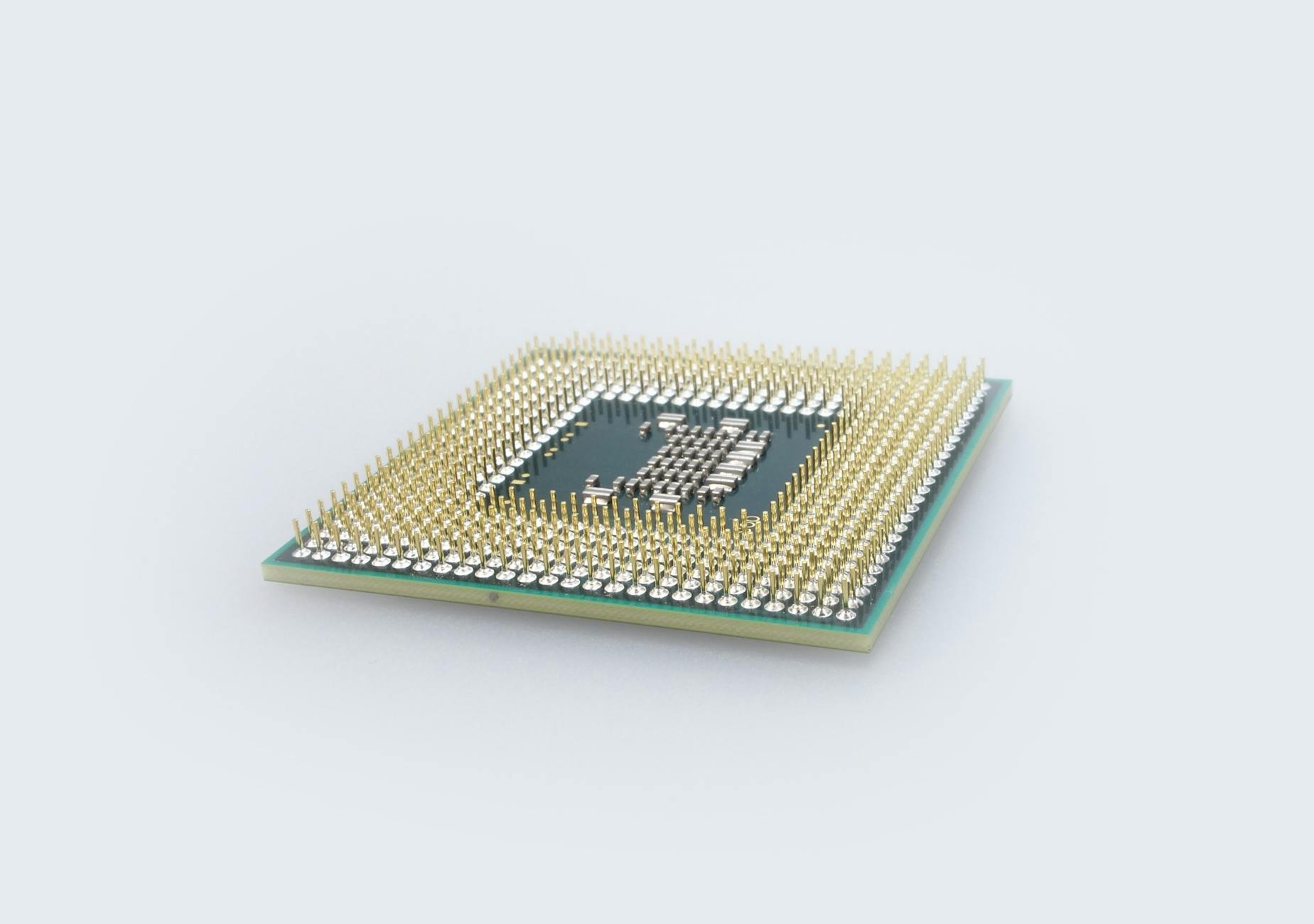
Nvidia officially entered the consumer PC chip market on June 1, 2026, announcing the RTX Spark, a family of Arm-based systems-on-chip (SoC) designed for laptops and mini-PCs. The move represents a significant shift for Nvidia, which is transitioning from a dedicated graphics card manufacturer to a primary computing processor provider, competing directly with incumbents like Intel, AMD, Apple, and Qualcomm.
Nvidia senior director of product management Mark Aevermann described the RTX Spark as “the most efficient PC chip ever built” during a pre-Computex briefing. While the company did not provide specific benchmark charts to support this claim, the flagship hardware—codenamed N1X—includes 20 Grace CPU cores, 6,144 Blackwell GPU cores, and up to 128GB of unified LPDDR5X memory. Nvidia plans to scale the family over time to include configurations with as little as 16GB of RAM to target various price points.
Microsoft is supporting the platform’s debut with the 15-inch Surface Laptop Ultra. Surface boss Andrew Hill characterized the device as “the most powerful thing we’ve ever made,” noting it features a mini-LED touchscreen with 2,000 nits of peak HDR brightness and a large haptic trackpad. The laptop is designed to run Windows 11 via Microsoft’s Prism emulation layer, which allows legacy x86 software to function on the Arm-based architecture.
Beyond general computing, the RTX Spark is engineered to host 120-billion-parameter AI agents locally. Nvidia claims the chip can handle intensive tasks such as rendering 90GB 3D scenes, editing 12K video, or playing graphically demanding titles likeIndiana Jones and the Great Circleat 1440p resolution and 100fps, all within a 14mm thick chassis. Aevermann noted that for GPU-bound gaming workloads, users should expect performance “comparable or better than an RTX 5070,” though performance may fluctuate depending on the specific application and emulation overhead.
To ensure software compatibility, Nvidia is collaborating with developers to bring native Arm versions of games and apps to the platform. The company is specifically working with major anti-cheat vendors, including Easy Anti-Cheat, BattlEye, and Denuvo, to ensure competitive titles function out of the box. Aevermann emphasized that engagement from developers ranges from Prism-optimized updates to wholly native Arm ports.
During his GTC speech at Computex, Nvidia CEO Jensen Huang outlined a long-term roadmap for the RTX Spark platform extending to 2030. The company plans to release chips based on the Vera Rubin architecture in 2027 or 2028, followed by the Feynman architecture in 2030. Huang claimed that “100% of the world's PC industry has joined us to reinvent the PC,” with over 30 laptop models and ten desktop designs currently in development from partners including Asus, Dell, HP, Lenovo, and MSI.
This launch coincides with intensified competition in the high-core-count processor space, as Intel simultaneously unveiled its 288-core Clearwater Forest Xeon 6 processors. While Intel’s chips are primarily aimed at web-scale workloads and agentic AI, the simultaneous announcements underscore a broader industry pivot toward hardware capable of managing complex, autonomous AI tasks.