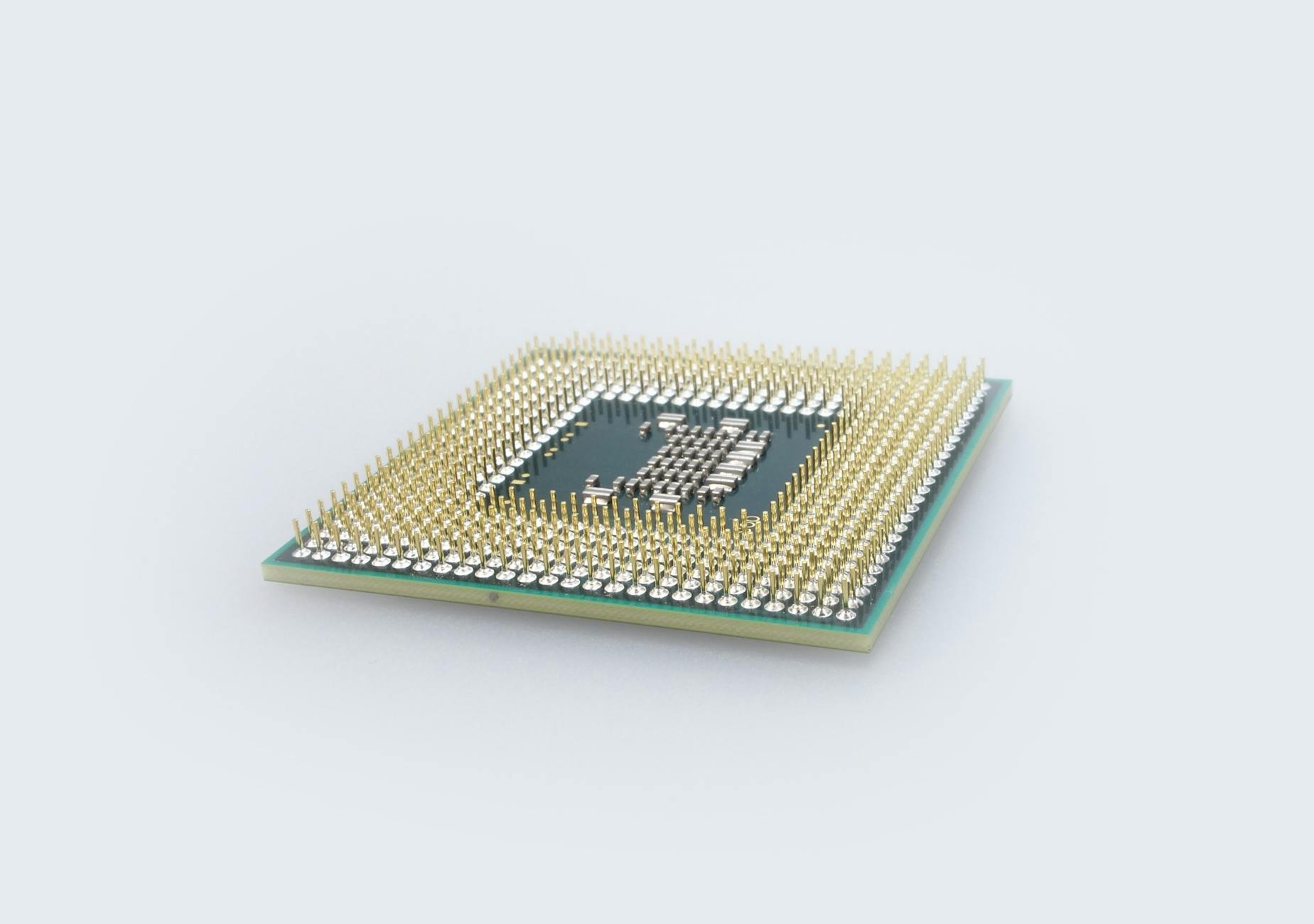
Intel utilized the Computex 2026 conference in Taipei to unveil its upcoming Diamond Rapids Xeon processors, which will feature 192 cores. According to The Register, this represents a 50 percent increase in core count over the previous generation, though the chips are not expected to reach the market until 2027.
This architectural leap coincides with the official abandonment of Simultaneous Multithreading (SMT), known as Hyperthreading, within the Xeon lineup. Intel first introduced SMT in 2002 to boost utilization by allowing two threads to access idle execution units during a single cycle. While SMT has historically provided double-digit percentage gains in specific applications, Intel is now removing it from its server-grade silicon after previously phasing it out of its consumer product lines.
Despite the removal of SMT in Diamond Rapids, Intel appears to be reconsidering its long-term strategy. The Register reports that the subsequent generation, codenamed Coral Rapids, is already slated to reintroduce SMT support. Intel faces significant competition in the space, as AMD’s 256-core Venice Epyc processors are projected to arrive up to a year ahead of Diamond Rapids.
Intel also provided a technical look at the construction of its new server chips. The company is adopting a modular chiplet architecture that utilizes multiple I/O dies and vertically stacked compute assemblies joined via Foveros packaging, a design approach that draws comparisons to AMD’s Epyc hardware.
In the gaming sector, Intel is pivoting toward predictive AI extrapolation to address latency issues inherent in current frame generation. Tom Petersen, speaking to PC Gamer in Taipei, explained that traditional interpolation methods require waiting for a second frame, which introduces approximately eight milliseconds of latency when using XeSS MFG.
'Latency is primarily derived from the time it takes to get the second frame,' Petersen stated. 'We’re using AI to predict where we think you’re going to be' instead of waiting for the subsequent frame to arrive. Petersen identified this shift as a critical development for handheld gaming PCs, where controller-induced lag makes the eight-millisecond penalty of current frame generation particularly noticeable to users.
While Intel’s G3 family of handheld processors is currently delivering performance and battery life improvements using x86 architecture, Petersen noted that reducing this latency is essential for the future of the platform. He described the transition to extrapolation as 'definitely the technology that will change the experience' for handheld gaming.