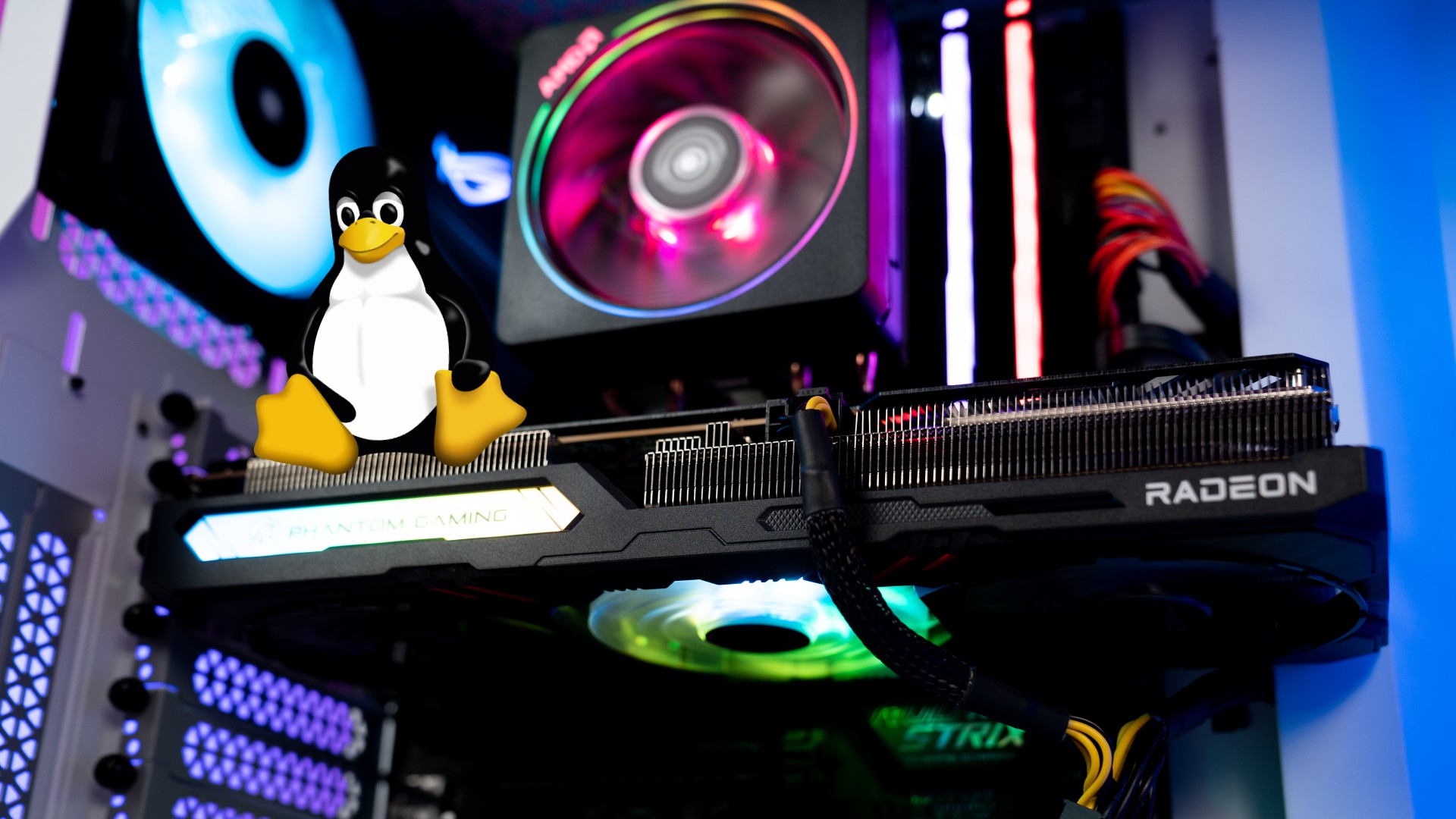
A Valve developer has introduced a technical fix to improve the performance of games running on Linux systems equipped with 8GB graphics cards. The update addresses critical memory management issues that previously hindered stability for users on mid-range hardware.
The modification targets how Linux handles VRAM allocation, specifically aiming to prevent the crashes and stuttering common in memory-intensive titles. According to PC Gamer, the developer's solution provides a simpler method for managing these resources.
Optimizing VRAM allocation
The 8GB VRAM threshold represents a significant portion of the current PC gaming market. Many players utilize mid-range GPUs that struggle when modern titles demand more than the available memory. This hardware segment serves as the backbone for much of the enthusiast gaming community.
Previously, Linux users often faced higher-than-expected memory overhead when using compatibility layers like Proton. This overhead could push 8GB cards past their limit, leading to significant performance degradation or application failure.
The new fix streamlines the way the system communicates with the hardware. By reducing the complexity of memory requests, the developer has made it easier for the operating system to maintain stable frame rates. This change directly impacts how much data can be processed before the system hits a bottleneck.
This update specifically benefits users of Linux-based distributions such as SteamOS. As Valve continues to expand the compatibility of the Steam Deck and desktop Linux, these low-level optimizations become vital for maintaining a consistent user experience.
The implementation of this fix helps bridge the performance gap between Linux and Windows environments. It specifically benefits players using compatibility layers to run Windows-based software on Linux-based distributions.
The fix does not necessarily increase the total amount of available VRAM. Instead, it changes the efficiency of how that memory is utilized during active gameplay. This reduction in wasted space allows more of the 8GB capacity to be dedicated to textures and shaders.
As game developers continue to push the boundaries of graphical fidelity, the efficiency of memory management becomes a primary concern. This update addresses the specific limitations of 8GB architectures to help preserve the longevity of mid-range components.