Jensen Huang: Critics Are Completely Wrong About DLSS 5
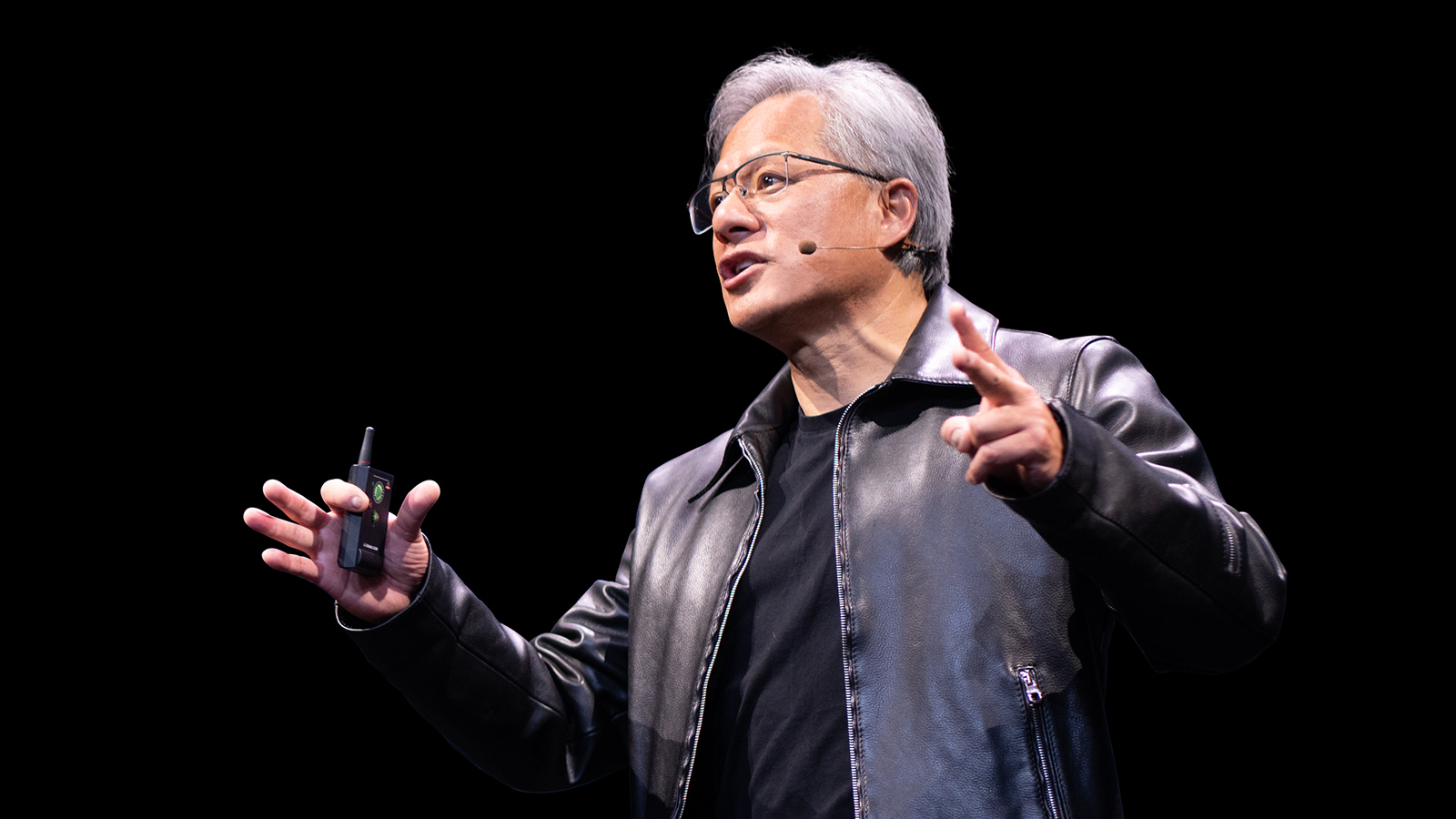
During a media Q&A session at the recent GTC conference, NVIDIA CEO Jensen Huang gave a firm response to the various criticisms surrounding DLSS 5 technology. Addressing concerns about whether DLSS 5 might overly interfere with game image quality, Huang stated bluntly: "First of all, these critics are completely wrong."
Huang explained that DLSS 5 is not a simple frame-level post-processing technology. He emphasized that the technology deeply integrates core game elements such as geometry and textures with generative AI, achieving "generative control at the geometric level." He defined it as "Neural Rendering" and pointed out that this is fundamentally different from the uncontrollable generative AI perceived by the general public.
Developers Retain Final Control
To dispel concerns about AI "taking over" game performance, Huang further elaborated on the role of developers. He stated that DLSS 5 provides developers with a high degree of freedom. Whether they want to achieve a unique "cel-shaded" style or give objects a "glass-like texture," developers can fine-tune the generative AI according to their specific needs.
This position has received support from game developers. In response to an analysis by DigitalFoundry, Bethesda stated that the effects currently shown are only early previews, and the art team will subsequently make fine-tuned adjustments to lighting and final effects based on the specific style of each game. Bethesda clearly emphasized that all visual presentations are under the direct control of artists and that these features are completely optional for players.
Internal Industry Concerns: Are Developers Being Kept in the Dark?
Although NVIDIA is vigorously promoting the potential of DLSS 5, a report byInsider Gamingindicates that the release of the technology has caused some ripples within the developer community. Multiple developers from partner studios such as Ubisoft and CAPCOM revealed that they only learned about the technology when NVIDIA officially announced it to the public.
This "simultaneous notification" pace has caught some developers off guard. Especially for CAPCOM, which has historically maintained a cautious attitude toward AI applications, being included on the DLSS 5 partner list appeared particularly abrupt. Insiders worry that this move by NVIDIA could trigger a re-evaluation of generative AI strategy within the company, and might even alter the company's previously resistant stance on AI technology.
Conclusion
The advent of DLSS 5 undoubtedly pushes graphics rendering technology to a new height, but the accompanying issues of technical transparency and industry consensus have become challenges that NVIDIA must face. As the technology is implemented in more major titles, how developers balance the convenience of AI with the autonomy of artistic creation will be the focus of the industry moving forward.