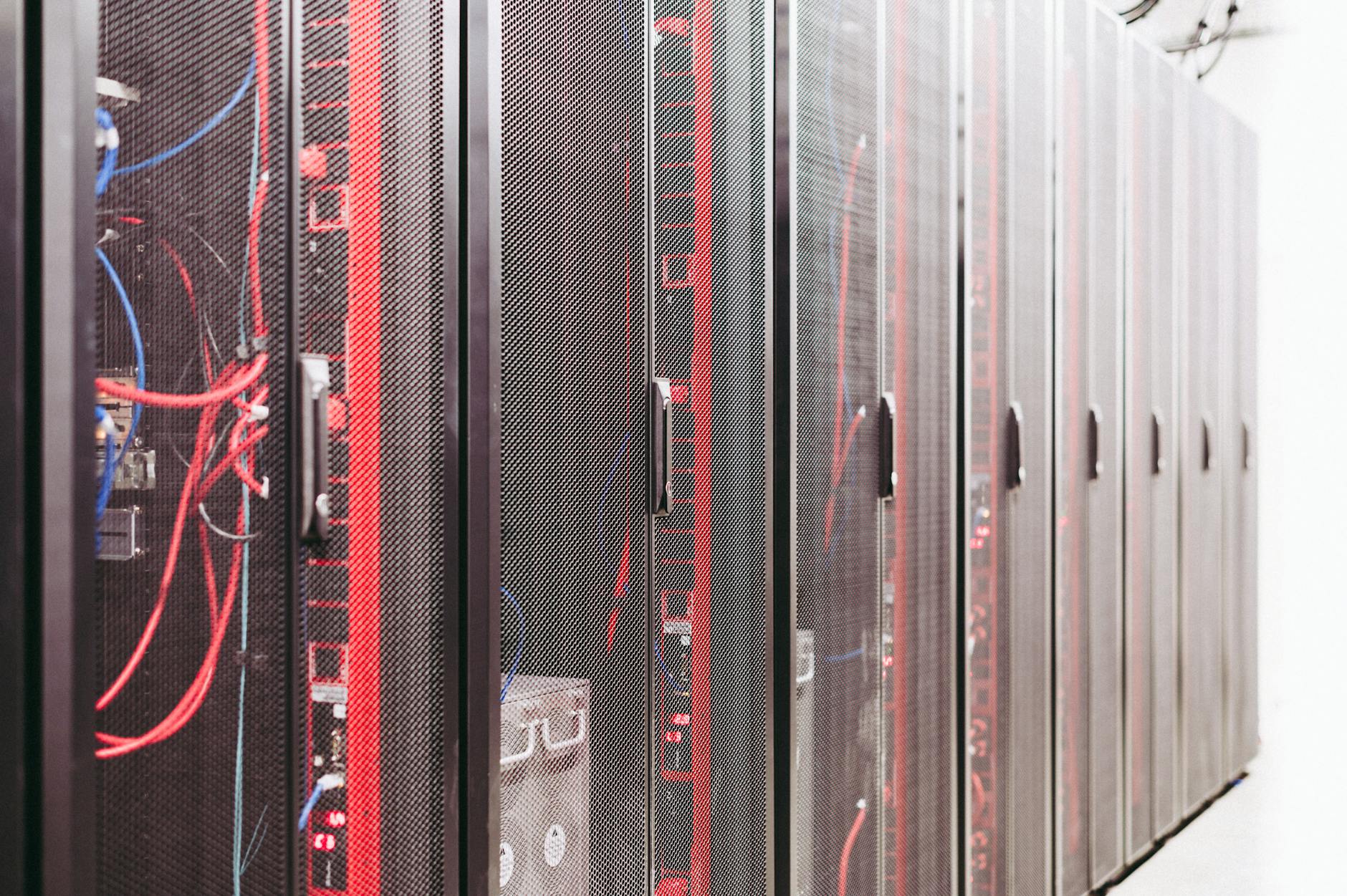
Residents residing near large-scale artificial intelligence data centers are increasingly reporting persistent physical distress linked to low-frequency noise emissions. According to a May 10, 2026, report from Tom's Hardware, these communities are struggling to secure relief because the disturbances, categorized as infrasound, frequently fall below the detection threshold of standard decibel meters.
While traditional environmental monitoring equipment is designed to measure audible sound levels, the vibrations generated by massive server fan arrays and industrial cooling systems operate at frequencies that are physically felt rather than heard. Affected citizens report a consistent range of health symptoms, including nausea, headaches, and significant sleep disturbances, even when local noise levels remain within established regulatory limits.
The technical requirements of modern AI infrastructure necessitate constant, high-intensity cooling to prevent massive GPU clusters from overheating during the processing of large language models. As these facilities expand to meet global AI demand, the physical footprint of their mechanical noise has become a point of contention for neighboring civilians.
Technical experts cited by Tom's Hardware note that infrasound is notoriously difficult to regulate because conventional environmental impact assessments prioritize audible decibels. Because the sound pressure levels of these low-frequency emissions do not register on standard calibrated devices, local authorities often lack the necessary legal framework to intervene or enforce existing noise ordinances.
This disconnect between human physiological experience and digital measurement has left many residents frustrated as they seek accountability. While the industry continues to scale up infrastructure to support AI adoption, the physical impact of these industrial-scale cooling solutions on nearby neighborhoods has emerged as a significant concern for both urban planners and facility operators.