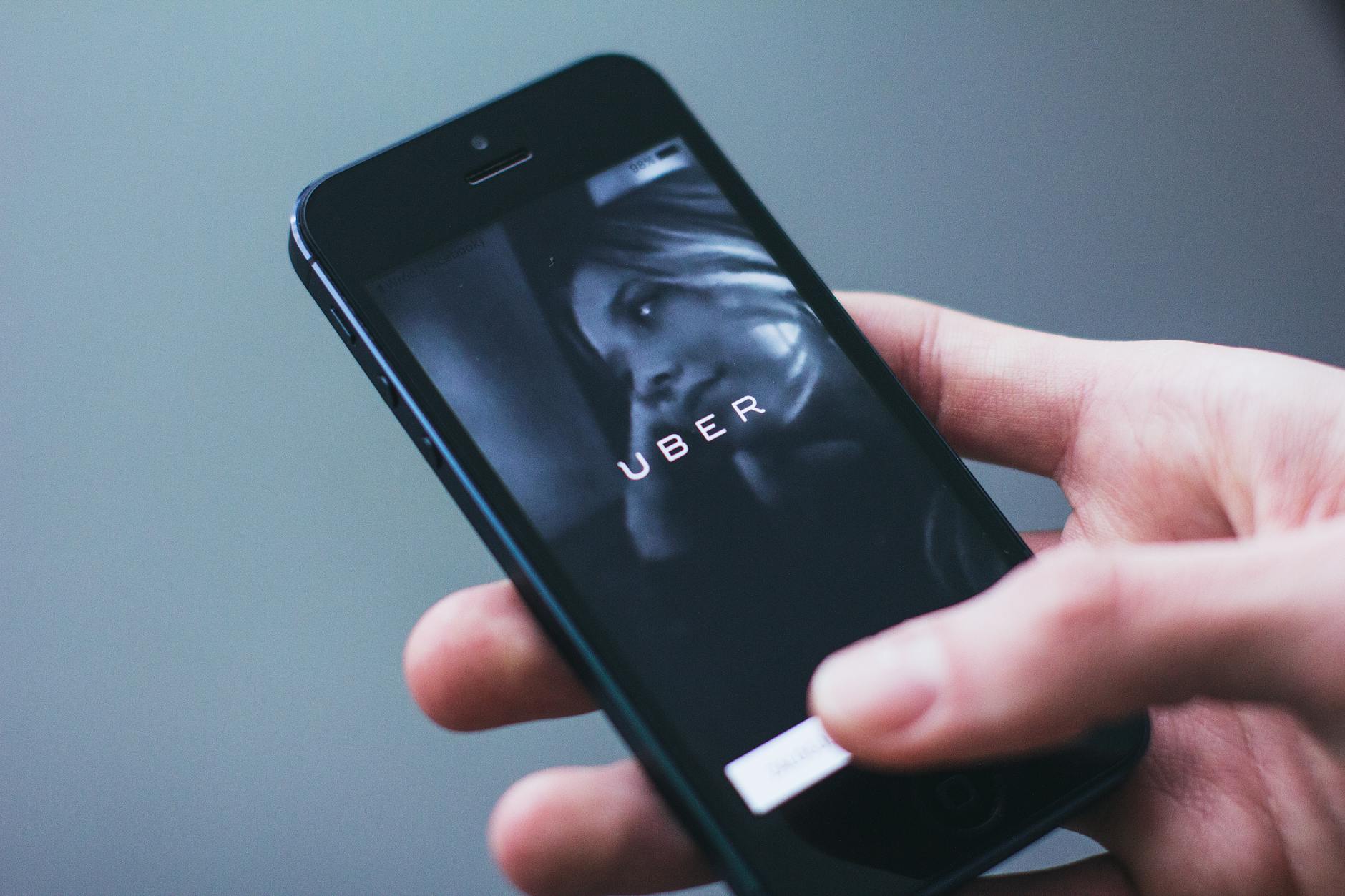
Uber has officially expanded its platform into the travel sector, allowing U.S. customers to book hotels directly through the app via a new partnership with Expedia Group. The move, announced at the company’s annual GO-GET event in New York, provides access to over 700,000 properties worldwide. Uber plans to further expand this ecosystem by integrating vacation rentals through Vrbo and restaurant reservations via OpenTable later this year.
Beyond travel, the company has introduced a 'Shop for Me' feature, which allows users to place orders from retailers not currently partnered with the platform. This strategy relies heavily on the $9.99-per-month Uber One membership. Subscribers currently receive 20% off a rotating list of 10,000 hotels and earn 10% back in credits on bookings, a move designed to increase user retention by bundling transportation, food delivery, and travel.
Uber CTO Praveen Neppalli Naga explained the rationale behind this expansion during a recent StrictlyVC event in San Francisco. He noted that while previous attempts to create super apps in the U.S. failed by simply bolting services onto existing traffic, Uber is focused on building a cohesive user experience. 'I take Uber, go to the airport, take a flight, take another Uber, go to a hotel, go to a restaurant,' Naga said. 'There is a flow you can actually build into it.'
While the company has not yet introduced flight bookings—a service it previously experimented with in Europe—Naga indicated that the focus remains on perfecting the hotel integration first. The shift comes as Uber faces increasing pressure to differentiate itself, particularly as competitors like Waymo continue to gain ground in the autonomous vehicle space. By diversifying its offerings, Uber is attempting to embed itself into the daily routines of its 199 million monthly active users, ensuring that the app remains relevant beyond the initial ride request.
Uber is also positioning itself as a data provider, investor, and distribution platform within the autonomous vehicle industry. While these backend efforts are significant, the company is prioritizing the consumer-facing super-app bet to maintain its market position. The urgency of this pivot reflects a broader need for the company to secure its footprint as a lifestyle utility rather than just a ride-hailing service.