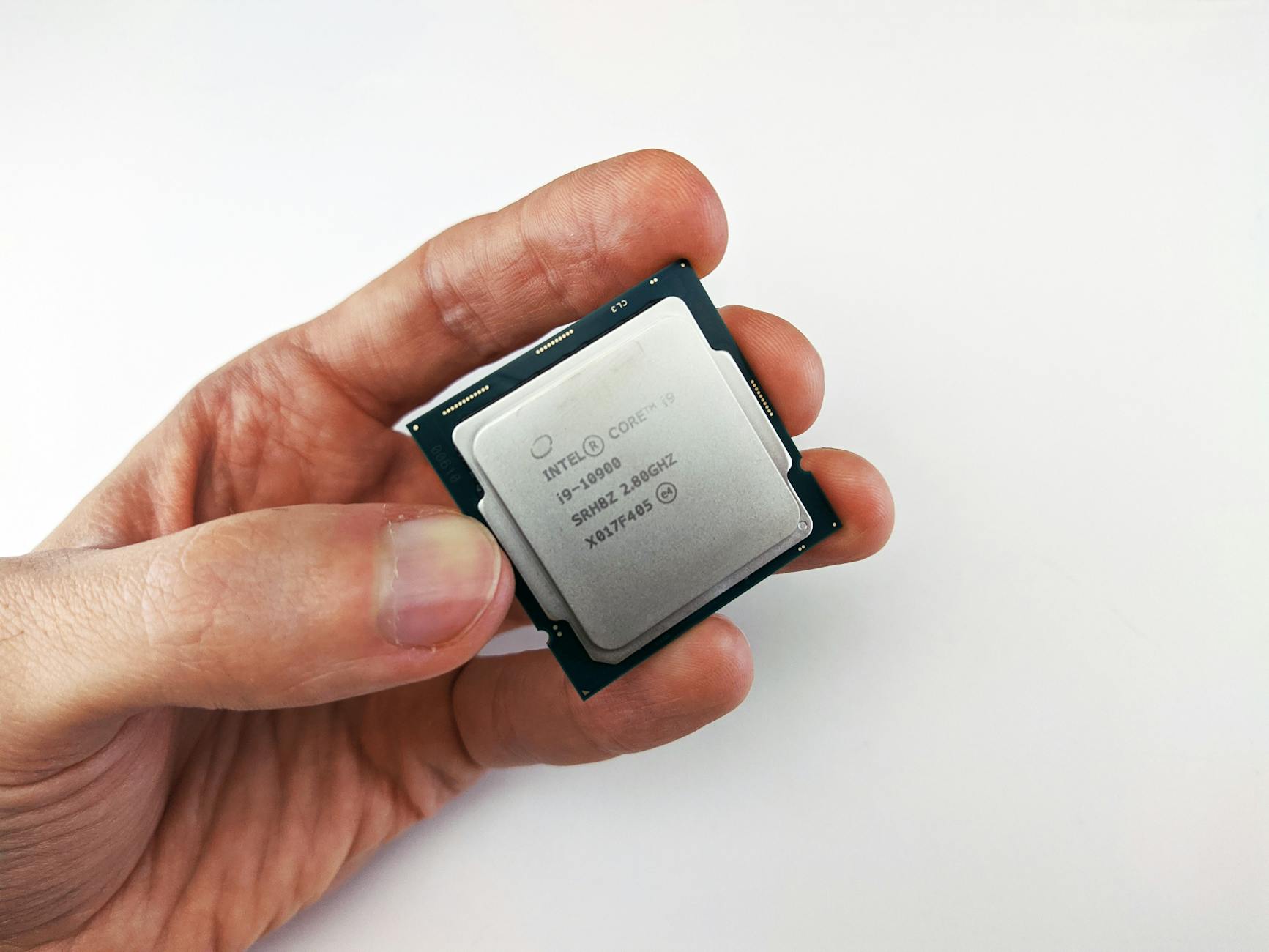
Intel's next-generation processor architecture, Nova Lake, has become a hot topic in hardware circles. According to recent supply chain rumors cited by PC Gamer, the chip series shows the potential to outperform its rival in Instructions Per Clock (IPC), with the prospect of exceeding the performance metrics of AMD’s upcoming Zen 6 architecture.
Architectural Upgrades and Performance Expectations
Industry analysts note that Nova Lake will serve as a major iteration for Intel's desktop and mobile processors, with a design focus on boosting single-core efficiency. Sources claim that beyond IPC breakthroughs, Intel is also considering a significant increase in total core counts to meet the growing market demand for multi-threaded workloads.
Beyond standard computational gains, the integrated graphics configuration of Nova Lake has also drawn significant attention. Rumors indicate that Intel plans to equip these processors with exceptionally powerful integrated graphics units (iGPUs). If true, this would further blur the performance gap between discrete and integrated graphics, potentially having a profound impact on the thin-and-light laptop and office equipment markets.
Currently, AMD’s Zen 6 architecture is also in the thick of development. While neither giant has officially disclosed detailed technical specifications, current industry trends suggest that the competition between the two in advanced manufacturing processes and architectural fine-tuning has reached a fever pitch.
Intel has not issued an official comment regarding these rumors. For consumers, the actual performance of Nova Lake remains to be seen until the official architecture launch event. Given the complexity of semiconductor R&D cycles, these early performance projections are often subject to dynamic adjustments as engineering samples undergo testing.