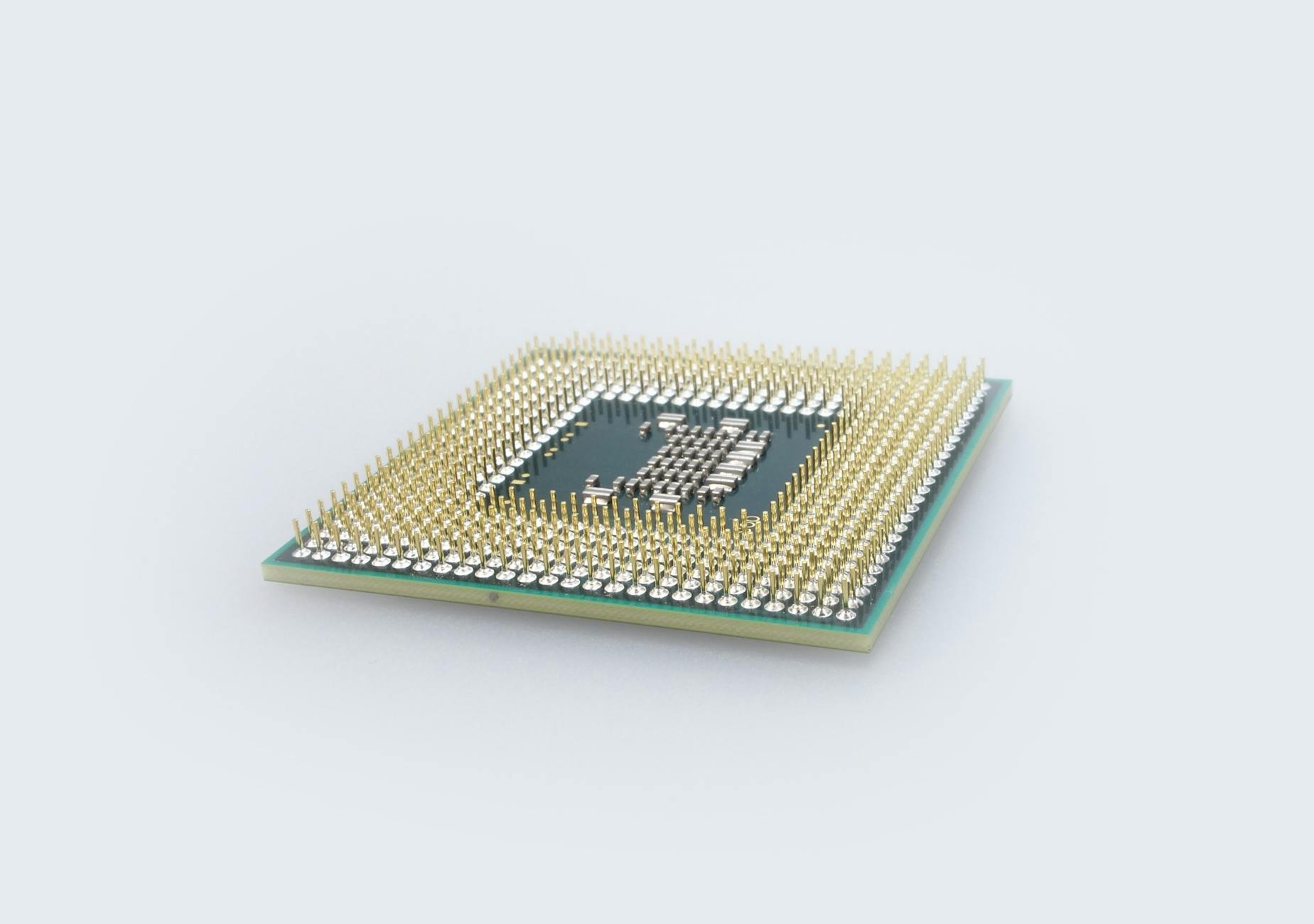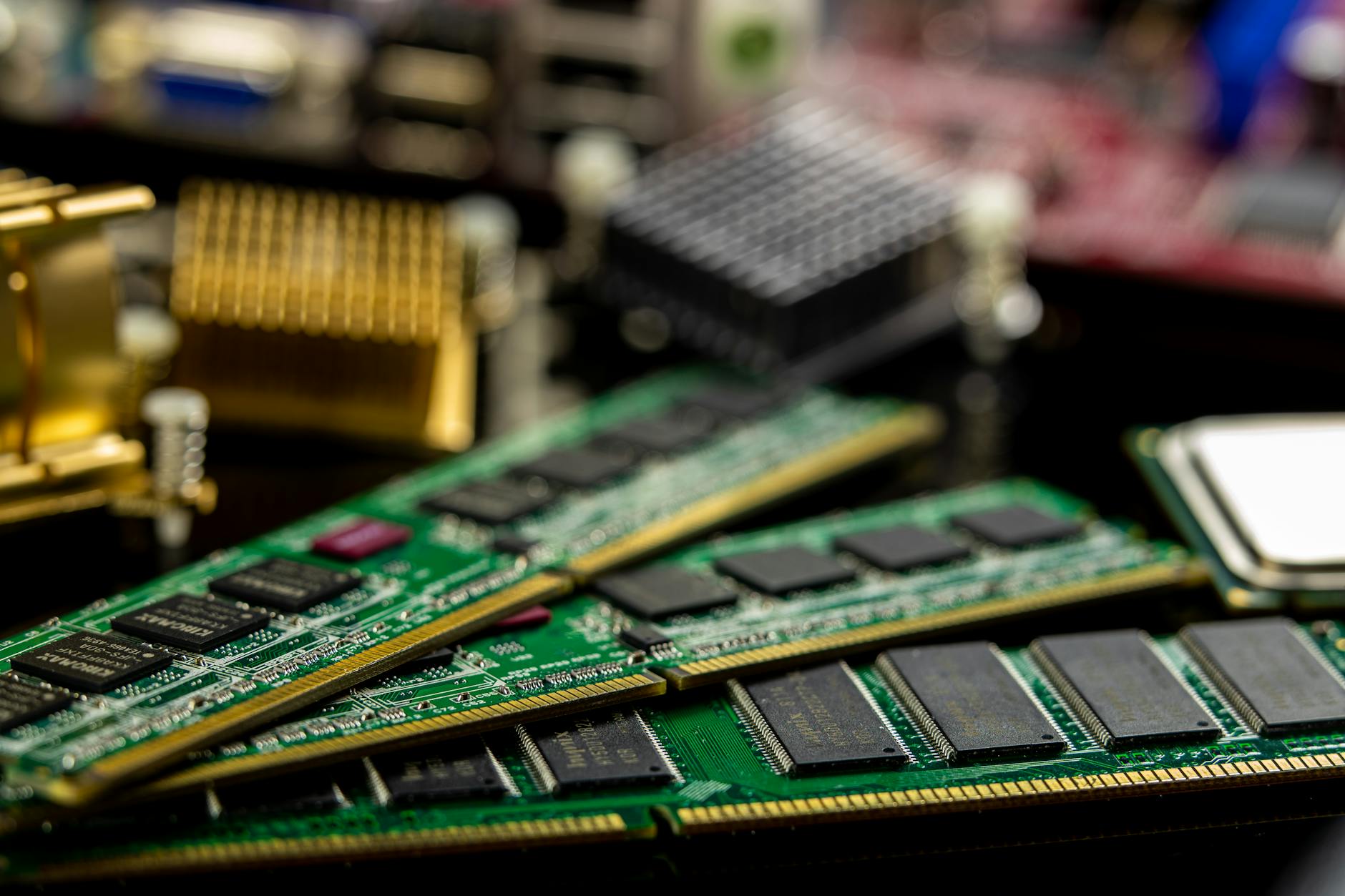
Notebook and desktop computer prices in Europe have surged by more than 10 percent this year, driven by a persistent crunch in the supply of DRAM and NAND memory. According to reporting by The Register, manufacturers are increasingly diverting their production capacity toward high-bandwidth memory chips required for the booming artificial intelligence server market.
Data from analyst firm Context shows that average notebook prices in Europe climbed 11.4 percent year-on-year during the first six weeks of the second quarter. Desktop prices followed a similar trajectory, rising 10.5 percent. This price hike persists even as unit sales have slumped, with laptop volume falling 3 percent and desktop volume dropping 7 percent.
"After a strong first quarter where unit and revenue growth was fueled by channel stocking ahead of anticipated price hikes, the dynamic shifted sharply at the start of Q2," said Marie-Christine Pygott, a senior analyst at Context. She noted that while unit volumes have declined following a period of intense inventory building, revenues continue to climb due to higher price tags and a strategic shift toward premium devices.
AI demand reshapes global supply chains
The memory shortage has been building for 12 months, with costs for critical components quadrupling in that timeframe. As semiconductor makers chase the higher margins offered by AI infrastructure, PC manufacturers are attempting to protect their bottom lines by focusing on high-end hardware.
Dell Chief Operating Officer Jeff Clarke noted that the corporation is dedicating significant resources to navigating the current supply environment. "If you look at what is happening in the semiconductor network, you are seeing utilization of the trailing nodes beginning to fill at greater rates, leading edge nodes stuff is fully allocated," Clarke said. "Lead times are a year. So all of those are pressured, but the most pressure comes across the four that I described in the first three primarily. DRAM, NAND, CPUs, then hard drives, and then ultimately the basket of goods that sit around that."
Major vendors are reporting success in mitigating these input costs through aggressive product management. HP CEO Bruce Broussard explained during an earnings call that the company has leaned into component reconfiguration to keep margins stable. "We took deliberate actions to lower our memory cost by accelerating product reconfiguration and qualifying lower-cost components," Broussard stated. "We optimized the use of lower-cost inventory on hand while shaping demand to higher-margin units."
The market outlook suggests these pressures will remain for the rest of the year and into 2027 as datacenters continue their rapid expansion. Analysts have previously warned that sub-$500 laptops may largely disappear from the market in 2026 as manufacturers find it impossible to maintain entry-level price points under current supply constraints.