Microsoft has quietly raised the entry-level pricing for its newest Surface laptop lineup, reflecting a shift in the company's hardware strategy. Customers looking to purchase the latest devices must now pay a higher premium for the base models compared to previous iterations.
The price adjustments follow Microsoft’s aggressive push into artificial intelligence. The new hardware requires specific neural processing units (NPUs) and expanded memory configurations to support the company’s "Copilot+" AI features.
The cost of AI integration
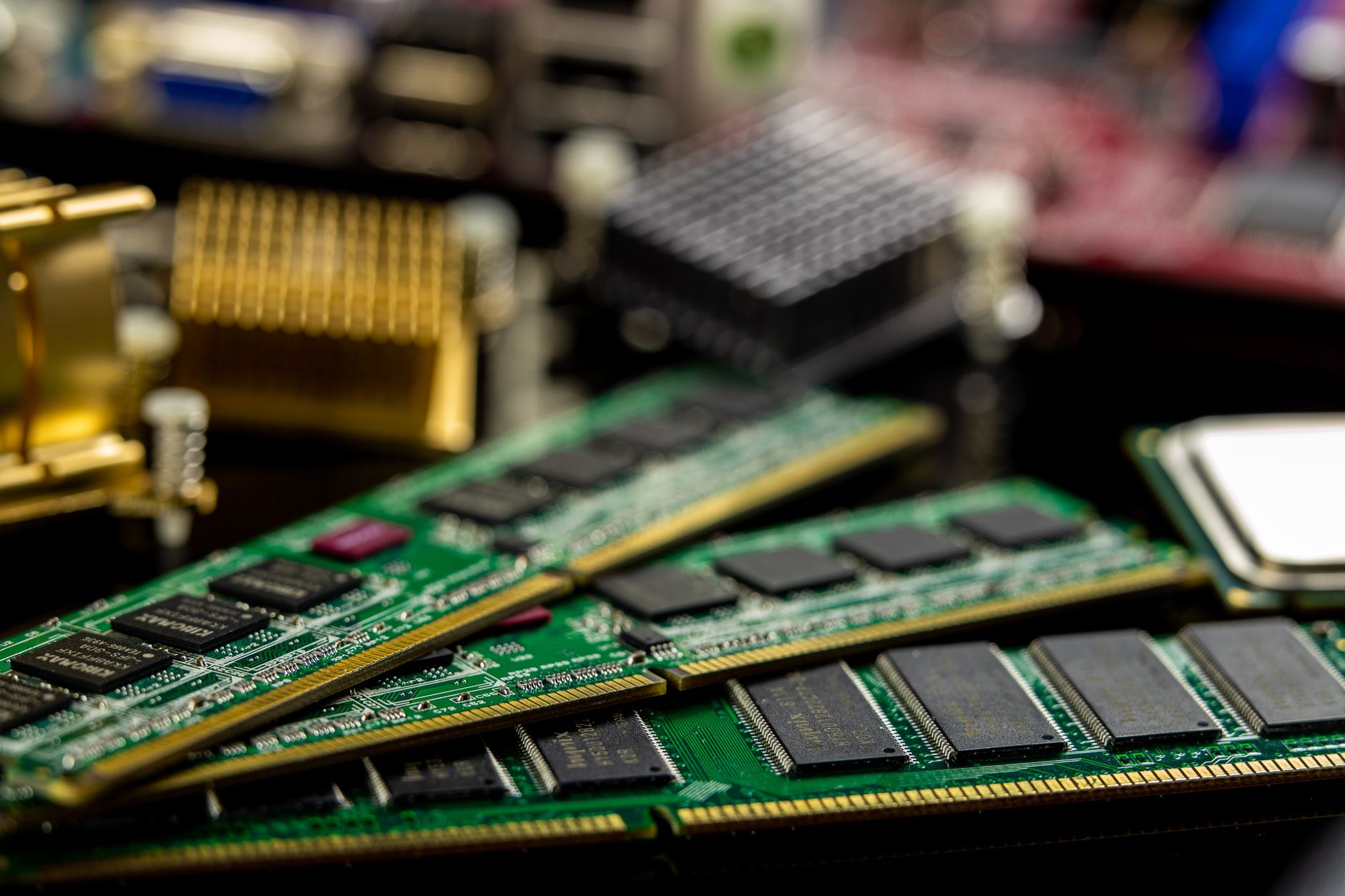
Industry analysts note that these technical requirements have effectively eliminated the lower-cost configurations that previously served as the entry point for the Surface brand. Because the Copilot+ standards dictate a minimum of 16GB of RAM and significant onboard storage, the manufacturing costs have climbed.
"The hardware requirements for these new AI experiences are forcing a higher floor for the entire product stack," said one industry observer. "Consumers can no longer opt for cheaper, lower-spec versions because they simply cannot run the software features Microsoft is marketing as core to the experience."
By bundling these AI-ready components into every unit, Microsoft is ensuring that its software ecosystem remains consistent across its premium hardware. However, this move restricts user choice for those who do not prioritize AI tools or advanced local processing power.
Retail listings confirm that the base price for the latest 13-inch and 15-inch Surface laptops has shifted upward by several hundred dollars. This marks a departure from the company's historical strategy of offering a wider range of price points for its flagship portables.
Microsoft has not issued a formal statement regarding the specific price hikes. Instead, the company points to the enhanced performance metrics of the new chips and the utility of its integrated AI service.
For budget-conscious buyers, this leaves fewer options within the official Microsoft ecosystem. The company appears to be betting that the added value of its AI suite will justify the higher price tag for the average professional user.
Whether the market will accept this new pricing model remains a point of concern for retail partners. Early sales figures will likely determine if the premium hardware strategy pays off or if customers seek alternatives from manufacturers that still offer non-AI-focused, lower-cost configurations.