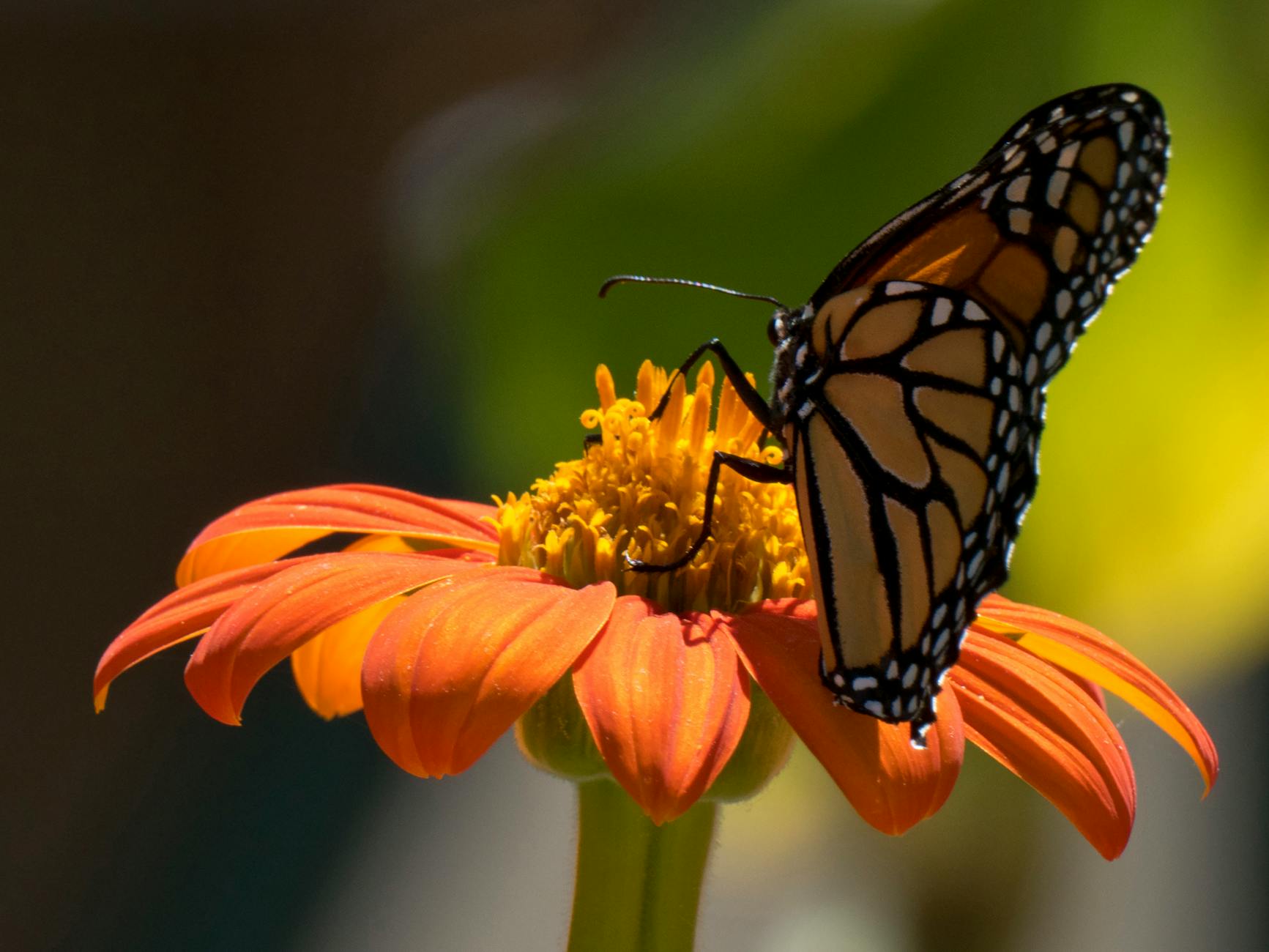
Researchers and conservationists are witnessing a dramatic decline in North American butterfly populations, specifically within the Western monarch group along the California coast, according to a report from Smithsonian Magazine.
In Pacific Grove, California, volunteers from the Pacific Grove Museum of Natural History conduct weekly counts to track the movement of these insects. While some years have seen thousands of monarchs clustered in single trees, recent counts have shown much smaller numbers, such as a recent tally of only 99 butterflies.
The decline took a visible, tragic turn in early 2024. Natalie Johnston, the interpretive programs manager at the museum, described finding hundreds of monarchs in distress near the sanctuary.
“‘Oh my God, there are so many grounders,’” Johnston said, recalling the sight of roughly 200 dead or dying monarchs.
She noted the insects were in dense piles, “spasming, their abdomens curled.” Johnston described the event as one of the worst experiences of her life, noting that the deaths occurred in a location intended to be a safe haven.
Pesticide exposure linked to mass die-offs
A toxicology report published a year after the event confirmed the presence of toxins in the insects. The study found a cocktail of pesticides in the bodies of the dead monarchs, including chemicals commonly used in residential sprays, as reported by Smithsonian Magazine.
These chemical exposures, alongside habitat loss and climate change, are primary drivers of the population drop. The Western monarch population is distinct from its eastern counterpart; while eastern monarchs migrate to Mexico, western populations rely on sites like the California coast for winter survival.
Despite the recent mass die-offs, researchers are attempting to use new technology to mitigate the damage. In December 2025, scientists placed ultralight radio tags on monarchs at Lighthouse Field State Beach to track movements and identify priority conservation areas.