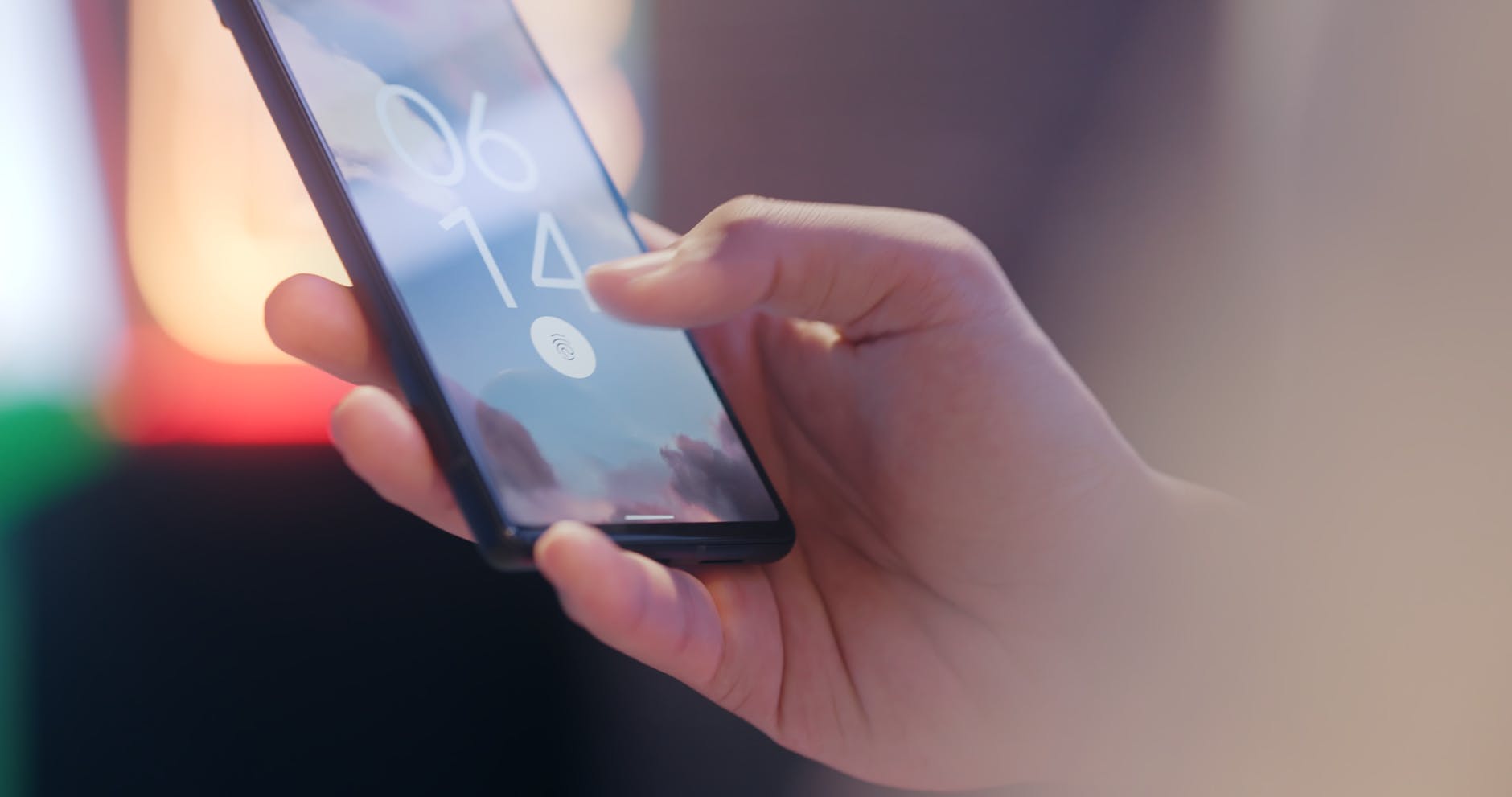
Legal experts are advising smartphone users to avoid biometric unlocking methods to protect against warrantless searches by US authorities, according to a report by ZDNET.
As law enforcement agencies become more aggressive with detentions and device seizures, the legal distinction between passcodes and biometrics remains a critical vulnerability for users. While a passcode may be protected under the right against self-incrimination, biometrics like fingerprints are often viewed by courts as 'non-testimonial' data.
Using a fingerprint or Face ID could allow authorities to access sensitive information without a warrant. The uncertainty surrounding how courts treat biometric data creates significant risk for those detained.
The risk of biometric data
Ignacio Alvarez, a managing partner at the ALGO law firm and former law enforcement executive with the Miami-Dade Sheriff's Office, noted that the legal landscape for biometrics is still unsettled.
"Biometrics are a more unsettled area of the law because [relatively speaking], devices are just starting to use biometrics," Alvarez told ZDNET.
Because biometrics are considered physical evidence rather than testimonial evidence, authorities may have more leeway to compel their use compared to a memorized alphanumeric code. ZDNET reported that while the legal protections for passcodes are clearer, the lack of a single, unified law governing phone inspections leaves many users exposed.
For those seeking to minimize the risk of unauthorized access during a police encounter, the recommendation remains to rely on strong, non-biometric passcodes. This approach leverages the Fifth Amendment protections against being forced to provide information that could be self-incriminating.