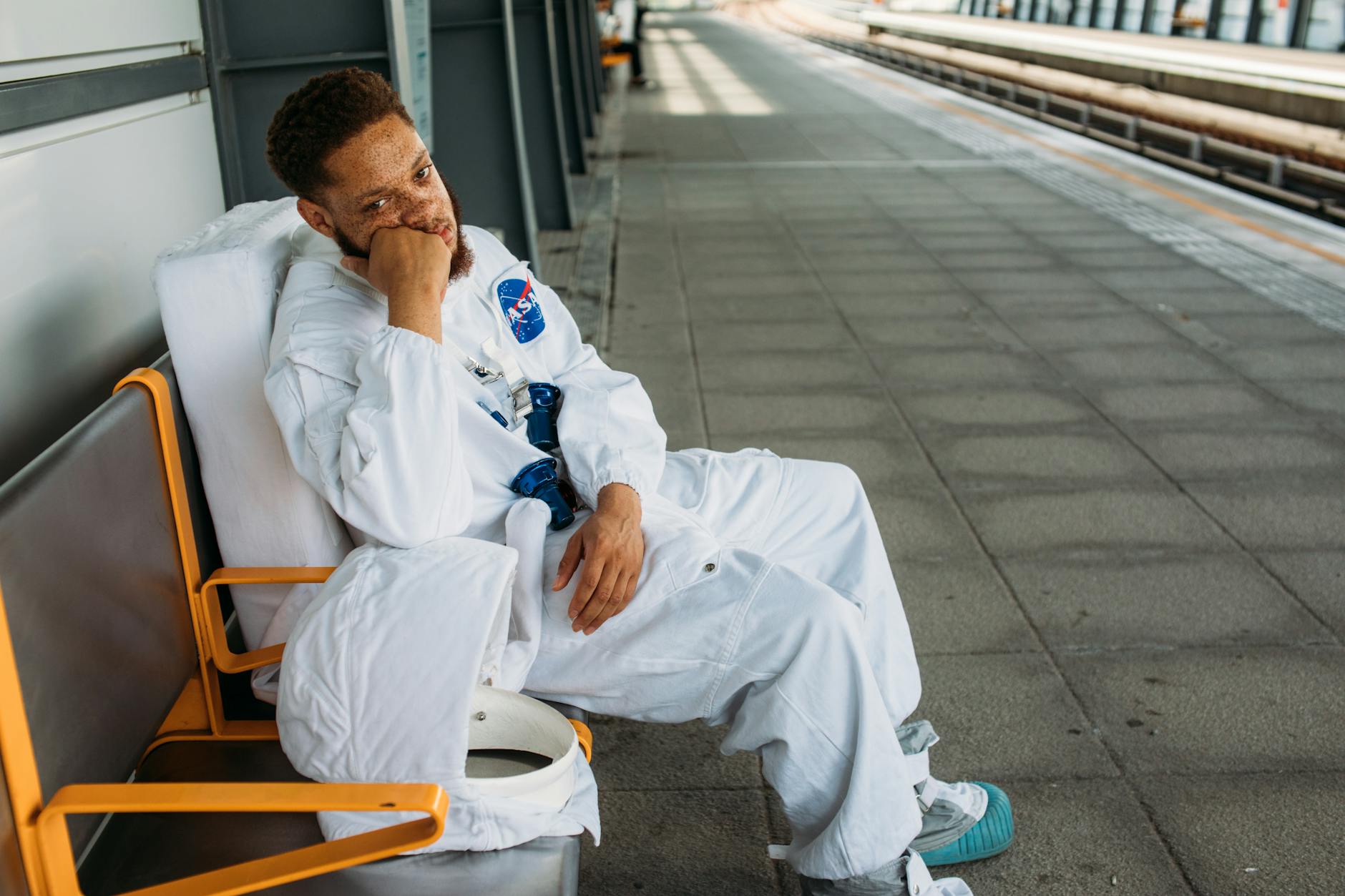
Space startup Vast has unveiled a custom two-piece astronaut flight suit and a certified Swiss wristwatch designed for its upcoming Haven-1 commercial space station. The announcement marks a departure from the casual attire often seen on the International Space Station (ISS) over the last 25 years, according to arstechnica.com.
The new gear is intended for use both on Earth and in orbit. The company's lead astronaut, Drew Feustel, a former NASA mission specialist who spent 225 days in space, helped design the outfit.
Feustel noted that the era of astronauts wearing daily flight suits has largely passed due to improved station safety. “Over the last two decades on the International Space Station, astronauts have moved away from wearing flight suits every day,” Feustel said in a statement. “The environment has become more like how we work on Earth.”
Honoring aviation tradition
Despite the shift toward casual clothing, the design of the Vast flight suit aims to maintain a link to aerospace heritage. Feustel stated that the company wanted to "honor the tradition and history of aviation in human spaceflight and flight suits themselves."
The move toward standardized gear has deep roots in the early days of the U. S. space program. According to arstechnica.com, the tradition of the flight suit began with the Mercury-era pilots who initially lacked uniform equipment.
Early astronauts often wore a mix of military garments. Mercury astronaut Gordon Cooper once recalled the lack of standardization during the program's inception. “When we were selected as astronauts in 1959, little effort was made to create a standard flying suit for us,” Cooper said.
He described how the crew scrounged for equipment from various branches of the armed services. The iconic dark blue NASA flight suit used in later years was actually a response to a specific piece of media. “Our classic photo in front of the F-106 jet shows how we had scrounged around to get flight equipment from the various armed services. The dark blue NASA flight suit was mainly a result of the publication of that one photograph,” Cooper said.