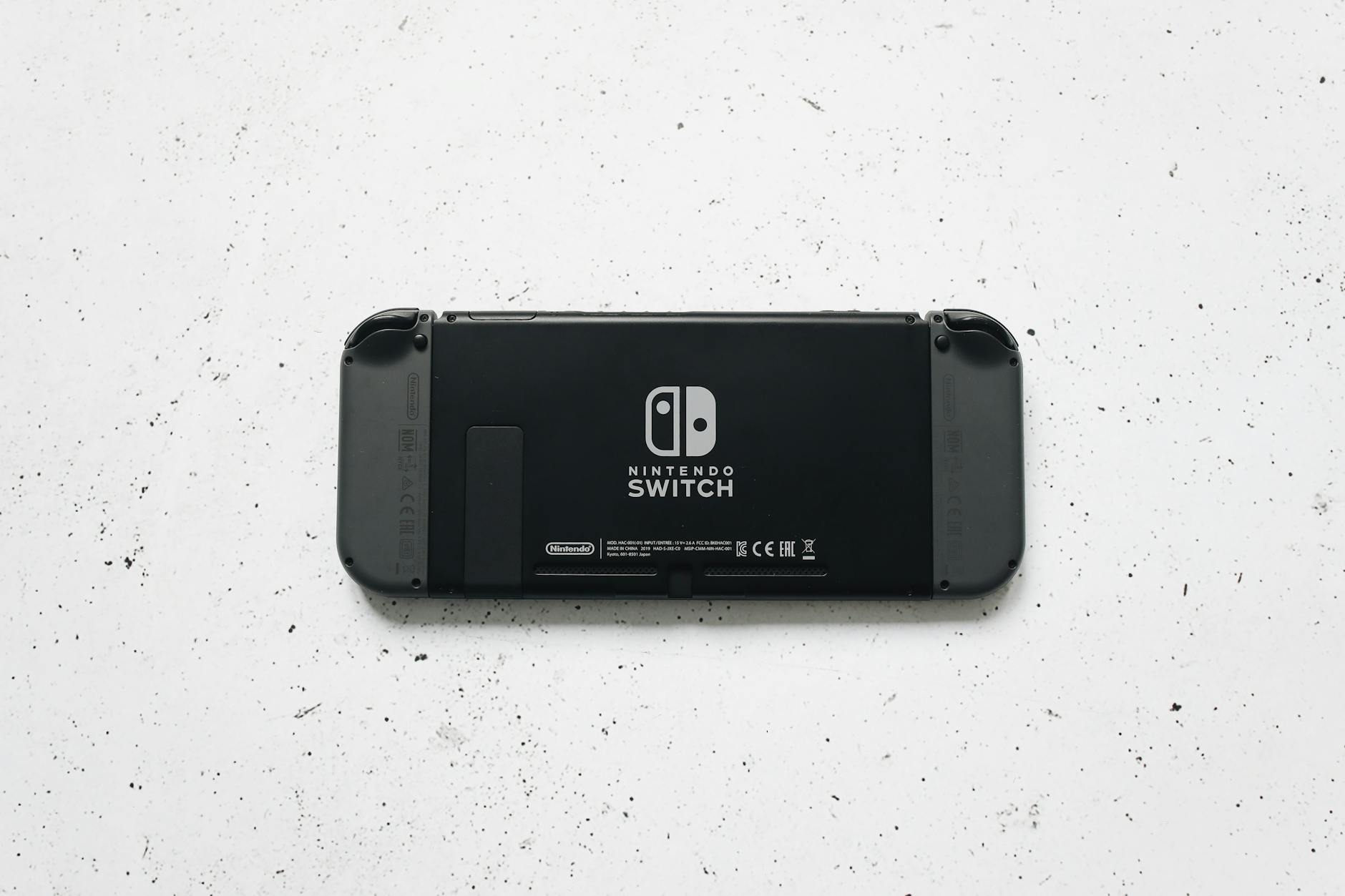
Nintendo has restricted the use of built-in sharing features for its new Nintendo Switch title, Tomodally Life: Living the Dream, to prevent players from broadcasting potentially offensive content.
The move comes as the game's robust creation tools allow players to generate highly unpredictable and often dark comedic scenarios. According to a report from theverge.com, the company is attempting to balance player expression with brand safety.
While the sequel offers more tools for creativity than its 3DS predecessor, it lacks the ability to natively upload captures to social media. The outlet reported that Nintendo's decision stems from the game's lack of filters for character names or dialogue.
Preventing out-of-context clips
Nintendo addressed the limitation on its support page, stating that the game's freedom can "sometimes lead to humorous, surprising, or unexpected moments during gameplay." The company added that it recognizes "out-of-context scenes may be misunderstood or may not reflect the spirit in which the game is intended to be enjoyed."
This lack of oversight allows players to create bizarre scenarios, such as cartoon characters discussing sensitive or violent topics. Theverge.com noted that the author's own child used the tools to create an island featuring characters discussing topics like human trafficking and historical figures like Hitler.
Despite the built-in restrictions, players are already finding workarounds. Users can bypass the ban by using capture cards or simply filming the Switch screen with a smartphone.
Industry observers suggest that platforms like TikTok will likely become flooded with these unauthorized clips. Theverge.com noted that the very players the game is designed for are the ones most likely to share these uncurated moments.
Tomodachi Life: Living the Dream is scheduled to launch on the Nintendo Switch on April 16th.