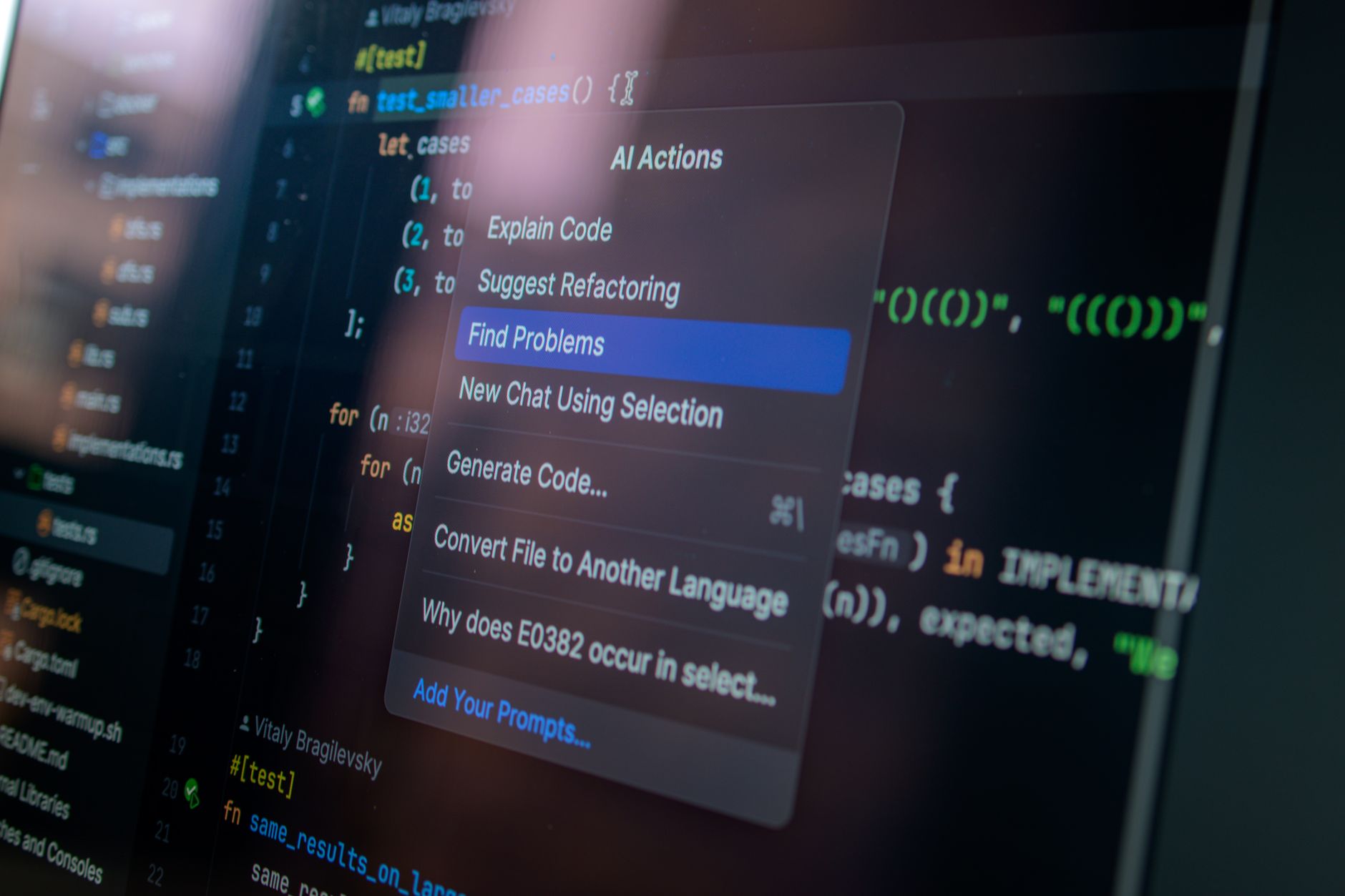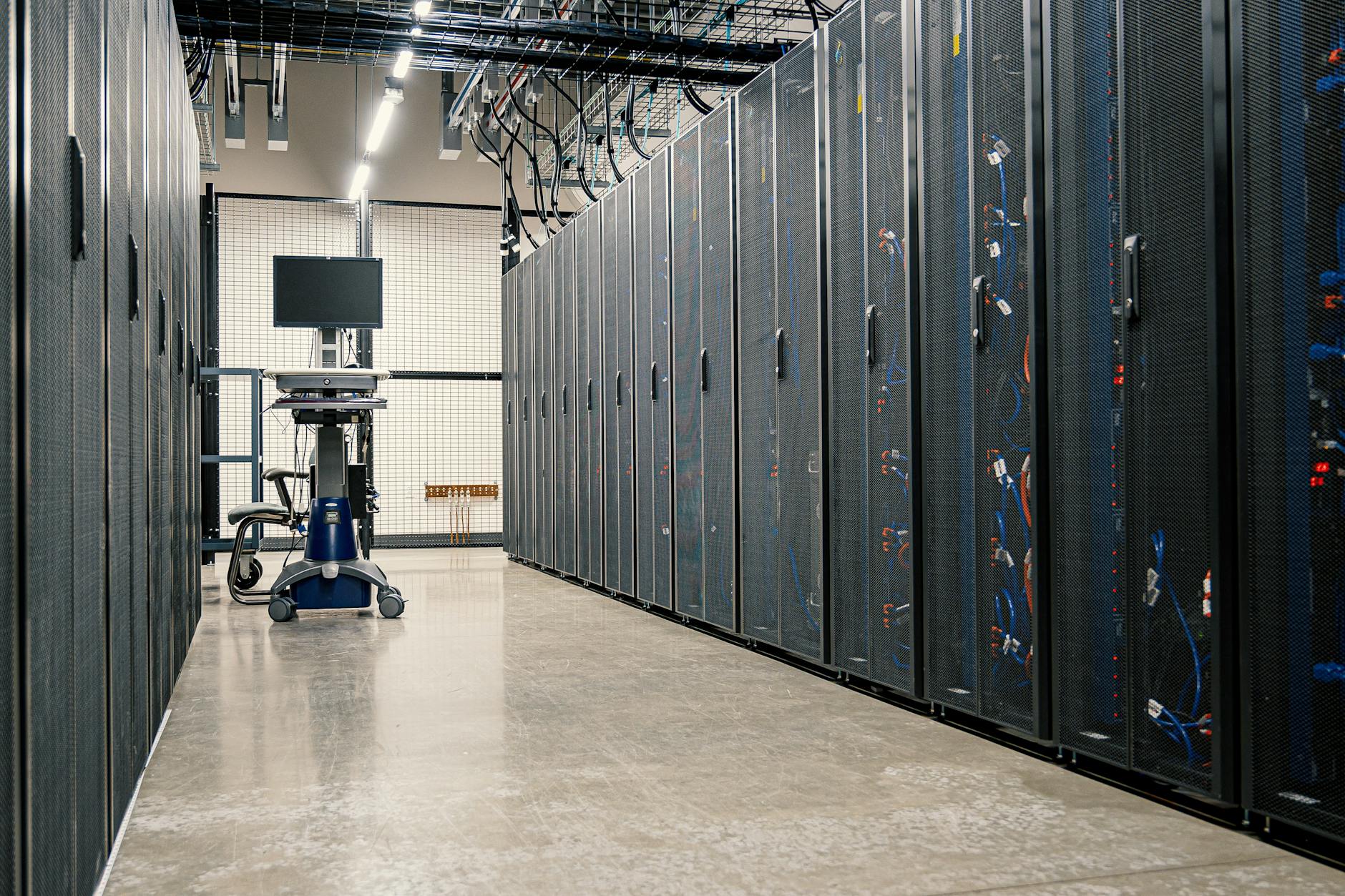
Google Cloud holds a unique structural advantage in the enterprise race for AI agents because it is the only provider combining cloud infrastructure, frontier models, and a data platform under one roof, according to reports from go.theregister.com.
Speaking at the Google Cloud Next conference, Andi Gutmans, who leads Google Cloud's data business, argued that competitors lack this specific vertical integration. He noted that while rivals like AWS and Azure possess infrastructure, they lack the necessary models, and while data providers have platforms, they must rely on others for compute and intelligence.
"We’re really the and the only provider that has the AI infrastructure, the model and the data platform," Gutmans told reporters during a briefing at the event, as reported by The Register.
Scaling from human to agent scale
Gutmans highlighted a shift in the industry from AI tools that respond to human prompts to autonomous agents that act on behalf of employees. This transition requires a more tightly integrated stack to manage the economic and technical pressures of running agents at scale.
"If you ask ‘How is this agentic data cloud really different because everyone is saying the same thing?’ The answer is we are uniquely positioned to integrate these things very tightly which is now more important than ever as you go from human scale to agent scale because you're going to have to bend the price-performance curve or it's going to be too expensive," Gutmans said.
Google has spent the last 18 months re-engineering its data platform to handle this shift. The company is focusing on the roughly 90 percent of enterprise data that remains unstructured and historically unused. To address this, Google introduced the Knowledge Catalog at the conference, designed to make unstructured data accessible to agents without manual engineering.
According to Gutmans, the arrival of the Gemini 2.5 model served as a technological tipping point. The increased reasoning capabilities of the new model forced Google to rebuild nearly every agent in its data portfolio, including those for conversation analytics, data science, and data engineering.
"We’ve completely re-engineered every single one of our agents in the last year," Gutmans said. "The models have gone so far. It's night and day."
This evolution allows enterprises to move away from costly, manual processes like building ontologies that previously required months of work from large teams. Google announced approximately 80 data-related products and updates during the week-long conference.