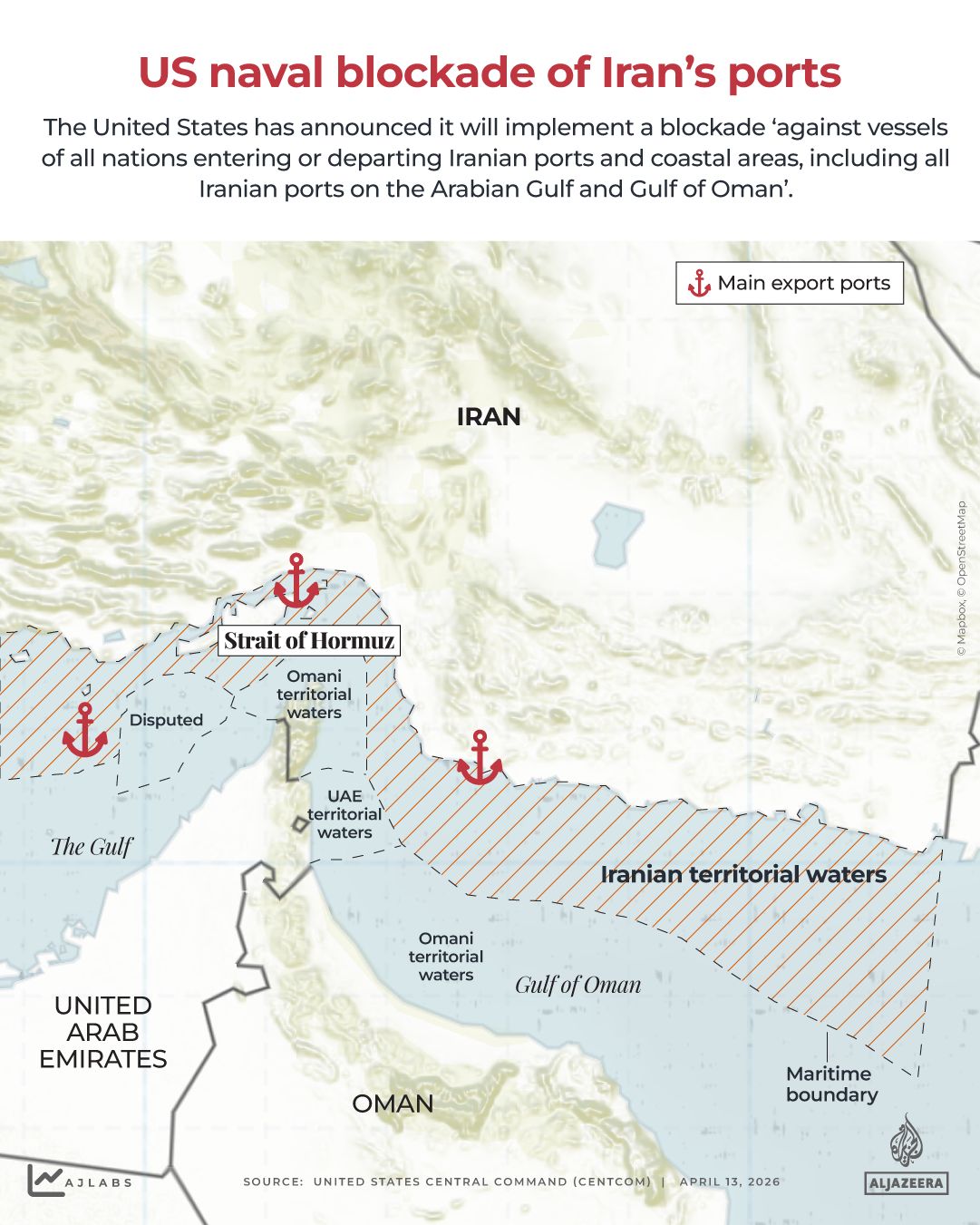
The Islamic Republic of Iran has repurposed a high-profile convict to manage a sophisticated cryptocurrency network designed to launder revenue from maritime tolls in the Strait of Hormuz, according to investigative reports.
Babak Morteza Zanjani, who previously embezzled billions from Iran’s national oil company and faced a death sentence, was released from prison in 2025 to architect the system. The network allows the Islamic Revolutionary Guard Corps (IRGC) to collect Bitcoin payments from supertankers in exchange for safe passage through mined corridors.
The laundering architecture
Ship operators pay a per-barrel fee in Bitcoin, which then enters IRGC-controlled wallets. The funds move through two distinct channels to obscure their origin.
The first channel utilizes Zedcex, a UK-registered exchange that processed $94 billion since August 2022. Data shows that at its peak, 87 percent of the exchange's volume on the Tron blockchain was linked to IRGC activity. The US Treasury's Office of Foreign Assets Control (OFAC) sanctioned both Zedcex and its sister entity, Zedxion, on January 30.
The second channel bypasses centralized exchanges entirely, utilizing over-the-counter (OTC) brokers in Dubai, Istanbul, and Hong Kong. Chainalysis documented that Chinese-language laundering networks processed $16.1 billion in 2025, often feeding into the Cambodian-based Huione platform.
Once the Bitcoin is converted to USDT on the Tron blockchain, the funds enter the China-run Cross-Border Interbank Payment System (CIPS) via Kunlun Bank. This allows the IRGC to convert the crypto into yuan to purchase food, medicine, and dual-use goods through front companies in Turkey and the UAE.
Documents analyzed by Elliptic suggest the Central Bank of Iran is actively participating in this network, having purchased over $500 million in USDT through these brokers. The IRGC’s on-chain activity exceeded $3 billion in 2025, accounting for more than half of Iran’s $7.8 billion cryptocurrency ecosystem.
These funds also support IRGC-aligned proxies, including Hezbollah, the Houthis, and Hamas. OFAC recently designated Houthi financier Sa’id al-Jamal for using these specific crypto rails to facilitate Russian weapons procurement.