Bitcoin maintained its position above $74,000 on Wednesday as a resurgence in global risk appetite helped major markets recover losses from the recent U.S.-Iran conflict.
According to coindesk.com, major Asian equity benchmarks, including China's CSI 3 and Singapore's indices, joined Taiwan in erasing declines tied to the late-February tensions. The S&P 500 is also approaching its record high set in late January.
Optimism regarding a second round of negotiations between Washington and Tehran has kept crude oil prices below $100 a barrel. This stability helps ease the inflationary pressures that weighed on global markets throughout March.
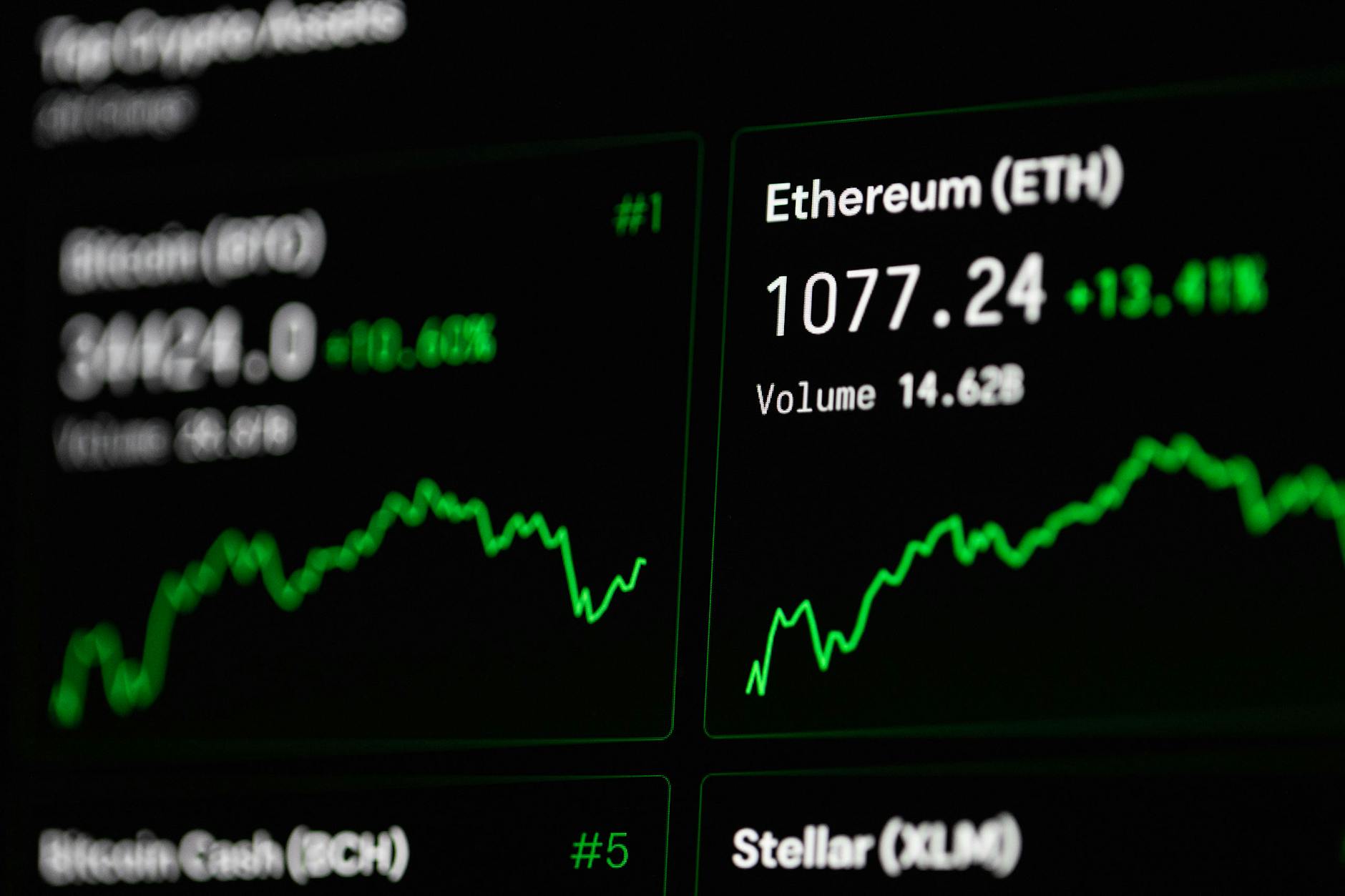
While Bitcoin's price remains steady, other altcoins have seen a pullback. Solana dropped 1.5% to $83, while Cardano and Dogecoin fell by 1% and 1.3% respectively, coindesk.com reported.
ETF inflows support price floor
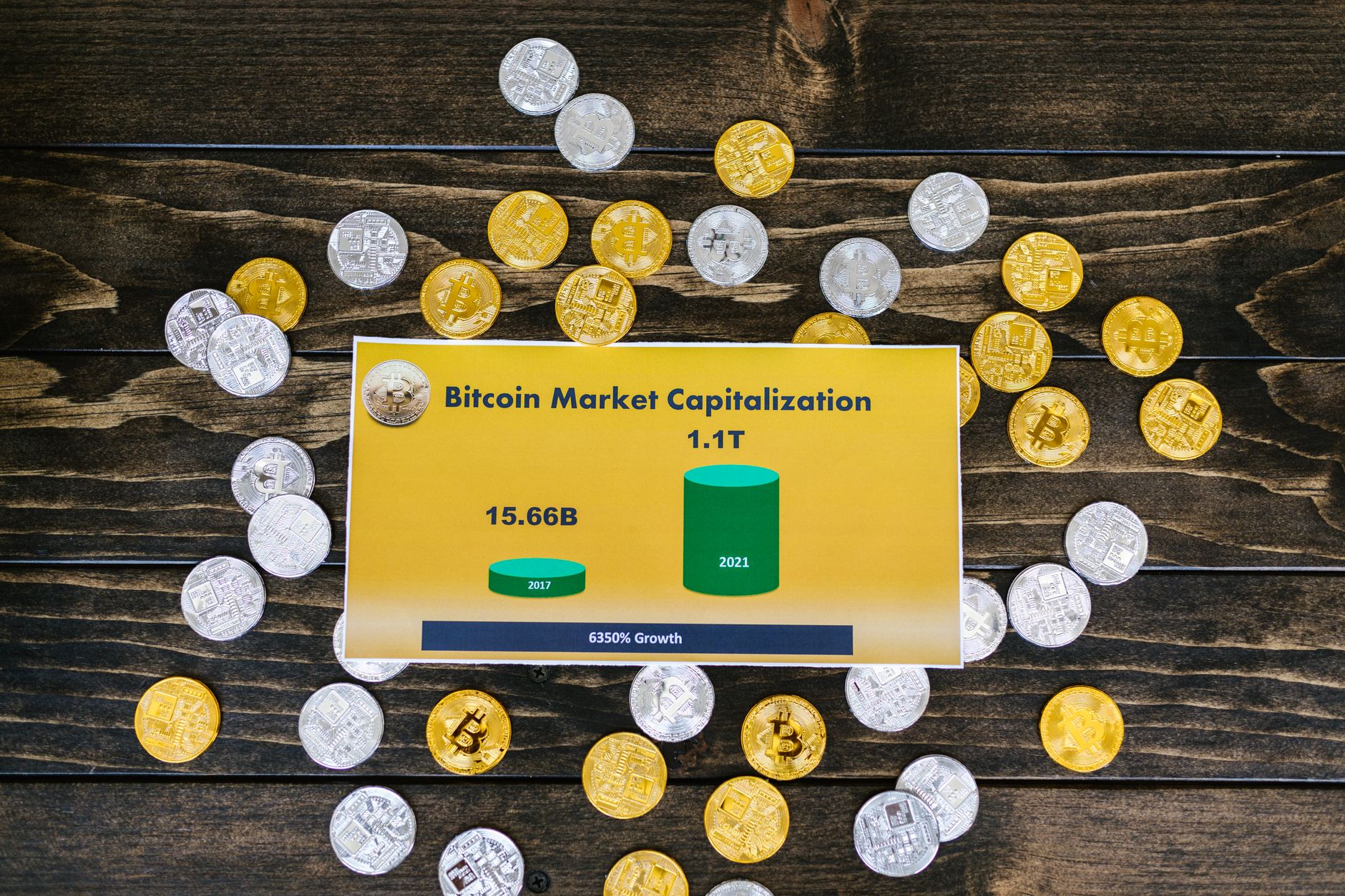
Strong inflows into U.S. spot bitcoin ETFs are providing a significant cushion for the market. These products have now accumulated more than $56 billion in total inflows since their January launch.
On April 6, U.S. spot ETFs recorded $471 million in net inflows, marking the strongest single-day intake since February. This influx suggests a growing base of long-term holders who may be less likely to sell during price volatility.
Vikrant Sharma, founder of CakeWallet, noted that the massive institutional entry is a positive sign for the industry.
"Institutions pouring in $471 million in a single day and pushing past $56 billion cumulative means bitcoin is getting a whole new class of long-term holders," Sharma said. He added that while self-custody wallet sell-offs represent natural profit-taking, the lack of a price collapse is a "very bullish sign."
Market participants are also looking toward potential Federal Reserve rate cuts later this year. Such moves could inject more liquidity into risk assets after months of range-bound trading.
Despite the optimism, some technical indicators remain cautious. Derivatives funding rates on Binance's bitcoin perpetuals have stayed negative for 46 days, a streak comparable to the period following the FTX collapse in late 2022.