U.S. Democratic Senator Ed Markey recently launched an inquiry into seven robotaxi companies, demanding transparency regarding the use of Remote Assistance Operators (RAOs). However, the findings show that these companies have largely refused to disclose the frequency of remote interventions, fueling public concerns over the safety and transparency of autonomous driving technology.
Markey’s office sent inquiries to Aurora, May Mobility, Motional, Nuro, Tesla, Waymo, and Amazon’s Zoox, seeking details on how these firms use remote personnel to monitor vehicles and intervene when necessary. In his report, Markey criticized the lack of disclosure as a "clear demonstration of the severe lack of transparency from autonomous vehicle companies," and emphasized the urgent need for strict regulatory oversight.
Blurred Lines in Technical Intervention
The investigation revealed significant disparities in how these companies manage remote control permissions. In its response, Tesla acknowledged that its remote operators have the authority to steer vehicles directly, up to a speed of 10 mph. Karen Steakley, Tesla’s Director of Public Policy, argued in a letter that this direct input is a "last resort" intended to help vehicles navigate out of difficult situations without waiting for on-site assistance.
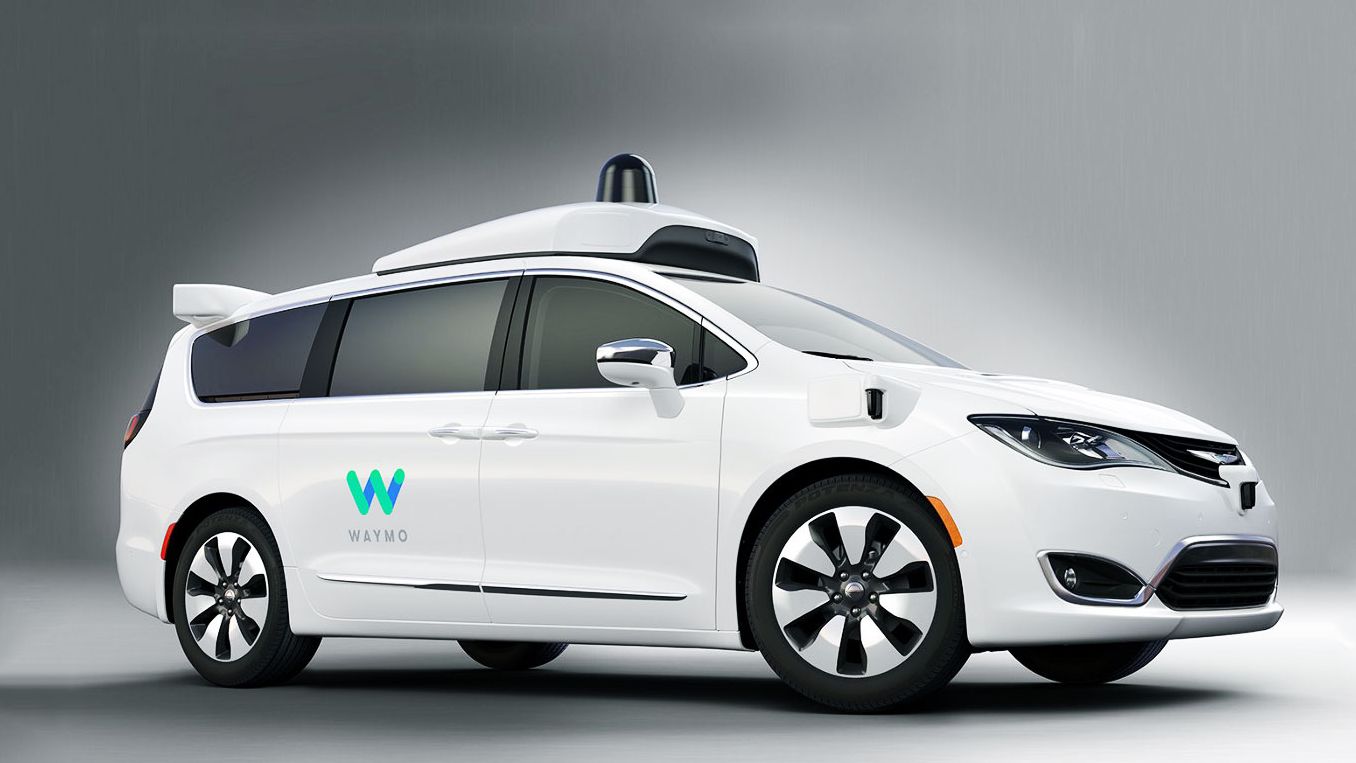
In contrast, Waymo employs a different approach. The company stated that its remote agents can only send guidance prompts to the vehicle, encouraging it to move at speeds of up to 2 mph, rather than taking direct control of the steering. Furthermore, Waymo is the only company among those surveyed that utilizes remote agents based overseas, with some staff located in the Philippines. The investigation found that a significant portion of these remote employees do not hold U.S. driver's licenses, though the company noted that all its Philippine-based staff hold local licenses.
In February, Markey questioned Waymo and Tesla regarding their remote operations. At that time, Waymo’s Chief Safety Officer confirmed the existence of a remote team in the Philippines. Waymo vehicles have previously been involved in safety incidents; for instance, in Austin, Texas, a Waymo autonomous vehicle illegally passed a school bus with its stop sign extended after receiving incorrect information from a remote assistant.
Despite mounting regulatory pressure, autonomous vehicle companies maintain that remote assistance is an essential safety feature. They argue that these operators serve as a vital "last line of defense" when vehicles encounter complex road conditions, helping to alleviate traffic congestion and manage unexpected emergencies.
As the regulatory tug-of-war over the robotaxi industry continues, Markey maintains that the current lack of transparency is unacceptable. He argues that legislation is necessary to mandate the disclosure of operational data, ensuring that autonomous systems can operate safely on public roads.