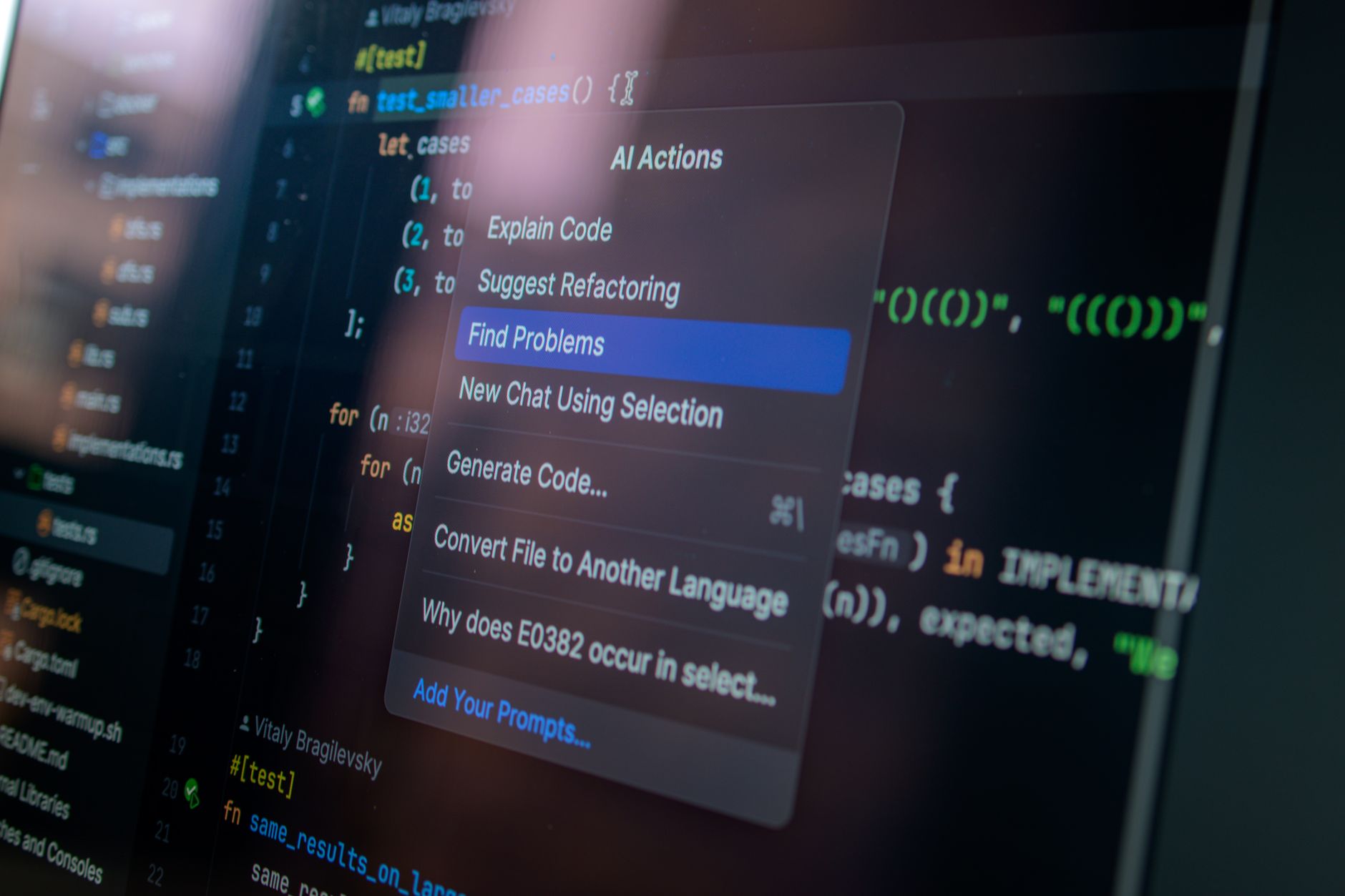
Microsoft has sparked a heated debate on social media over the terms of service for its AI assistant, Copilot. According to an agreement updated last October, the company explicitly states: "Copilot is for entertainment purposes only."
The agreement further warns users that the tool may produce errors and might not always function as expected. Microsoft bluntly cautions: "Do not rely on Copilot for important advice. Use of Copilot is at your own risk."
This stance stands in stark contrast to Microsoft’s commercial strategy. The company is currently aggressively marketing Copilot to enterprise clients, attempting to convince businesses to pay for the service to boost workplace productivity.
Faced with public scrutiny, a Microsoft spokesperson recently told the media that the language in question is "legacy text." The company acknowledged that the wording no longer reflects the current actual use of Copilot and promised to revise it in the next update.
Standard Risk Disclaimers in the AI Industry
In reality, Microsoft is not the only company to define its AI products as non-professional tools. Major players across the industry include similar disclaimers in their legal terms.
For example, OpenAI explicitly notes in its terms of service that generated content should not be considered a source of factual information or absolute truth. Similarly, Elon Musk’s xAI warns users in its legal agreements not to treat model outputs as definitive facts.
These clauses reflect a universal challenge facing the AI industry: while large models have been deployed across various sectors, the accuracy of their output cannot be fully guaranteed. From a legal standpoint, companies tend to use such stringent disclaimers to mitigate potential liability, even as these products become widely integrated into daily office work and decision-making processes.