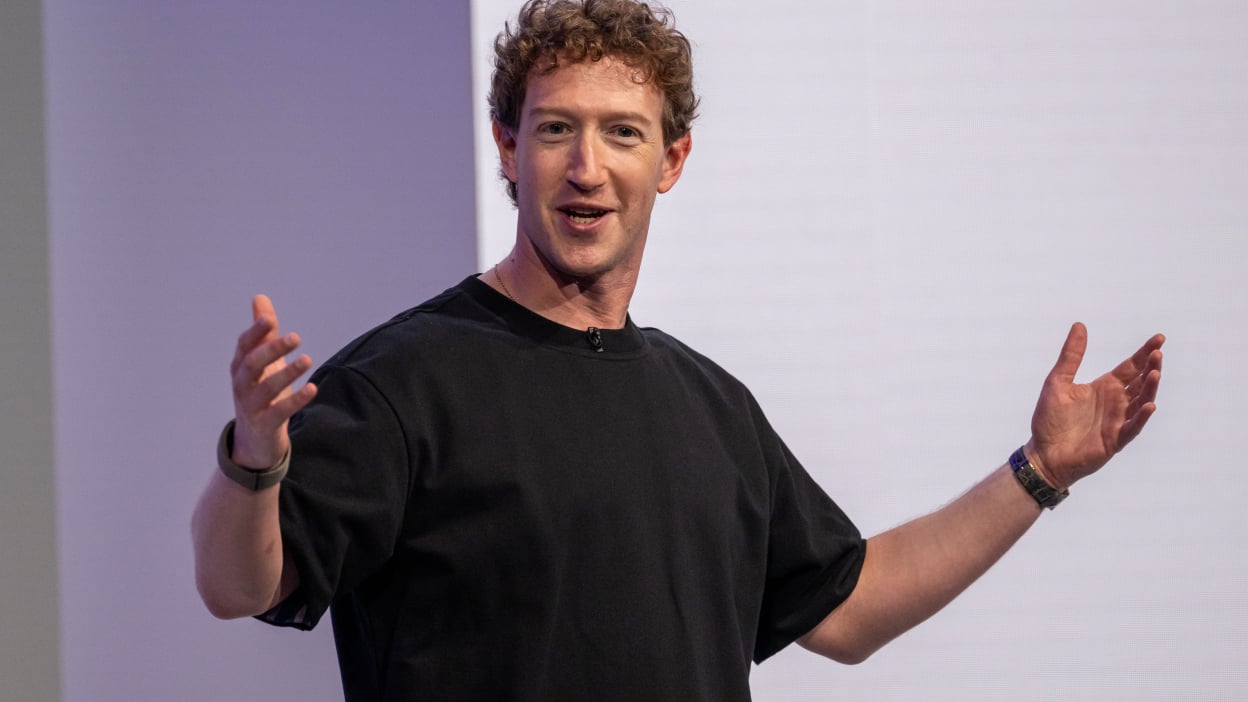
Meta is developing a photorealistic, AI-powered 3D version of CEO Mark Zuckerberg to facilitate real-time conversations with employees, according to a Financial Times report.
The project aims to provide scalable, always-available leadership within the company. Zuckerberg is personally training and testing the system, according to four people familiar with the matter told FT.
Engineers are feeding the character Zuckerberg's mannerisms, vocal patterns, public statements, and recent strategic thoughts. The company intends for the AI to make employees "feel more connected to the founder" by providing a digital presence that never has to cancel meetings.
Scaling superintelligence
Meta’s newly formed Superintelligence Labs is leading the project. Scaling the technology requires massive computing power to maintain realistic, lag-free interactions.
To support this push, Meta acquired voice companies PlayAI and WaveForms last year. The company's projected capital expenditure for 2026 ranges between $115 billion and $135 billion, nearly doubling its previous year's budget.
This initiative follows the recent release of Muse Spark, the first model from the Superintelligence Labs. The compact system features capabilities in visual understanding and health reasoning, a release that helped drive a 7% jump in Meta shares.
Internally, Meta is pushing staff to use AI tools and build agents via OpenClaw, an open-source software. Product managers are currently undergoing "skills baseline exercises" that include system design tests and "vibe coding."
The move marks a departure from Meta's previous focus on the metaverse. In 2022, the company faced backlash over its Horizon Worlds avatars, which critics described as low-quality and visually unappealing.
While Reality Labs spent $10.2 billion in 2021 alone, the company has since pivoted away from those virtual environments. The new focus shifts the company's investment toward high-fidelity AI replicas.