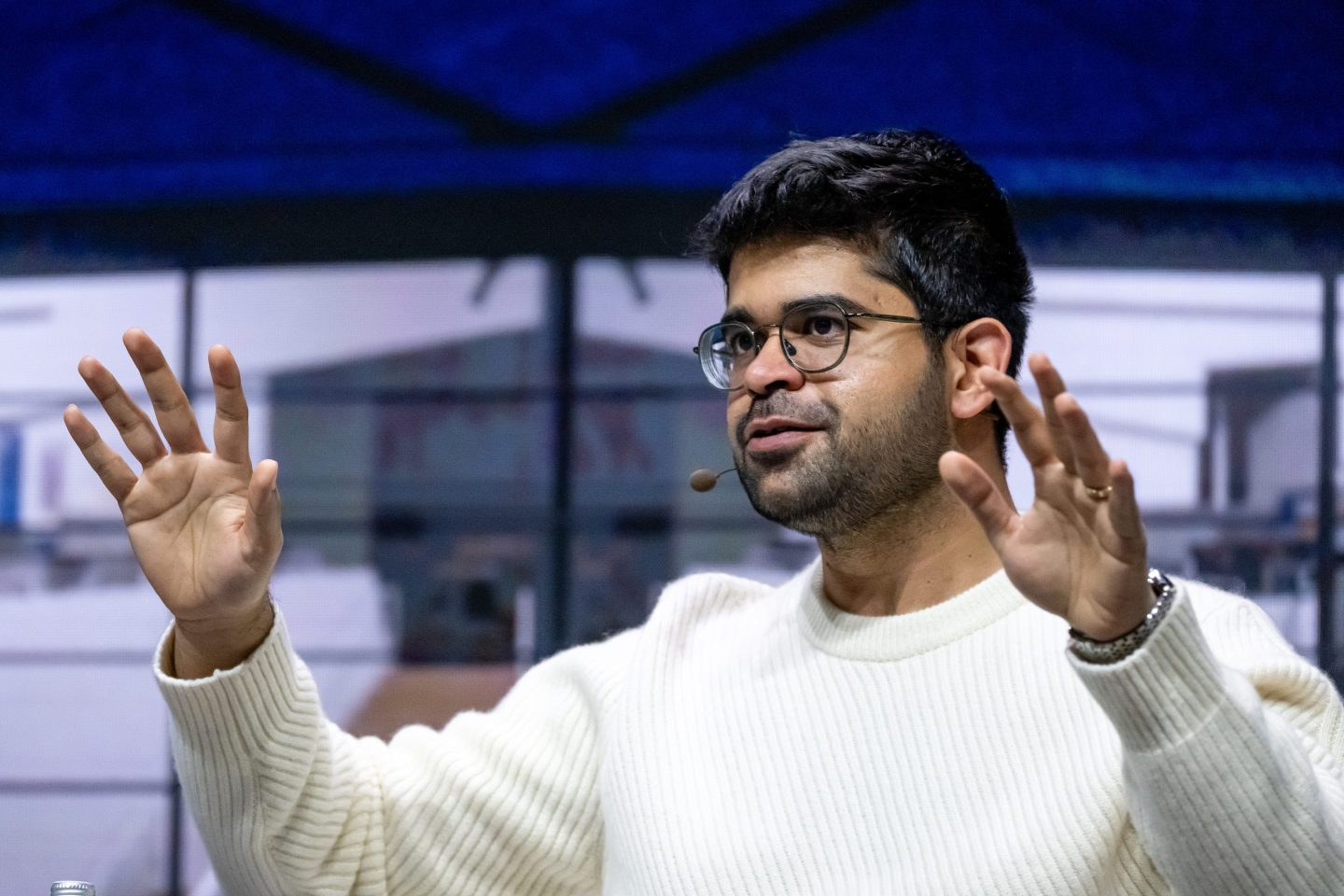
Perplexity AI co-founder and CEO Aravind Srinivas said last month that widespread job displacement caused by artificial intelligence is a component of a "glorious future." Speaking on the "All-In" podcast, Srinivas argued that because many people do not enjoy their current roles, AI offers a chance to pivot toward individual business ownership.
"There's suddenly a new possibility, a new opportunity, to go use these tools, learn them, and start your own mini business," Srinivas said. He suggested that even if the short-term economic outlook involves significant labor market friction, the long-term shift toward independence is a positive outcome for the workforce.
The reality of AI-driven layoffs
While Srinivas characterizes the shift as an opportunity for autonomy, data from the labor market suggests a more immediate impact on employment. According to statistics from Challenger, Gray and Christmas, U.S. employers announced over 60,000 job cuts last month. Of that total, roughly 15,341 layoffs were directly attributed to artificial intelligence.
The technology sector is bearing the brunt of this trend. In the first three months of the year, more than 52,000 tech roles were eliminated, representing a 40% increase compared to the same period in the previous year. Major industry players, including Amazon and Meta, have moved to reduce corporate headcounts while simultaneously increasing capital expenditure on AI infrastructure.
Srinivas’s vision relies on the assumption that displaced workers can successfully leverage AI tools to replace traditional employment with self-directed income streams. Proponents argue that lower barriers to entry for software and business automation allow individuals to launch startups with minimal overhead.
However, this transition requires access to resources, stability, and a high tolerance for financial risk. Critics note that the ability to pivot into entrepreneurship is not a universal safeguard against the loss of traditional, stable employment. As companies continue to reallocate budget from human labor to machine learning, the question remains whether the economy can absorb displaced workers into the small-scale business models envisioned by industry leaders.