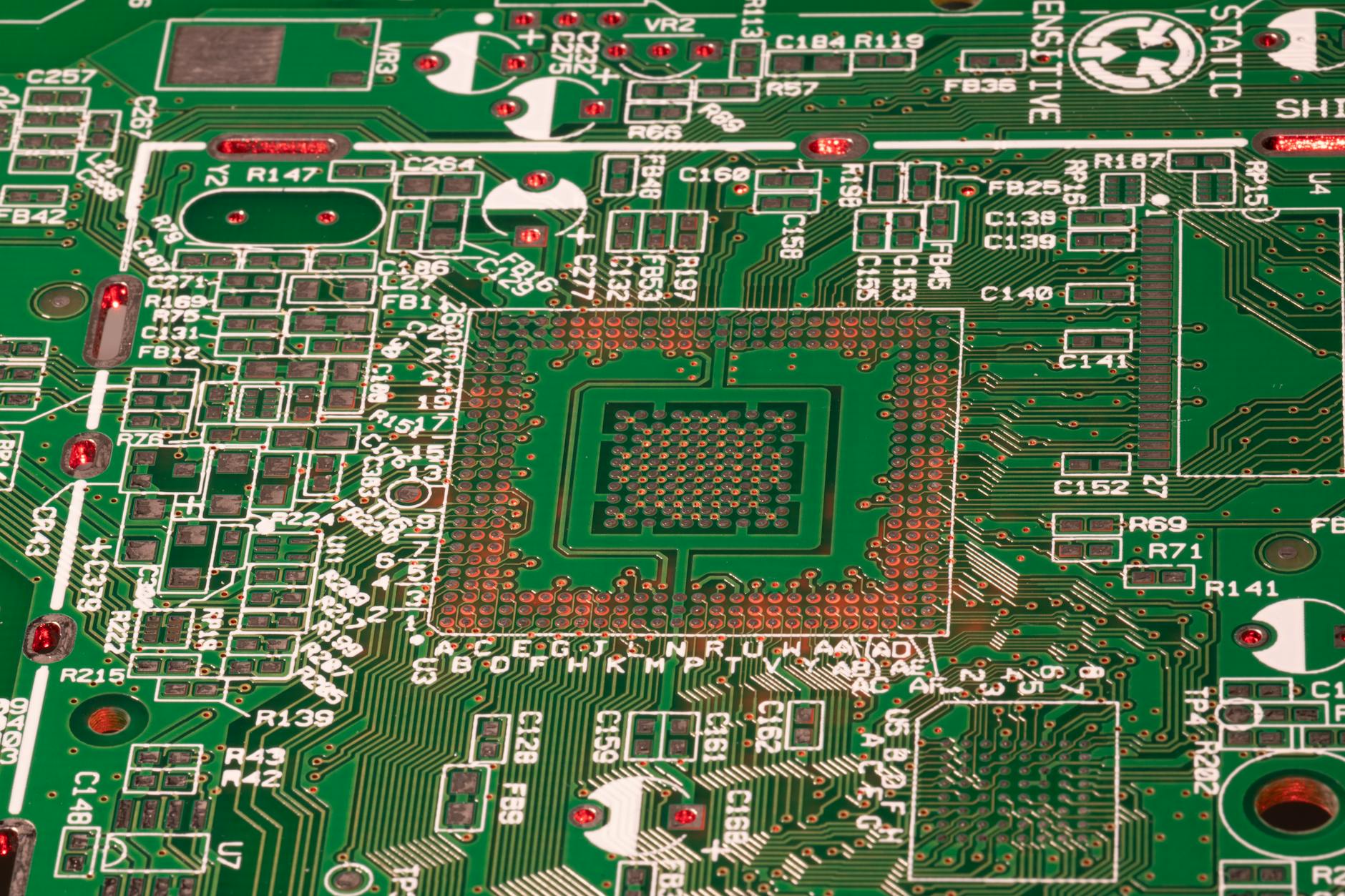
Hackers at Mz* Baltazar’s Lab, an artist-run independent space in Vienna, are experimenting with wild clay to create an alternative, ethical method for producing printed circuit boards (PCBs).
The project aims to move away from the standard electronics supply chain, which the group notes relies heavily on plastics and conflict minerals such as tungsten, tin, tantalum, silver, and gold.
According to feministhackerspaces.cargo.site, the team is investigating 'ethical hardware' using locally sourced, low-impact, and non-toxic materials to develop renewable practices for both humans and nature.
Reusing silicon components
The researchers began the project by repurposing existing microcontrollers. They focused on the ATmega328P chip, the component found in the Arduino Uno, which the group refers to as the 'Arduina board' in some feminist circles.
By using chips salvaged from malfunctioning boards, the lab avoids the waste associated with new hardware production. The team's goal was to design a circuit capable of receiving analog and digital sensor inputs and generating outputs for LEDs, motors, and speakers.
To facilitate the clay-based production, the team used 3D printing to create a custom stamp from recycled polypropylene filament. The design required precise adjustments to account for the physical changes in the material.
'All clay shrinks considerably during the drying and firing process,' the source reports. The team estimated a 5% shrinking rate and determined that circuit tracks needed an imprint depth of 1.2 mm to remain functional.
For the PCB base, the group selected porcelain due to its existing role in electronic components like capacitors and resistors. Porcelain is composed of kaolin and stone pottery, materials that are often mined on a large scale in China, Brazil, South Africa, and Vietnam.
Working with porcelain presents technical difficulties because of its sensitivity and the high temperatures required for production. The process involves a ceramic bisque firing at approximately 1000°C, followed by a glazing firing at roughly 1200°C in an electric kiln.