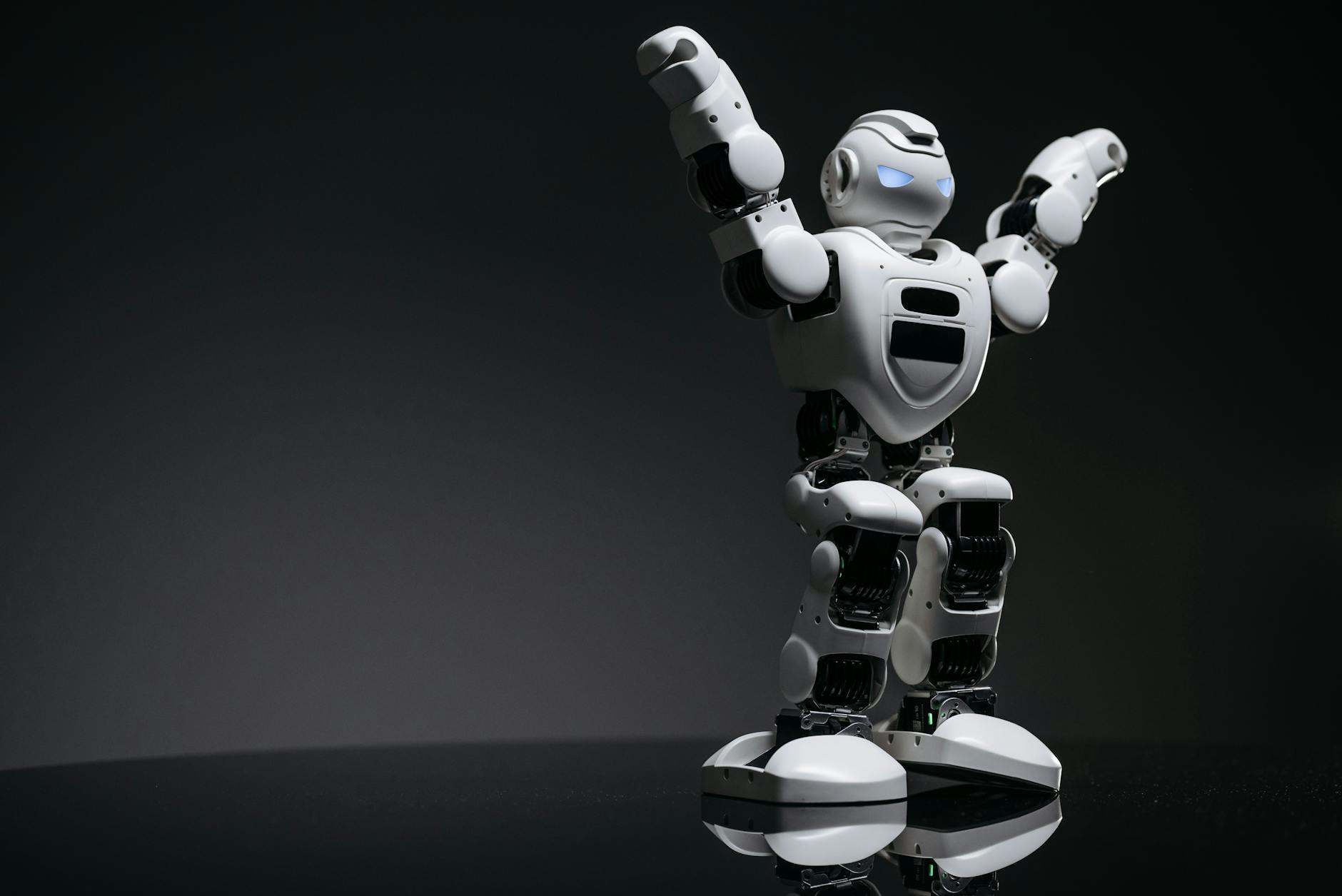
SoftBank, Sony Group, Honda, and NEC have launched a new joint venture to develop a trillion-parameter AI model focused on physical applications rather than conversational chatbots. The consortium, tentatively named 'Japan AI Foundation Model Development,' aims to create intelligence capable of operating robots, autonomous vehicles, and industrial machinery.
The group includes significant stakes of over 10% from each founding tech giant, alongside participation from major Japanese banks and steelmakers like Nippon Steel and MUFG Bank. While SoftBank and NEC will lead the core AI development, Honda intends to deploy the technology in autonomous driving, and Sony will integrate it with robotics and hardware.
A strategy for digital sovereignty
The project seeks to reduce Japan's 'digital deficit,' a reliance on U.S.-based cloud infrastructure and foreign AI pipelines. The new entity plans to train its models using domestic Japanese data kept entirely within Japan's borders.
To fund this initiative, Japan's national R&D agency, NEDO, has earmarked approximately ¥1 trillion ($6.28 billion) in AI support over a five-year period starting in fiscal 2026. The new company is expected to be a primary recipient of these funds.
This move marks a pivot for SoftBank, which recently led a $40 billion funding round for OpenAI. The firm is now anchoring a domestic ecosystem designed to operate independently from the American AI landscape it helps finance.
Industry experts refer to this frontier as 'Physical AI,' where models move beyond text generation to perceive and act within the physical world. The consortium's roadmap targets practical applications for these physical systems by 2030.
Global competition in this sector is intensifying. Tesla is currently developing proprietary robotics, while Chinese state plans include massive investments in similar physical intelligence technologies.