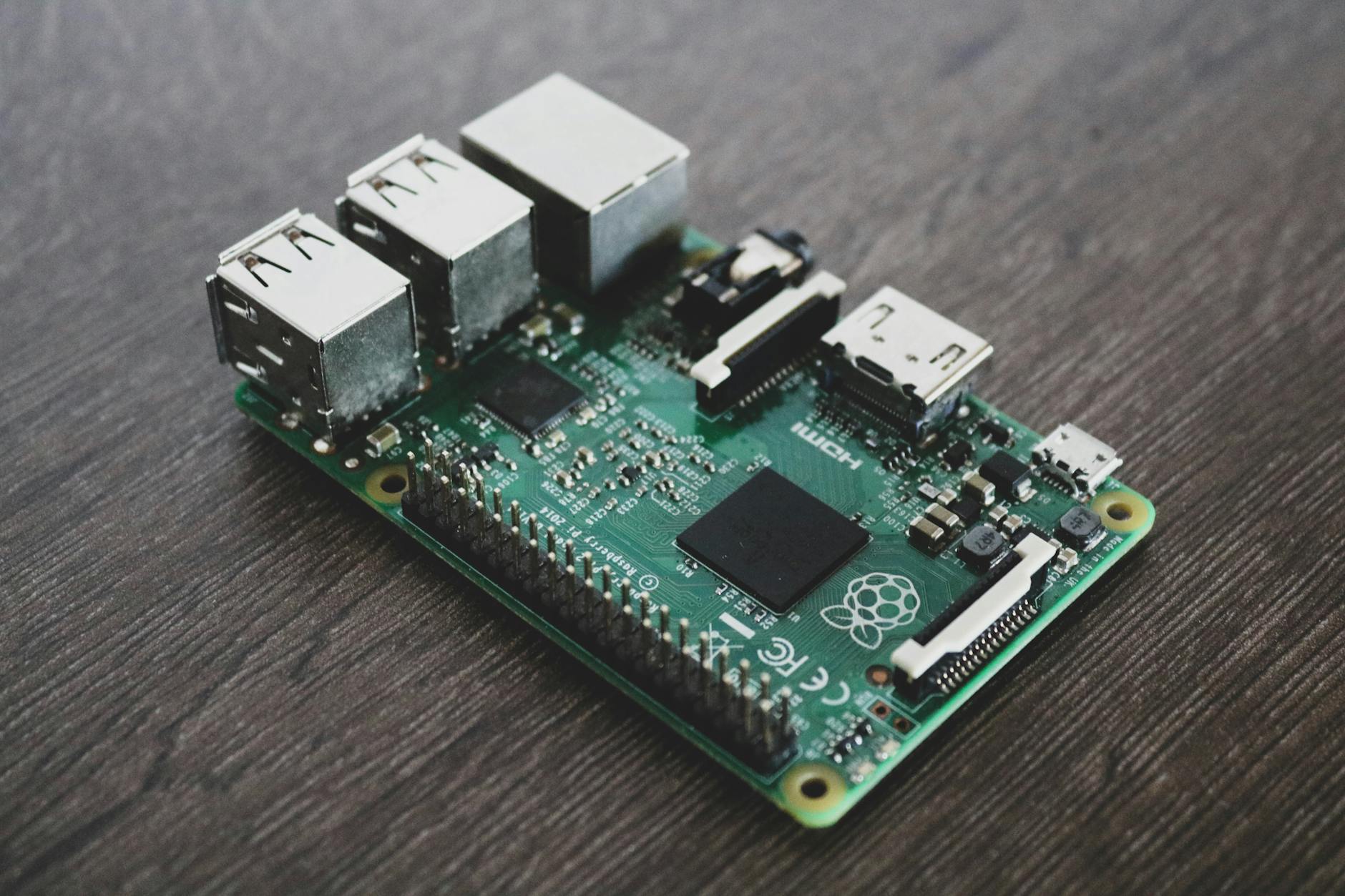
Raspberry Pi OS has officially ended its open-door policy for sudo commands, requiring users to enter a password by default on new installations.
According to theregister.com, the latest update to the operating system mandates authentication for the sudo prefix. Users who enter the password incorrectly will find their commands refused by the system.
Previously, the OS allowed any user to run administrator-level commands without any authentication. While this provided a frictionless experience, the outlet reported that the setup posed an obvious security risk, as anyone with physical or remote access to the machine could cause serious harm.
To minimize disruption, the system will not prompt for the password again for five minutes once an administrator has entered it correctly. This allows multiple consecutive sudo commands to remain easy to execute.
Reverting to passwordless access
Users who find the new requirement too cumbersome can return to the original settings. The change can be reversed via the Control Centre or through a specific raspi-config setting.
Some users have expressed frustration with the update. Theregister.com noted that one user called the update a "lame change" and remarked that it "ruined my day."
Other members of the community have accepted the move toward a better security posture. The outlet reported that Raspberry Pi acknowledged that strengthening security is often "a tricky balance."
While the change might break certain existing scripts, the new policy only applies to new installations and does not touch existing setups. The shift marks a transition for the device from its hobbyist roots toward a more mainstream, secure standard.