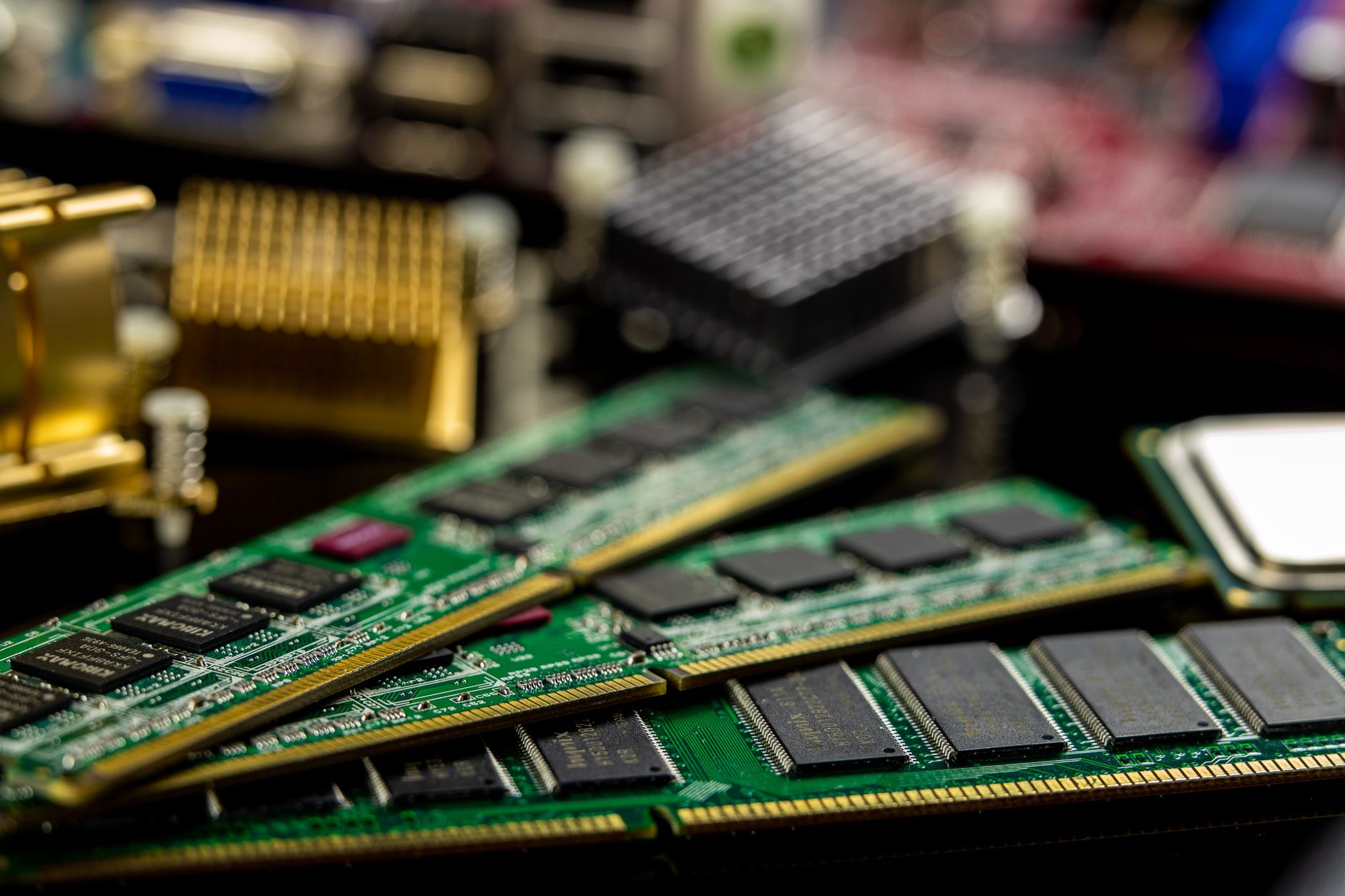
Global DRAM prices are poised for another significant surge, with market analysts projecting a 58 to 63 percent increase in contract costs throughout the current quarter. According to a report by The Register, this follows a chaotic first quarter where memory prices effectively doubled, driving industry revenue to $97 billion.
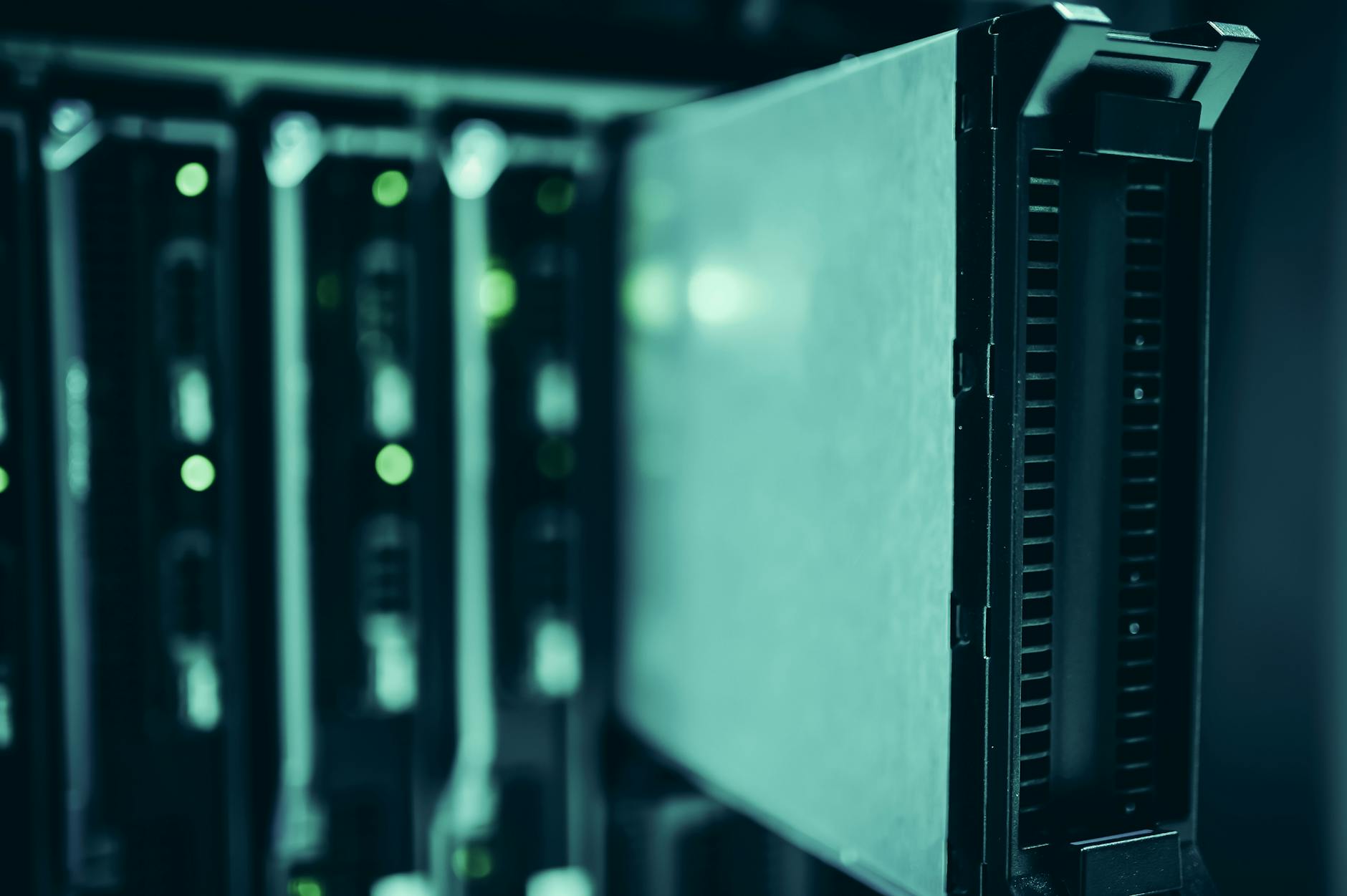
TrendForce, the Taipei-based market research firm tracking the trend, notes that inventory levels among major suppliers remain critically low. Manufacturers are funneling nearly all incremental supply into high-capacity RDIMMs required for AI servers, leaving PC and smartphone vendors struggling to secure stock.
This supply bottleneck has had a direct impact on the retail market. European consumers are already facing double-digit price hikes for desktop and laptop computers, a trend the outlet reports is likely to persist as long as AI demand remains the primary driver of production strategy.
Long-term capacity constraints
The industry's top three players—Samsung, SK hynix, and Micron—show no immediate signs of shifting their focus back to conventional memory. While SK hynix Chairman Chey Tae-won recently outlined plans to double wafer output capacity, he warned that the process will be gradual, potentially keeping the market in a state of shortage until 2030.
Other analysts provide a slightly more optimistic outlook, suggesting the crunch may ease by the end of next year. Micron has confirmed it is bringing new manufacturing capacity online, though significant production at its Idaho facility is not expected until mid-2027.
Market pressure is currently forcing smaller buyers to pay premium rates to compete with hyperscale customers who have already signaled a high tolerance for price increases. While a potential strike at Samsung was averted at the end of May—avoiding further production instability—supply remains heavily constrained.
Smaller suppliers like Nanya, Winbond, and PSMC are attempting to fill the void by focusing on mature-node DRAM products. However, these efforts are currently insufficient to offset the massive shift toward high-bandwidth memory (HBM) required for AI infrastructure.