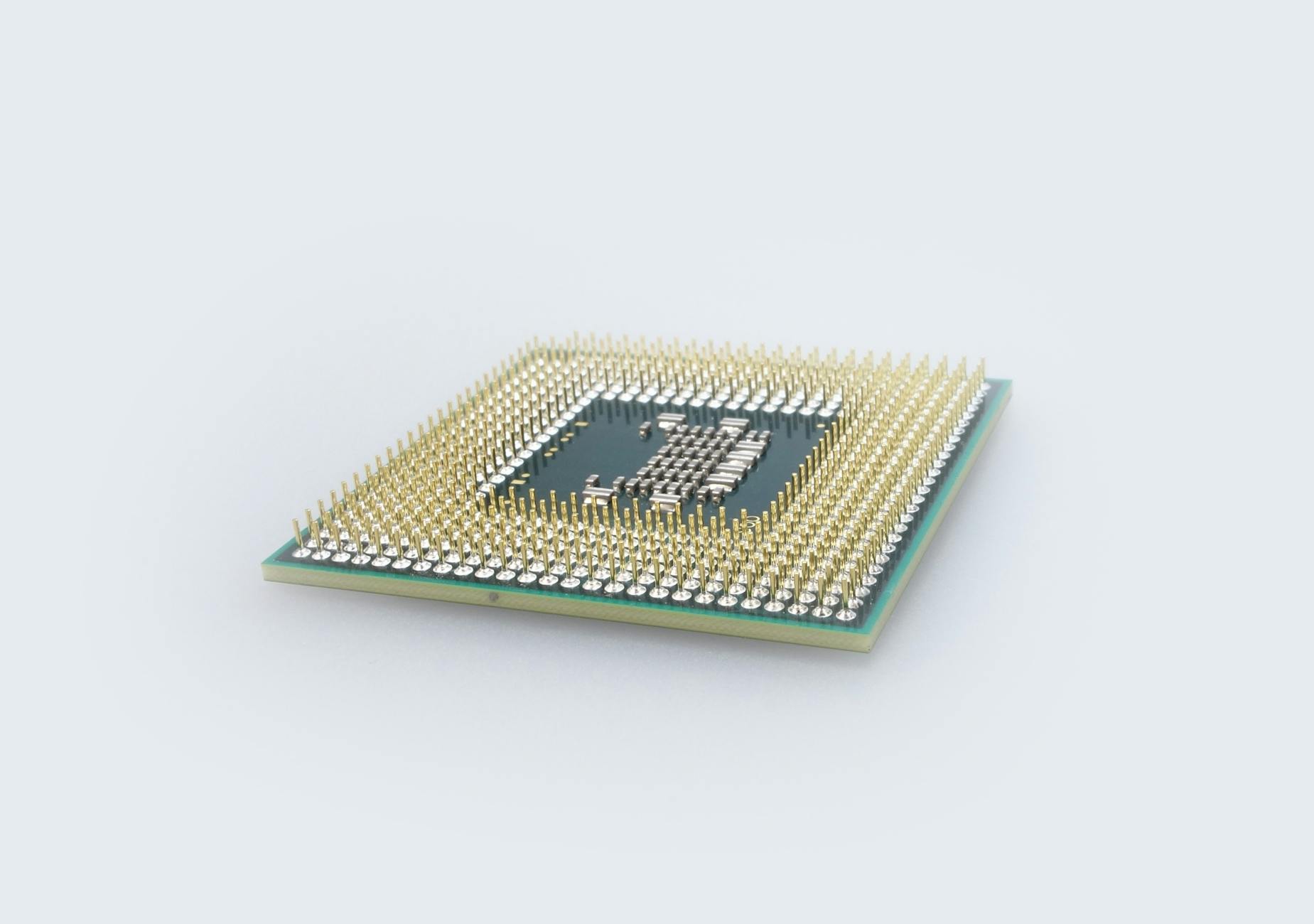
Nvidia officially entered the consumer Windows laptop market on June 1, 2026, with the debut of its RTX Spark superchip. The product marks a significant shift for the company, moving beyond its data center dominance to introduce an Arm-based processor designed to compete directly with Apple’s high-performance silicon.
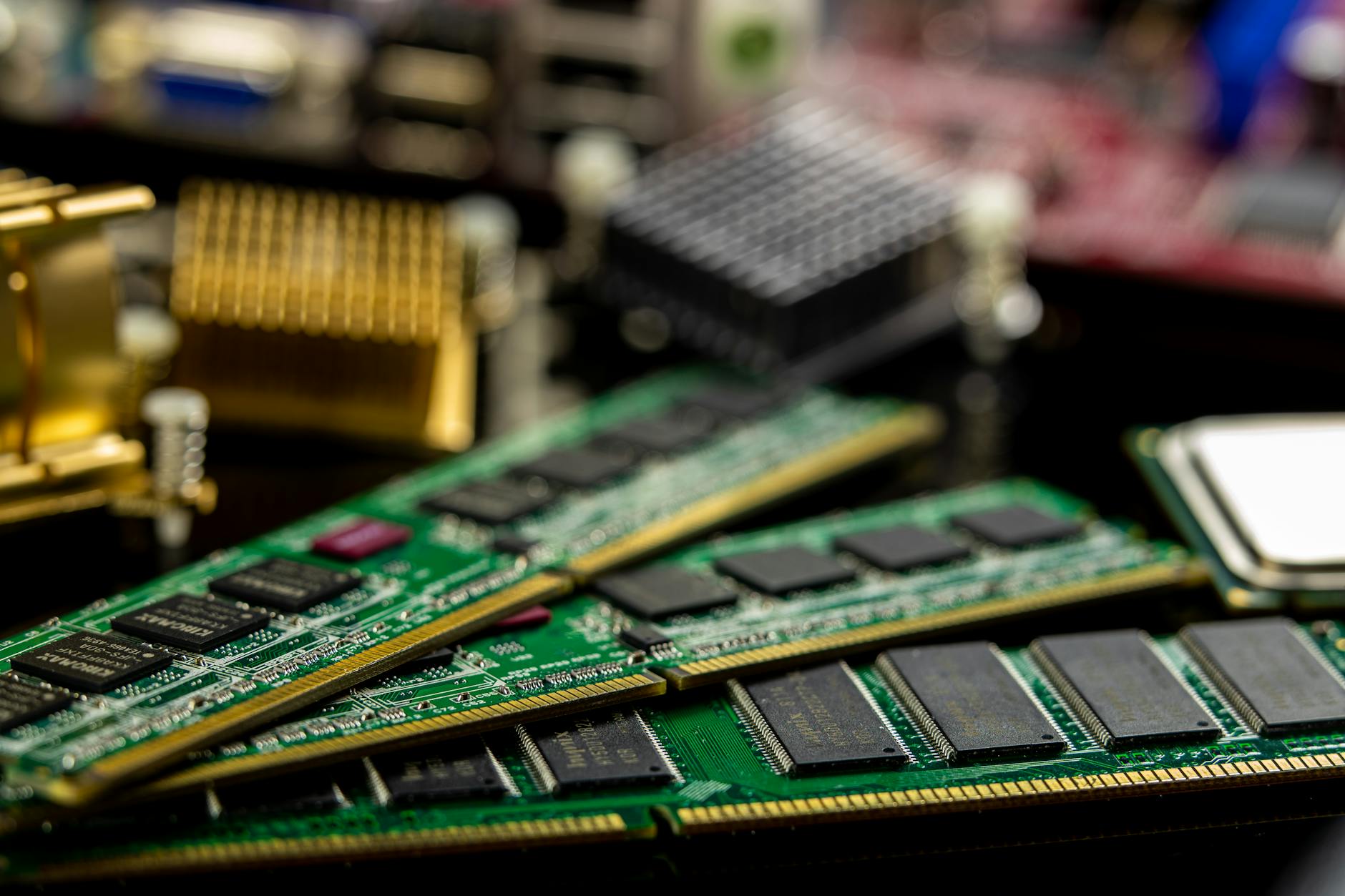
According to Ars Technica, the RTX Spark combines a 20-core Nvidia Grace CPU, co-developed with MediaTek, with up to 6,144 Blackwell-based GPU cores. The Verge reports that the chip supports up to 128GB of unified LPDDR5x memory and provides performance comparable to an RTX 5070 Laptop GPU, all within a thermal envelope thin enough for ultra-portable devices.
A New Architecture for Windows
Nvidia’s return to the consumer CPU space—following its previous, less successful Tegra-based efforts—relies heavily on recent advancements in Microsoft’s Windows-on-Arm ecosystem. Ars Technica notes that Microsoft’s Prism translation layer has matured significantly, allowing Arm-based PCs to handle productivity tasks with parity to x86 systems. However, gaming remains a hurdle. Nvidia and Microsoft have confirmed they are working with developers of popular titles and anti-cheat software, including Riot Games and BattlEye, to ensure compatibility on the new platform.
Nvidia CEO Jensen Huang highlighted the chip’s role in the company's broader push into AI agents. During the keynote, Huang described the chip as a "new major growth driver" for the company, emphasizing its ability to run local AI tasks and serve as a "teammate" for users. "RTX Spark is 100% awesome at everything everybody expects the PC to do, and it can do more," Huang stated, as reported by PC Gamer.
Market Impact and Hardware Partners
Manufacturers including Asus, Dell, HP, Lenovo, Microsoft, Acer, and Gigabyte are slated to release laptops and compact desktops featuring the chip this fall. PC Gamer highlights the MSI Prestige N16 Flip AI+ as a prime example of the hardware, which utilizes the lack of a discrete GPU to achieve a significantly thinner chassis while maintaining a 16-inch UHD+ Tandem OLED display.
Despite the excitement, industry analysts suggest the transition will be costly. The Verge noted that while the RTX Spark promises to be a "Windows M1 moment," consumers should prepare for premium price points. Furthermore, while the chip is marketed as a gaming powerhouse, PC Gamer cautioned that its performance will remain game-dependent due to the necessity of the Prism emulation layer for non-native titles. The official Nvidia product page emphasizes that the chip is built specifically for "agents," creating a machine where "there’s intelligence on both sides of the keyboard now."