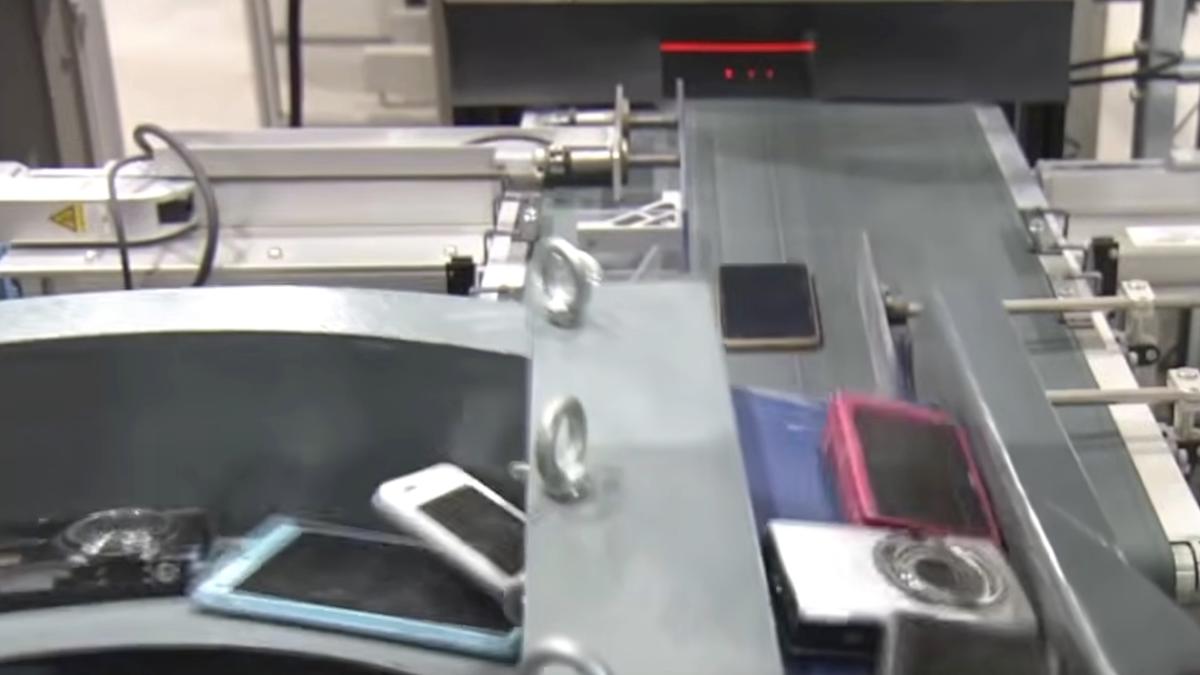
A metals processing plant in Tsuruga, Fukui Prefecture, has reached a recovery rate of 90 percent for lithium extracted from spent lithium-ion batteries. The facility, operated by JX Metals Circular Solutions, announced the breakthrough following a series of technical refinements that nearly doubled its previous efficiency.
Historically, the plant struggled to recover more than 50 percent of the lithium contained in discarded power cells. Tadashi Nakagawa, vice president and director of JX Metals Circular Solutions Tsuruga, confirmed the jump to 90 percent in an interview with NHK World.
Advancing the circular battery economy
"We believe it's crucial to recycle lithium-ion batteries safely," Nakagawa told NHK. He noted that the company hopes to scale the technology to provide broader economic and resource benefits for Japan.
The timing of the announcement comes as the global market for battery recycling prepares for rapid expansion. Industry analysts estimate the lithium recovery sector was valued at $13 billion last year. Projections suggest this valuation could reach $70 billion by 2035 as electric vehicle adoption and consumer electronics demand continue to rise.
While the 90 percent recovery rate is among the highest globally, the facility faces competition from firms in other regions. In the United States, Redwood Materials—founded by former Tesla CTO JB Straubel—has reported potential lithium recovery rates reaching 95 percent.
These technological leaps address two primary challenges in the battery industry: the accumulation of hazardous waste and the environmental cost of mining raw minerals. By perfecting extraction methods, companies aim to reduce reliance on newly mined lithium, which often requires energy-intensive and ecologically disruptive processes.
Engineers and industry observers have pointed to these developments as vital for long-term supply chain stability. As the global shift toward electrification accelerates, the ability to harvest high-purity minerals from existing stocks is becoming a core component of industrial strategy for both Japan and the United States.