Louis Blankemeier, CEO and co-founder of Cognita, sold his medical imaging AI startup to Radiology Partners less than one year after its October 2024 founding. According to news.crunchbase.com, the decision was driven by a desire to move AI research into real-world clinical applications rather than pursuing independent venture capital.
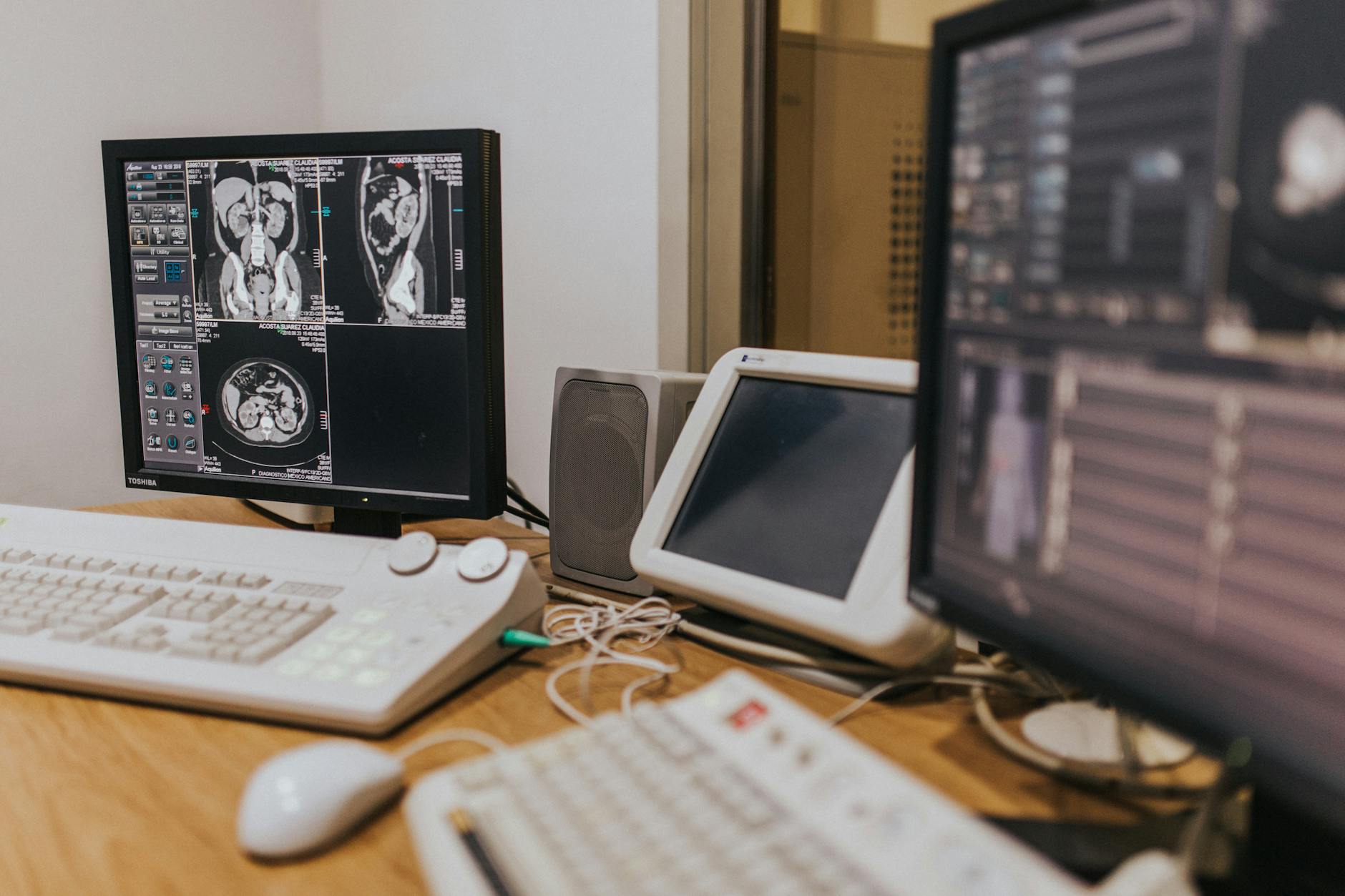
Blankemeier and his co-founders originally developed AI models capable of interpreting X-rays and CT scans. These models generate comprehensive radiology reports by mimicking the reasoning processes used by human radiologists. At the time of development, most radiology AI was limited to flagging only a few specific conditions.
Facing a choice between raising venture capital or accepting an acquisition, the founders chose the latter. Blankemeier stated that joining forces with Radiology Partners, the world's largest radiology practice, would better realize their mission of increasing healthcare access.
Challenges of clinical deployment
Transitioning from academic research to clinical practice presents significant technical hurdles. Blankemeier noted that while their models performed well on research-scale datasets, they had to meet much higher standards for safety and consistency in a hospital setting.
Real-world radiology involves massive amounts of data. A single CT study can contain enough information to equal a billion pixels. The software must also account for rare pathologies and edge cases that are often missing from controlled research environments.
Blankemeier compared the difficulty of reliable medical AI to the development of self-driving cars. He noted that despite a decade of heavy capital investment, only a few companies have achieved true reliability in that sector. He argued that for clinical AI to succeed, companies must control the entire system and achieve scale early.