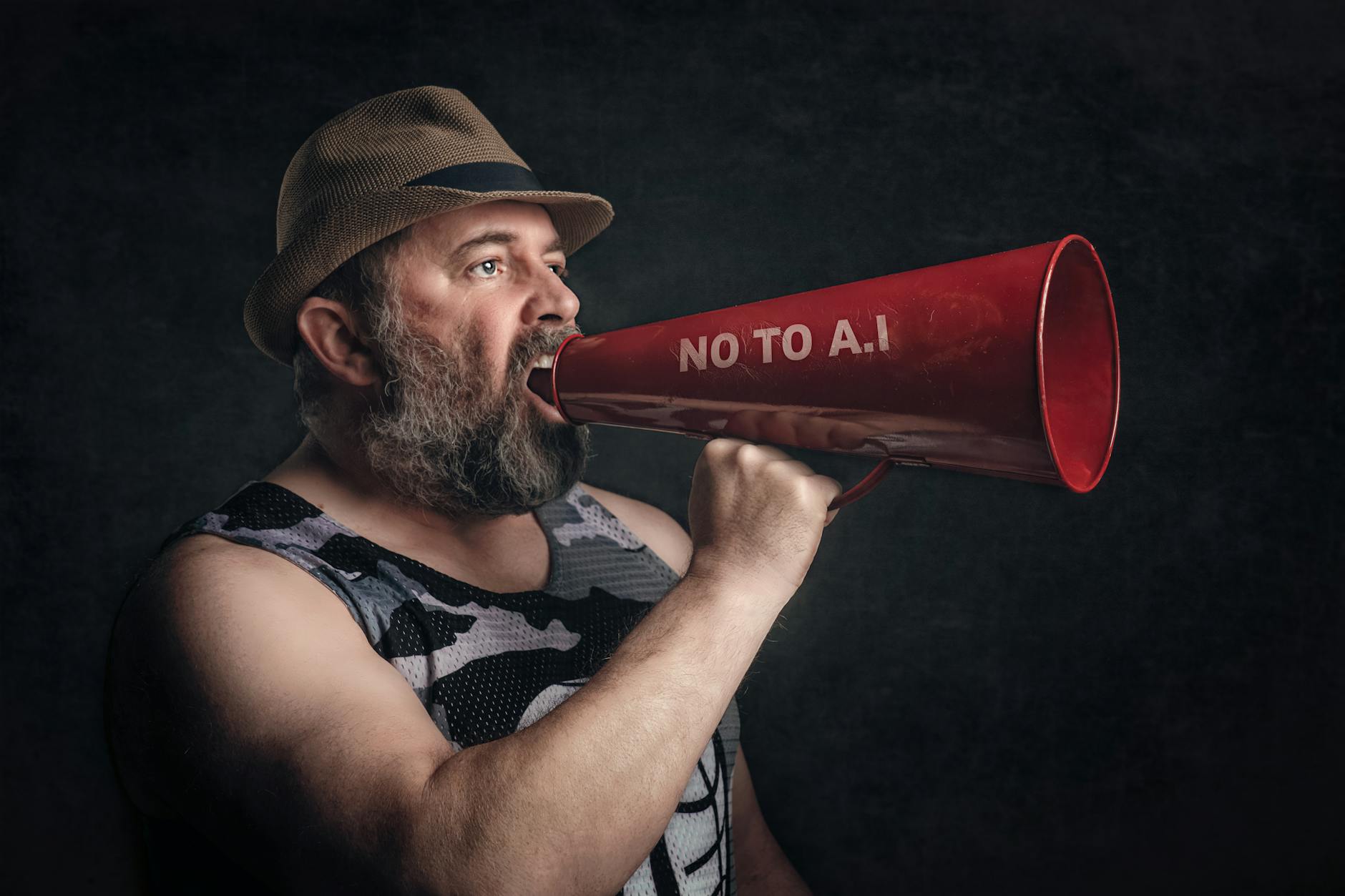
Voice actors across the globe are organizing to protect their livelihoods and personality rights as studios increasingly adopt AI-generated dubbing.
According to a report from Rest of World, more than 2 million full-time and part-time voice actors worldwide face the loss of their jobs and the unauthorized use of their voices to train AI models.
In Brazil, Fabio Azevedo, president of the Brazilian Association of Dubbing Professionals, says major production companies are already experimenting with the technology.
“With new AI-generated voices, I will be out of a job even though I am the one providing the input,” Azevedo told Rest of World.
Azevedo, known for voicing characters like Doctor Strange in Portuguese, also warns of a loss of cultural identity.
“We make foreign content sound Brazilian with our Brazilian idiosyncrasies; with AI, we lose that,” he said.
Global resistance movements
Resistance efforts are appearing in several countries. Mexico recently banned the use of AI in dubbing and the unauthorized use of voices following a campaign by local actors.
In South Korea, voice actors have proposed legislative clauses to limit AI use and protect citizens from unauthorized AI training. Meanwhile, in China, actors like Nie Xiying have used social media to condemn copyright infringement by AI-generated works.
“Please leave us a way to make a living,” Nie Xiying posted on Weibo.
Tech firms like San Francisco-based ElevenLabs, Cartesia, and Israel’s DeepDub are leading the push into voice cloning and text-to-speech technology. These tools are being integrated into virtual assistants, commercials, and video games.
Rafael Grohmann, an assistant professor at the University of Toronto, told Rest of World that workers in the Global South often lack the institutional power of Hollywood unions like SAG-AFTRA.
Grohmann has tracked over 100 movements by creative workers in roughly 25 countries, including Argentina, Chile, and India, as they form collectives to challenge the use of generative AI in the workplace.