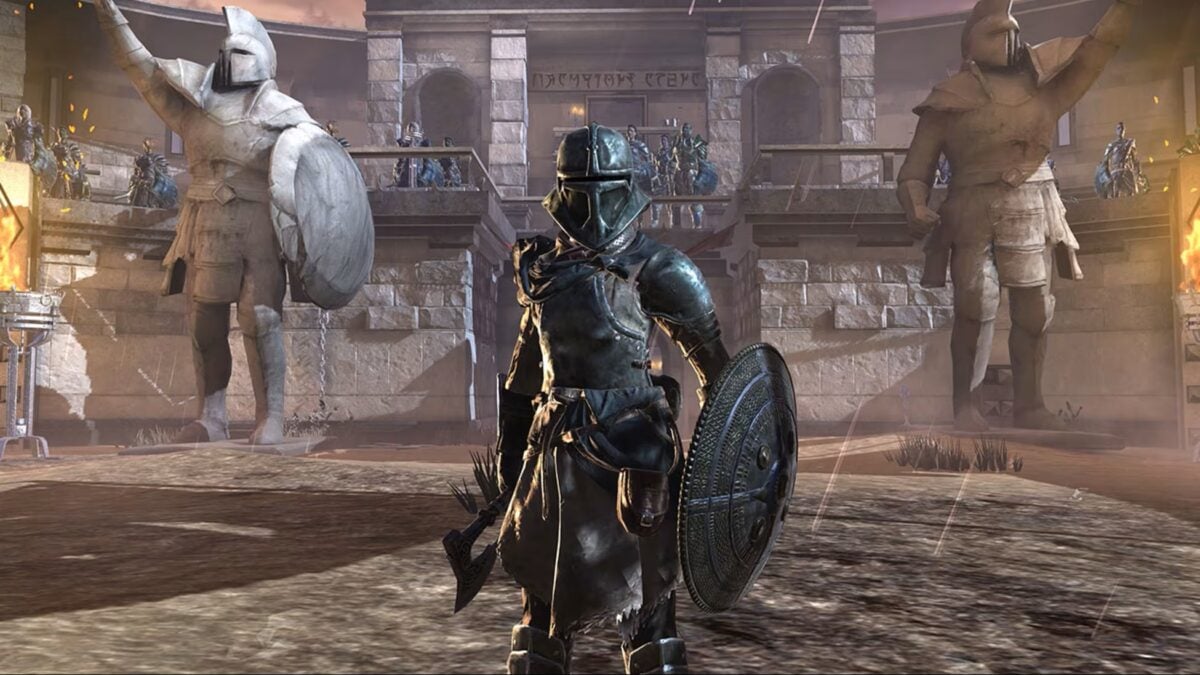
Bethesda Game Studios has officially confirmed that The Elder Scrolls: Blades, a free-to-play mobile role-playing game, will cease operations on June 30, 2026. This announcement marks the second major mobile title closure for the franchise within a single calendar year, following the shutdown of Legends. The decision affects players globally who relied on the game for daily quests and town restoration mechanics. It signals a broader shift in how the company approaches mobile gaming strategies moving forward.
Development on Blades halted in early 2020, yet the title persisted until the recent announcement. Prior to this, another mobile title, The Elder Scrolls: Castles, released in 2024, continues to operate as the only remaining mobile entry. This consolidation suggests a strategic pivot away from live-service models for the franchise on mobile platforms. Reports indicate that server maintenance costs may have outweighed ongoing revenue generation for the aging title.
The State of Mobile Bethesda Games
The closure of Blades leaves Castles as the sole surviving mobile application in the Elder Scrolls ecosystem. Players must now choose between the management simulation and returning to the main PC or console titles for immersion. This reduction limits the franchise's presence on handheld devices during a period of significant industry expansion. Industry analysts suggest this could impact brand visibility among younger demographics who primarily access games via smartphones.
Community feedback regarding the game has been mixed since its release, with many users citing excessive wait times as a primary frustration. The core loop involved restoring a destroyed town, but it lacked the open-world exploration typical of the Bethesda brand. Critics argued that the game served as a distraction rather than a genuine representation of the Elder Scrolls experience. Microtransactions were often criticized for gating essential gameplay progression behind paywalls.
Market Comparisons and Alternatives
Zack Zwiezen of Kotaku praised the early access version of the game, writing that the core gameplay loop was fun and satisfying. However, he acknowledged that some players would find the experience too pared down for an Elder Scrolls title. His review remains a benchmark for understanding the game's initial promise versus its final execution in the market. This mixed reception highlights the difficulty of adapting complex RPG mechanics to mobile interfaces effectively.
"fun and satisfying," the core gameplay loop was, Zwiezen wrote.
Elsewhere, reviews were largely negative, and it seems like the game never managed to build a significant player base. Even with additional roguelike dungeon crawler and PvP modes, user retention remained low throughout the title's lifecycle. The lack of a dedicated community made the economic case for keeping servers online increasingly difficult to justify. Competitors in the genre have since moved away from aggressive monetization tactics that alienated this specific audience.
It is frustrating to see Blades shut down entirely instead of being preserved as a single-player offline experience. Animal Crossing: Pocket Camp Complete, flawed though its transition and implementation was, proved that microtransactions can be removed. This model allows users to continue accessing the game without the pressure of ongoing server costs. Critics argue that Bethesda chose not to do something similar for Blades, potentially missing a revenue opportunity in the long term.
Without those predatory microtransactions, it might have finally been able to shine as a standalone offline product. The decision to close servers entirely prevents any form of archival access for the game's assets. Preservationists continue to advocate for older digital games to remain playable even after commercial support ends. This trend could set a precedent for how other publishers handle their legacy mobile titles in the future.
The broader implications extend beyond a single title, affecting how consumers view long-term investment in mobile games. If major studios prioritize short-term profits over long-term service, trust in digital ownership may erode further. Players are increasingly demanding better guarantees regarding the longevity of their purchased digital content and access rights. This conversation is gaining traction as more services launch and discontinue within the same fiscal year.
What comes next for Bethesda mobile remains uncertain as the company focuses on core console and PC experiences. Fans will likely watch for announcements regarding Castles or potential new entries that align with the main series. Until then, the shutdown date serves as a final reminder of the volatility within the mobile gaming sector. Industry observers will track whether this shift influences licensing deals for other major franchises.