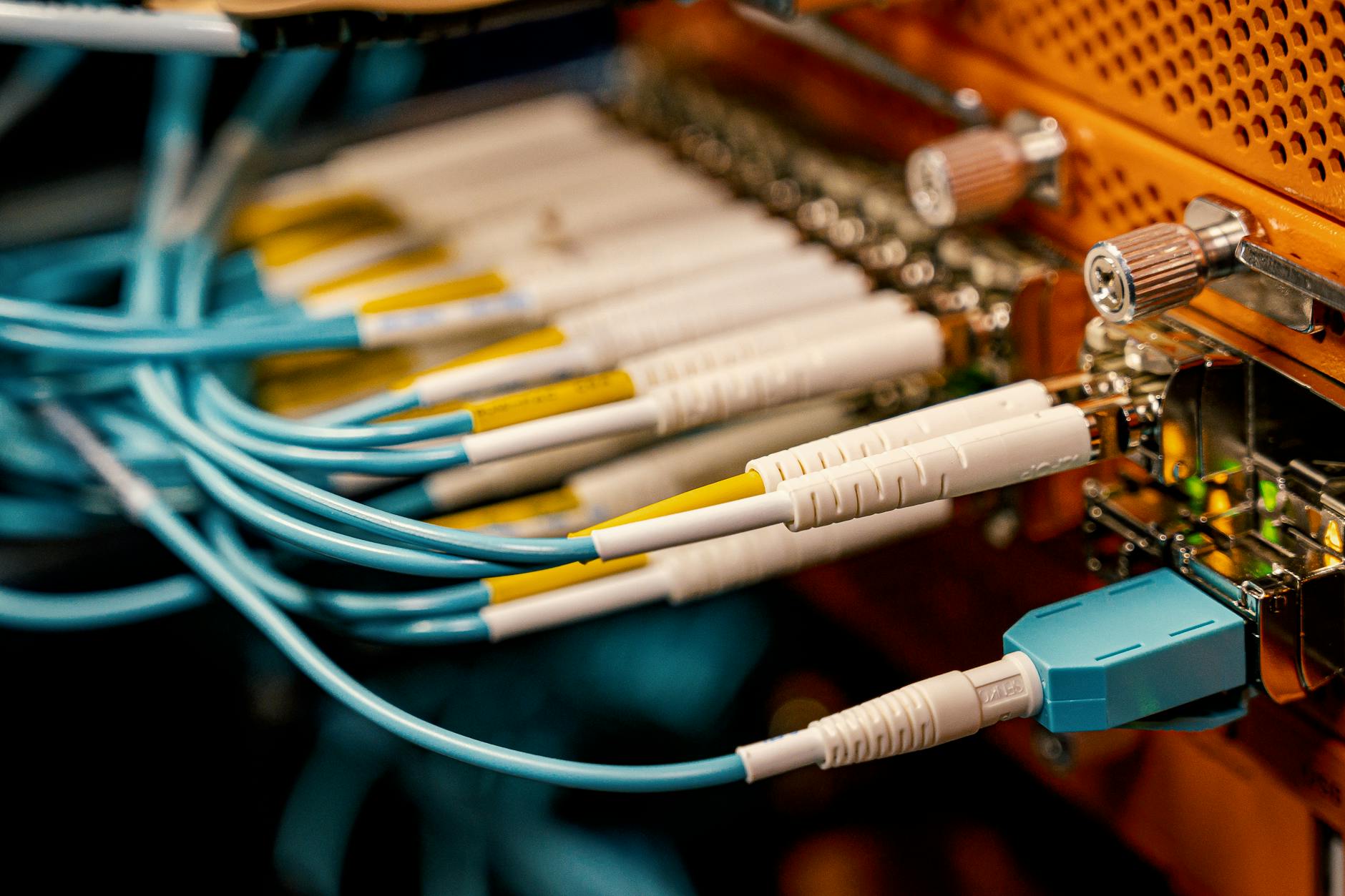
Austin Federa, a former Solana Foundation executive, is launching DoubleZero, a private fiber network designed to level the playing and eliminate latency advantages in decentralized finance (DeFi).
According to a report from coindesk.com, the startup aims to bring the same level of fairness found in traditional stock exchanges to the crypto market. The company's infrastructure focuses on removing the speed advantage gained by traders located near key data centers.
Federa argues that many current DeFi venues are decentralized in governance but fail to be truly distributed in their physical infrastructure. This setup allows traders near specific servers to gain millisecond-level advantages over others.
"Hyperliquid may be a decentralized system from a governance and user perspective, but it is not a distributed system," Federa told CoinDesk. He noted that even when run by different entities, platforms often remain co-located in the same environment.
On platforms like Hyperliquid, for example, traders based in Tokyo can hold a roughly 200-millisecond edge over those located abroad, the outlet reported.
A Wall Street approach to fairness
DoubleZero intends to use a method similar to the one used by the New York Stock Exchange to ensure fair access. Decades ago, the NYSE engineered cable-length equalization to within a nanosecond to prevent asymmetric access from driving traders away.
DoubleZero's solution relies on timestamping. The network aggregates private bandwidth to route blockchain data over dedicated links, providing venues with tools to timestamp orders across global entry points.
This approach aims to make network latency predictable and verifiable. Currently, traders on the public internet cannot distinguish between routine network congestion and deliberate transaction delays.
"Is that true because the public internet drops packets all the time, or is that true because you saw my transaction and said, 'Hey, this guy's pretty good, I don't want to include this block,'" Federa said. He noted that proving the counter-factual is currently nearly impossible.
While DoubleZero cannot overcome the laws of physics, it aims to shrink the variance in latency. A trader in New York routing through the network to reach a Tokyo-based exchange will still be slower than a local competitor, but the gap becomes more predictable.
Federa believes the driver for this change will be market competition rather than regulation. He pointed out that in traditional finance, exchanges maintain fairness because venues that gain a reputation for unfair access lose trading volume to more equitable competitors.
"No one wants to trade on an unfair platform," Federa said.