Bitcoin and ether prices declined on Friday as new macroeconomic data from Japan and escalating geopolitical tensions in the Middle East weighed on cryptocurrency markets, according to coindesk.com.
Bitcoin and ether fell alongside broader crypto assets as traders reacted to rising inflation figures from Japan and potential oil supply disruptions stemming from the Iran war.
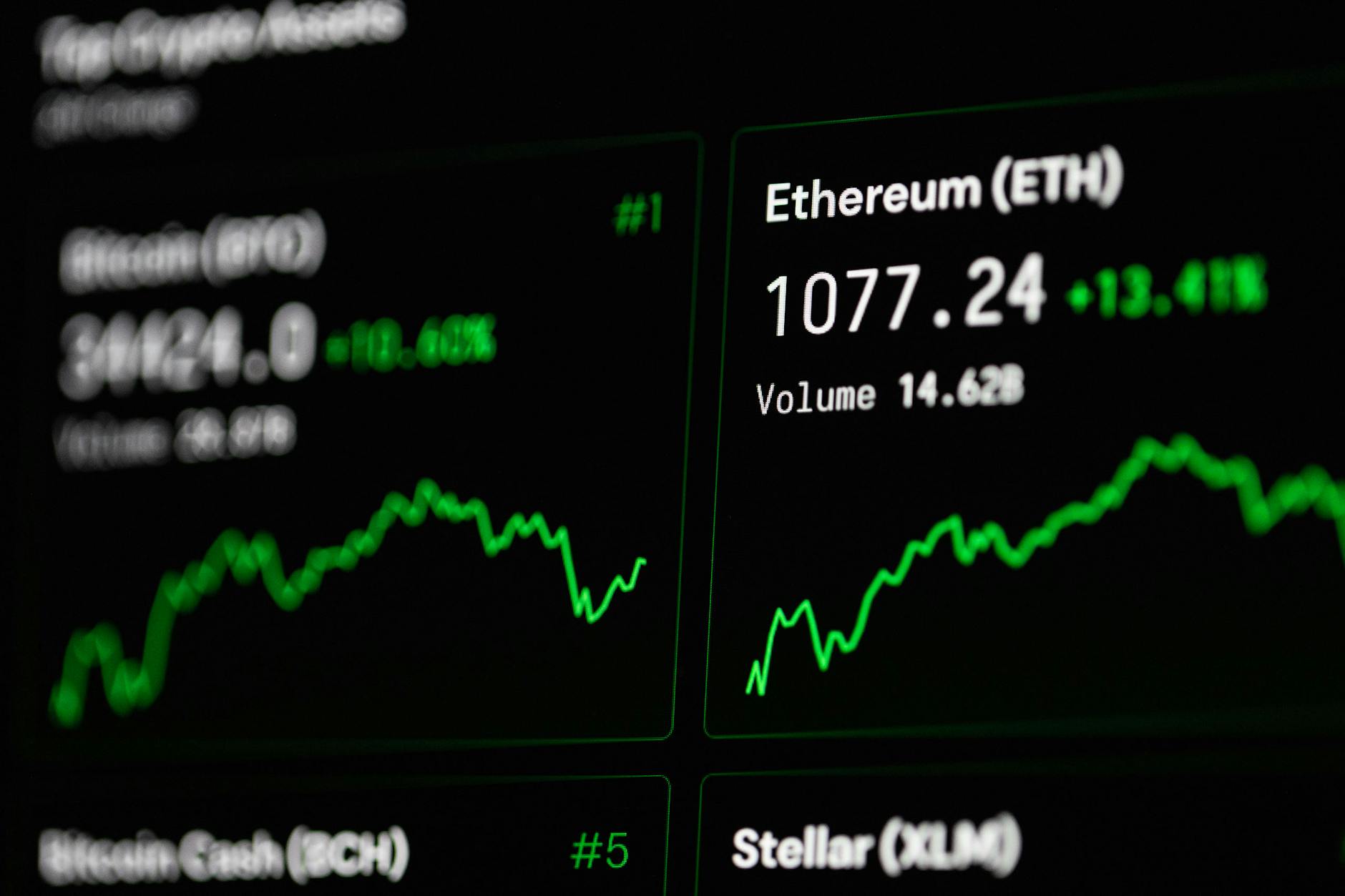
Ether (ETH) traded near $2/300, a 0.8% drop since midnight UTC, slightly underperforming Bitcoin's 0.6% decline, the outlet reported.
Japanese inflation data showed the Corporate Service Price Index (CSPI) rose 3.1% year-on-year in March. This figure exceeded the forecasted 3.0%, signaling persistent price pressures within the nation's services sector.
Core inflation in Japan also rose to 1.8% in March from 1.6% in February, marking the first acceleration in five months. Headline inflation edged up to 1.5% from 1.3%, though it stayed below the Bank of Japan’s 2% target.
Global energy and monetary policy risks
Rising energy costs linked to the Iran conflict are contributing to these inflationary trends. WTI crude futures have surged over 40% to $96 since the onset of the Iran war in late February.
Disruptions to oil shipments through the Strait of Hormuz have intensified. According to Axios, Iran has deployed additional naval mines in the Strait this week.
Shipping traffic through the waterway, which handles 20% of the world’s seaborne oil, has fallen sharply since the conflict intensified. The Pentagon warned lawmakers that clearing mines in the Strait could take at least six months following the end of the war.
These energy-driven inflation risks could complicate efforts by the U.S. Federal Reserve to cut interest rates later this year. The Pentagon cautioned that U.S. inflation could remain elevated.
Market participants are now focused on the upcoming Bank of Japan policy meeting. Analysts at InvestingLive suggested a shift in tone might be imminent.
"The Bank of Japan looks set to hold fire next week but deliver a pointed warning that rates are heading higher, with June firmly in play as war-driven inflation risks build," the analysts said.
A hawkish shift could strengthen the Japanese yen, potentially triggering an unwinding of global risk-asset trades. Historically, the yen has been used to fund purchases of high-risk assets worldwide.
Speculative positioning in the yen is currently bearish, according to the latest CFTC data. A sudden appreciation of the currency could lead to increased risk aversion across global markets.