Spanish satellite technology firm Xoople announced on Monday that it has closed a $130 million Series B funding round. The round was led by Nazca Capital, with participation from MCH Private Equity, the Spanish government-backed CDTI technology development fund, Buenavista Equity Partners, and Endeavor Catalyst.
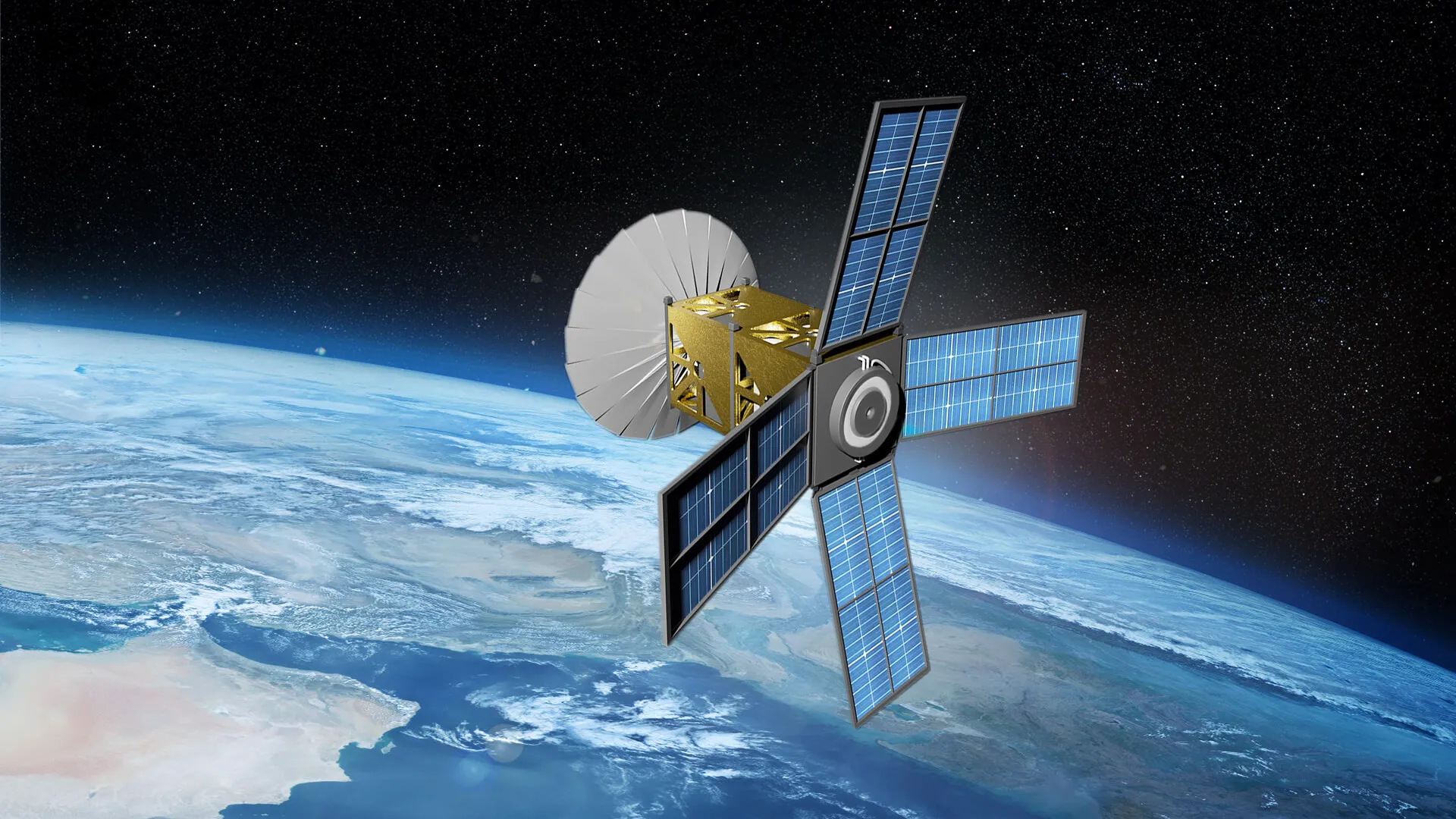
Founded in 2019 and headquartered in Spain, Xoople is building a satellite constellation designed to provide precise Earth observation data for deep learning models. CEO and co-founder Fabrizio Pirondini told the media that the company has now raised a total of $225 million, pushing its valuation into "unicorn" territory.
Strengthening the AI Data Foundation
As demand for high-quality ground-truth data for artificial intelligence continues to surge, Xoople is aiming to fill a critical market gap with its satellite technology. Pirondini noted that the company has spent the last seven years developing a data-processing tech stack and integrating it with cloud service providers to make geospatial data more accessible to enterprises.
To further enhance its monitoring capabilities, Xoople has entered into a partnership with U.S. aerospace and defense contractor L3Harris. Under the agreement, L3Harris will manufacture high-precision sensors for Xoople’s satellites. Pirondini claims that the data streams captured by these sensors will be two orders of magnitude higher in quality than those of existing monitoring systems.
Despite operating in a highly competitive space data market, Xoople maintains that data quality is its core competitive advantage. Established players such as Vantor, Planet, BlackSky, and Europe’s Airbus are already operating satellites and developing AI datasets.
Pirondini remained cautious regarding the specific number of satellites and their orbital parameters, declining to provide further details. He did, however, confirm that the sensors will focus exclusively on optical data acquisition. As AI companies increasingly rely on "ground truth" data sources, Xoople is using this latest funding to accelerate its full-stack R&D, aiming to cement its position in the enterprise-grade geospatial data market.