Microsoft officially opened its annual Build developer conference in San Francisco on June 2, 2026, centering this year’s agenda almost exclusively on the expansion of its artificial intelligence ecosystem. According to The Verge, the event serves as a strategic bridge between recent announcements from Google and the upcoming Apple WWDC, emphasizing Microsoft's push to diversify its AI infrastructure beyond OpenAI.
Central to the keynote was the introduction of 'Scout,' an always-on personal assistant built on the open-source OpenClaw platform. The Verge reports that Scout is designed to operate in the background of Microsoft 365 applications, including Outlook, OneDrive, and Teams. The assistant is intended to automate complex organizational tasks such as expense reporting, email management, and calendar coordination. While currently limited to a desktop preview for select US Frontier customers, Microsoft confirmed plans to expand access to a broader user base in the future.
Hardware and Developer Infrastructure
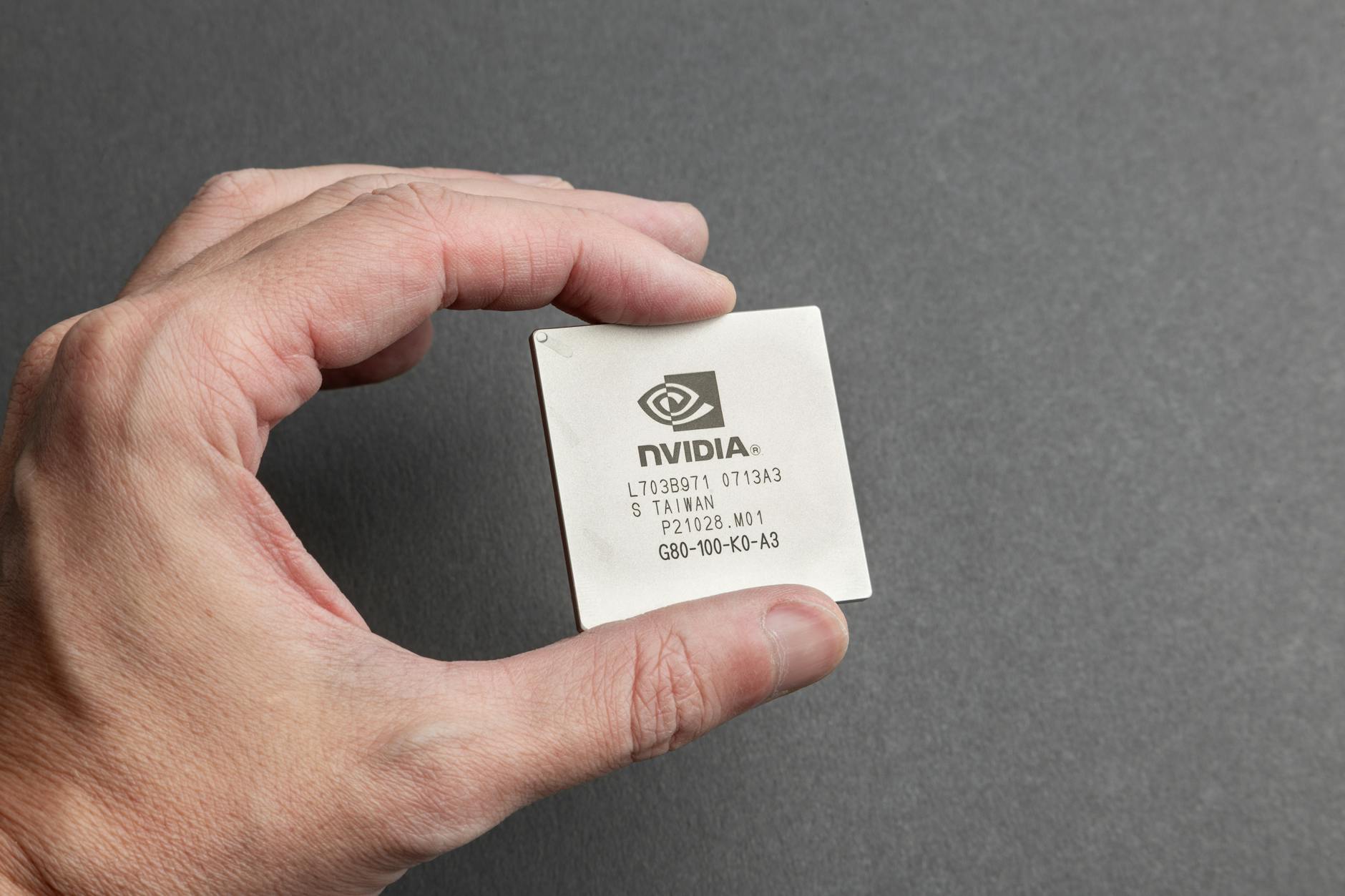
Beyond software, Microsoft introduced the Surface RTX Spark Dev Box, a hardware solution tailored for developers building local AI models. The device replaces Qualcomm’s canceled dev kit and features Nvidia’s new Arm-based Spark RTX chip paired with 128GB of unified memory. The Verge notes that the unit ships with a preconfigured version of Windows 11 Pro, optimized for a simplified user experience by removing widgets and defaulting to dark mode. Pricing and full technical specifications remain undisclosed, though the company confirmed a US release is scheduled for later this year.
Microsoft also introduced significant updates to the Windows development environment. The company is incorporating 'Coreutils' to allow native Linux-like command-line utilities on Windows 11 and is expanding the Windows Subsystem for Linux (WSL) to support interacting with Linux containers. These tools will be bolstered by a new 'Intelligent Terminal' designed to provide context-aware feedback from AI agents.
During the keynote, leadership also showcased 'Project Solara,' an Android-based operating system developed in partnership with Qualcomm and MediaTek. The system is designed to facilitate cross-device agent handoffs, with Microsoft demonstrating the technology on prototype hardware including a digital desktop hub and a wearable badge.
Finally, Microsoft debuted seven proprietary AI models, marking a shift toward internal development. The flagship addition is 'MAI-Thinking-1,' which the company describes as its first reasoning model. With 35 billion active parameters and a 128K context window, the model is built specifically for complex multi-step reasoning, long-context analysis, and automated code generation.