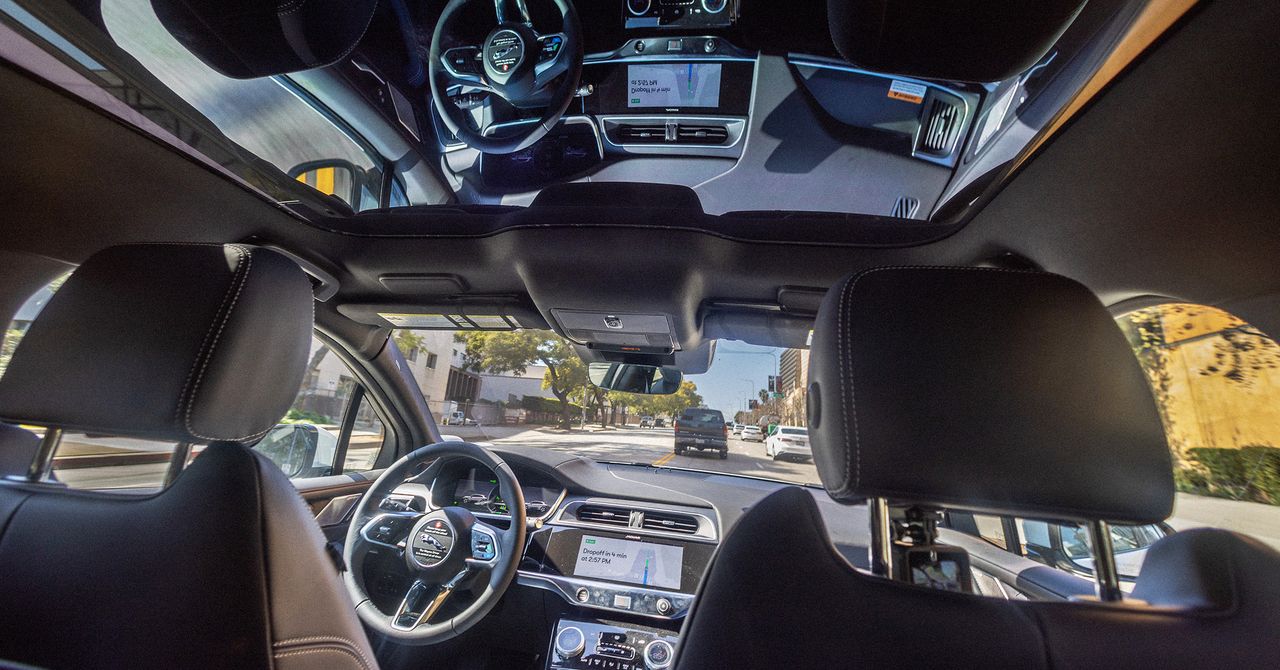
Robotaxis Finally Challenge Uber on Price and Speed in San Francisco
The future of urban transportation is accelerating faster than many anticipated. In San Francisco, the battleground for next-generation mobility, autonomous vehicles are no longer just expensive novelties—they're becoming legitimate competitors to traditional ride-hail services.New data from ride-hail aggregator Obi reveals a dramatic shift in the robotaxi landscape. Waymo, Alphabet's autonomous vehicle subsidiary, has significantly narrowed the price gap with human-driven alternatives. Where Waymo rides once cost 30-40% more than Uber and Lyft just months ago, that premium has shrunk to 13% over Uber and 27% over Lyft as of late 2024.Perhaps more importantly, Waymo has achieved parity—and sometimes superiority—in wait times, historically a major weakness for autonomous services. "Consumers don't like to wait. It's an on-demand service for a reason," notes Obi CEO Ashwini Anburajan. "Seeing wait times come down creates a more equal playing field between all three."The convergence is most pronounced for longer trips, where Waymo charges $3.67 per kilometer compared to Uber's $3.60 and Lyft's $3.14 for mid-distance journeys. This timing coincides with Waymo's expansion onto highways in November, expanding its operational envelope significantly.Tesla's entry into the Bay Area market presents an intriguing counterpoint. Operating with fewer than 200 vehicles across 400 square miles, Tesla's service maintains human drivers while utilizing its Full Self-Driving (Supervised) technology. The trade-off is stark: 15-minute average wait times but dramatically lower prices in the $7.50-$8 range—reminiscent of ride-hail's early, heavily subsidized era.This pricing strategy appears designed for market penetration rather than profitability. "It's a smart move on Tesla's part to quickly build brand awareness," Anburajan observes, suggesting the company is conditioning users for an eventual transition to fully autonomous operations.The implications extend beyond San Francisco. As autonomous vehicles achieve cost and time parity with traditional services, we're witnessing the early stages of a fundamental transformation in urban mobility. The technology that once seemed purely aspirational is rapidly approaching commercial viability, potentially reshaping not just how we travel, but the entire economics of urban transportation.Analysis based on data from ride-hail aggregator Obi, as reported by WIRED.