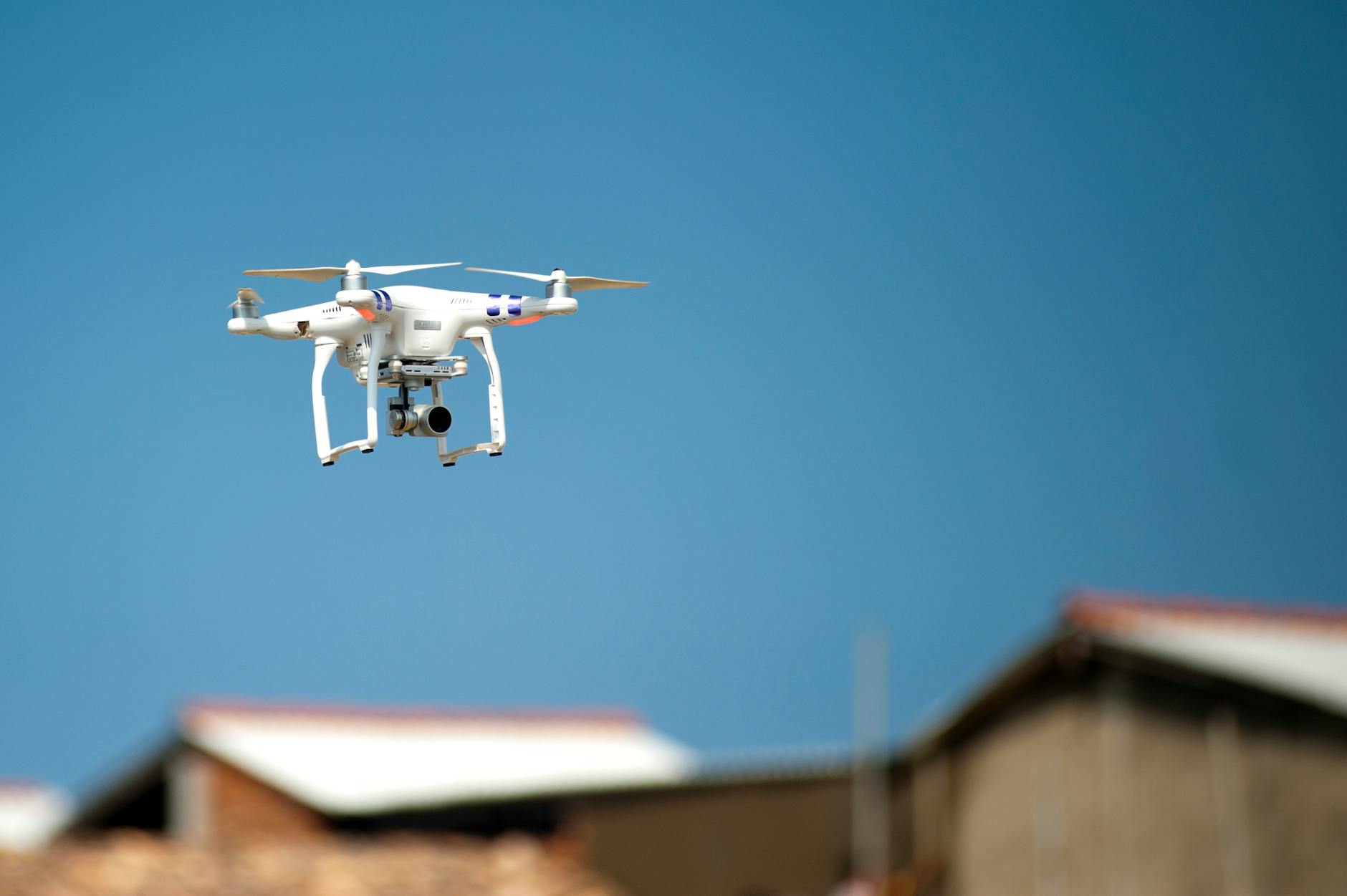
In a significant regulatory shift that redefines the boundaries of public airspace, the Federal Aviation Administration (FAA) has implemented a nationwide security notice establishing fluid, dynamic no-fly zones tethered directly to the movements of Immigration and Customs Enforcement (ICE) and the broader Department of Homeland Security (DHS).
Designated under NOTAM FDC 6/4375, this new mandate effectively creates a constantly shifting sphere of restricted airspace around DHS mobile assets, including ground vehicle convoys and their protective escorts. The prohibition extends 3,000 feet laterally and 1,000 feet vertically from any covered asset or facility. Crucially, unlike traditional Temporary Flight Restrictions (TFRs) tied to fixed coordinates or specific times, this exclusion zone moves with the operation, transforming public airspace into potential—and invisible—restricted territory.
The FAA has classified this as ‘national defense airspace,’ leveraging federal security statutes. The implications for commercial, recreational, and journalistic drone operators are profound. Because the FAA does not publicly track the real-time movements of ICE or other DHS units, operators risk unknowingly violating the restriction simply by flying legally in an area where a convoy passes nearby.
This update explicitly clarifies that the restriction applies to moving assets, a significant departure from prior notices that focused mainly on fixed facilities. This ambiguity presents a major challenge for adherence. Violators face a spectrum of consequences, ranging from civil penalties and loss of operating privileges to criminal prosecution. Furthermore, the notice warns that drones deemed a credible security threat may be intercepted, seized, or destroyed.
While limited exceptions exist for operations directly supporting national defense, emergency response, or law enforcement with prior coordination, the general guidance for the public is vague: operators are simply instructed to 'exercise caution.' For a technology increasingly integrated into infrastructure inspection and media coverage, the introduction of invisible, mobile exclusion zones necessitates a rapid evolution in situational awareness tools and operational protocols. This action underscores the growing tension between the imperative of national security operations and the accessibility of the lower airspace.
Source: aerotime.aero