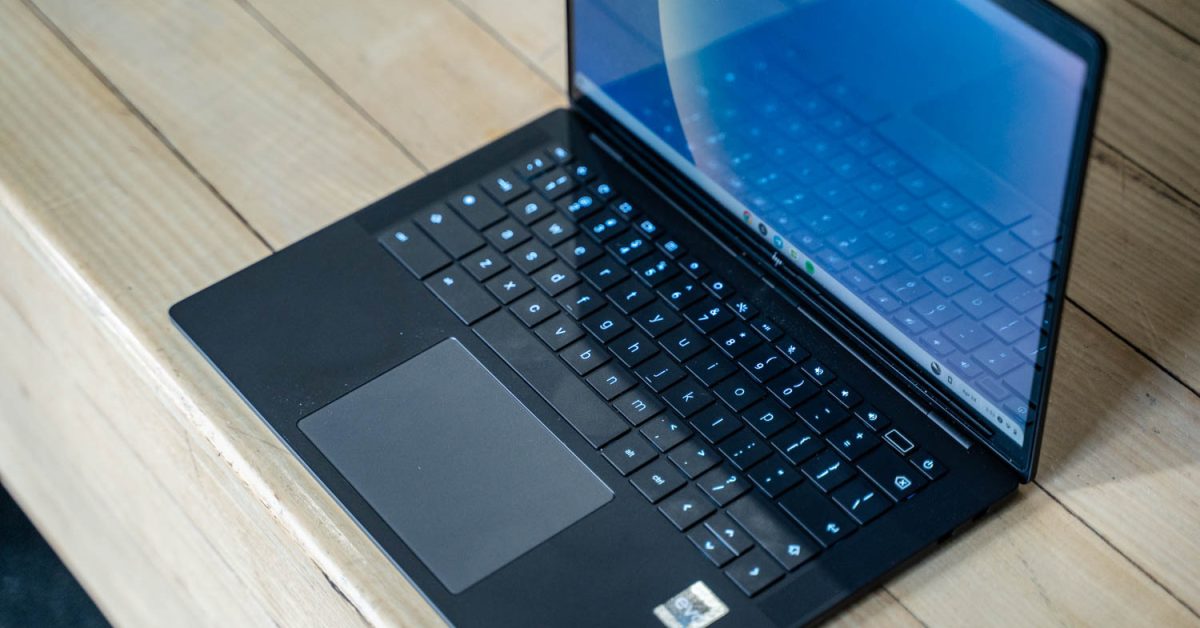
The digital veil has momentarily lifted on Google's long-anticipated evolution of Android for large form factors. A seemingly accidental disclosure on the Chromium Issue Tracker—tied to a bug report for Incognito tabs—offered concrete visual evidence of the platform's dedicated desktop mode, currently operating under the internal designation 'ALOS' (Aluminum OS).
This early glimpse was captured on HP Elite Dragonfly hardware, indicating that Google is leveraging existing, powerful Chromebook infrastructure for development. The system running on this Alder Lake-U processor is reportedly Android 16, signaling that this enhanced desktop experience is slated for a significant future release cycle, likely integrated deeply into the OS kernel.
Key interface changes are immediately apparent. The status bar has been noticeably deepened, optimized for monitor real estate rather than a mobile profile. It now displays time alongside seconds, and the system tray features a modern array of icons, including a dedicated Gemini access point, a notification bell, and a screen recorder pill, suggesting a move toward macOS-like persistent status interactions.
Crucially, the leaked footage showcases Google Chrome running with an integrated Extensions button—a feature traditionally confined to desktop-class browsers. This integration solidifies the intent to treat Android apps as true desktop applications, moving beyond simple mirrored phone UIs. Windowing management, while largely familiar with ChromeOS-style minimize/close buttons, appears robust for split-screen multitasking.
While the taskbar remains familiar, the subtle modification to the mouse cursor—now featuring a distinct tail—points to granular attention to desktop peripheral interaction. This suggests Google is dedicated to refining the precision required for mouse and trackpad navigation, a critical differentiator from current tablet projections.
This leak confirms that the convergence strategy is accelerating. By integrating desktop-native functionalities like persistent extensions directly into the core Android experience, Google is positioning Android 16 not just as a mobile successor, but as a competitive operating system for productivity environments, bridging the gap between mobile flexibility and workstation capability.
We await further official confirmation, but the evidence suggests that Android's desktop trajectory is solidifying into a unified, capable environment, moving past the compromises of earlier large-screen iterations, as reported by 9to5Google.