Amazon's Alexa+ Rollout: The AI Assistant Users Didn't Ask For
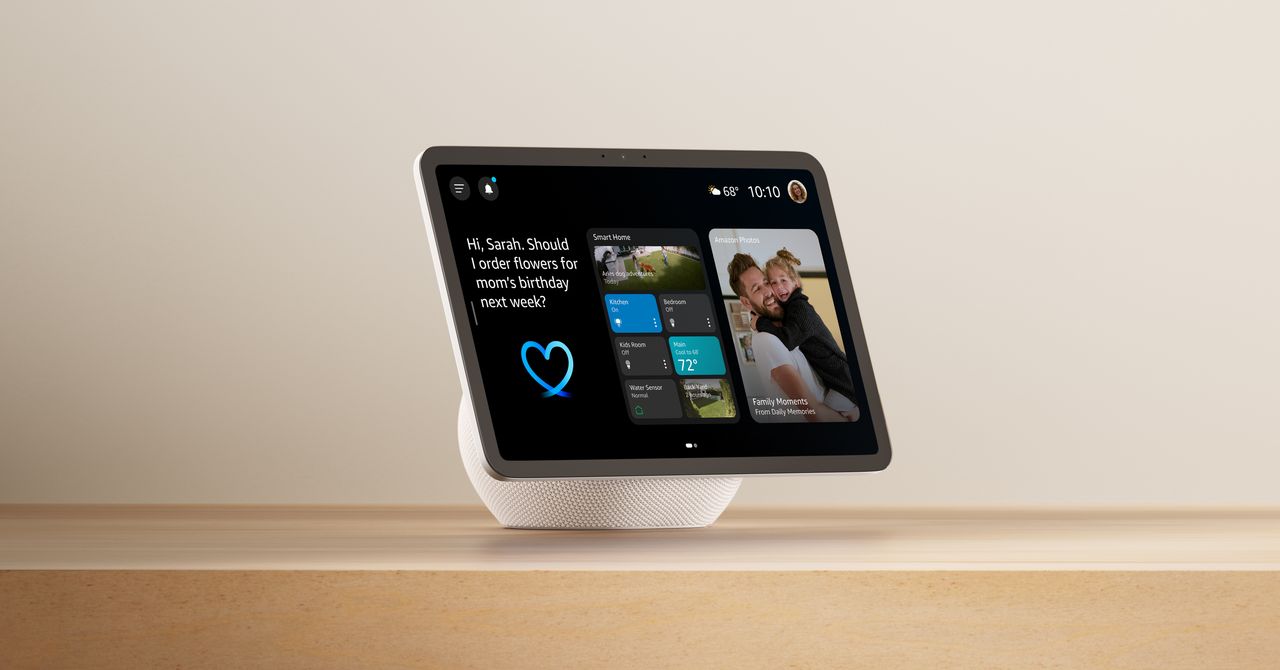
Amazon's ambitious push to modernize its voice assistant ecosystem has hit an unexpected snag: users who simply don't want the upgrade. The company is now automatically rolling out Alexa+ to Prime subscribers, even those who explicitly declined the AI-powered assistant, marking a significant shift in how tech giants deploy next-generation AI services.The forced migration represents Amazon's most aggressive attempt yet to transition users from its original Alexa to the AI-enhanced Alexa+, which launched in early access nearly a year ago. Unlike traditional software updates, this isn't just a feature enhancement—it's a fundamental reimagining of how users interact with their smart home ecosystem.Alexa+ promises more conversational responses and sophisticated natural language processing, positioning itself as a chatbot you can talk to rather than a digital butler you command. For Echo Show users, conversations now appear as text chats similar to ChatGPT, representing Amazon's clear intention to compete directly with conversational AI platforms.However, the rollout has generated significant user pushback, particularly regarding Alexa+'s new default voice. Critics have dubbed it the 'sassy teenager' voice—a more youthful, upbeat tone that some users find intolerable. One Wired staffer reported that after repeatedly declining the upgrade, she woke up to find her Echo Dot had been automatically switched to Alexa+, greeting her with the new voice she had actively avoided.'Alexa+ is significantly more capable than the original Alexa, so we're working to make it available to as many customers as possible,' an Amazon spokesperson explained, emphasizing that customers were notified about the upgrade and provided instructions for reverting.The technical implications extend beyond voice preferences. While Amazon touts improved conversational abilities, early users report mixed experiences with core functionality. Weather reports, for instance, become confined to chat-style displays rather than full-screen presentations, potentially degrading user experience for routine tasks.For users seeking to revert, Amazon has provided an escape route: simply saying 'Alexa, exit Alexa Plus' switches back to the original experience. However, even this rollback isn't quite what it seems—users report that the original voice has been subtly modified, suggesting Amazon has updated its entire voice infrastructure to support the new conversational paradigm.The pricing strategy reveals Amazon's long-term monetization plans. While Alexa+ remains free for Prime members during early access, non-Prime users will face a $20 monthly subscription once the service officially launches. This represents a significant shift from Amazon's traditional model of offering basic Alexa services without additional fees.The rollout strategy also highlights broader tensions in AI deployment. As tech companies race to integrate large language models into consumer products, they face the challenge of balancing innovation with user choice. Amazon's approach—essentially forcing upgrades while providing opt-out mechanisms—may become a template for how other companies navigate similar transitions.Looking ahead, Amazon has yet to announce when Alexa+ will exit early access and launch as a complete product. Given the nearly year-long development cycle and ongoing user feedback, a full launch likely won't occur until 2027, providing more time for Amazon to refine the experience and address user concerns.This forced migration represents more than just a product update—it's a glimpse into how AI companies plan to transition mainstream users to next-generation interfaces, whether users want them or not. As the AI revolution accelerates, the balance between innovation and user autonomy will likely become an increasingly critical battleground.Source: Wired