Amazon is pushing Alexa+ to Prime users without consent, featuring a controversial new voice many describe as 'sassy teen.' Users can revert, but the original Alexa isn't quite the same.
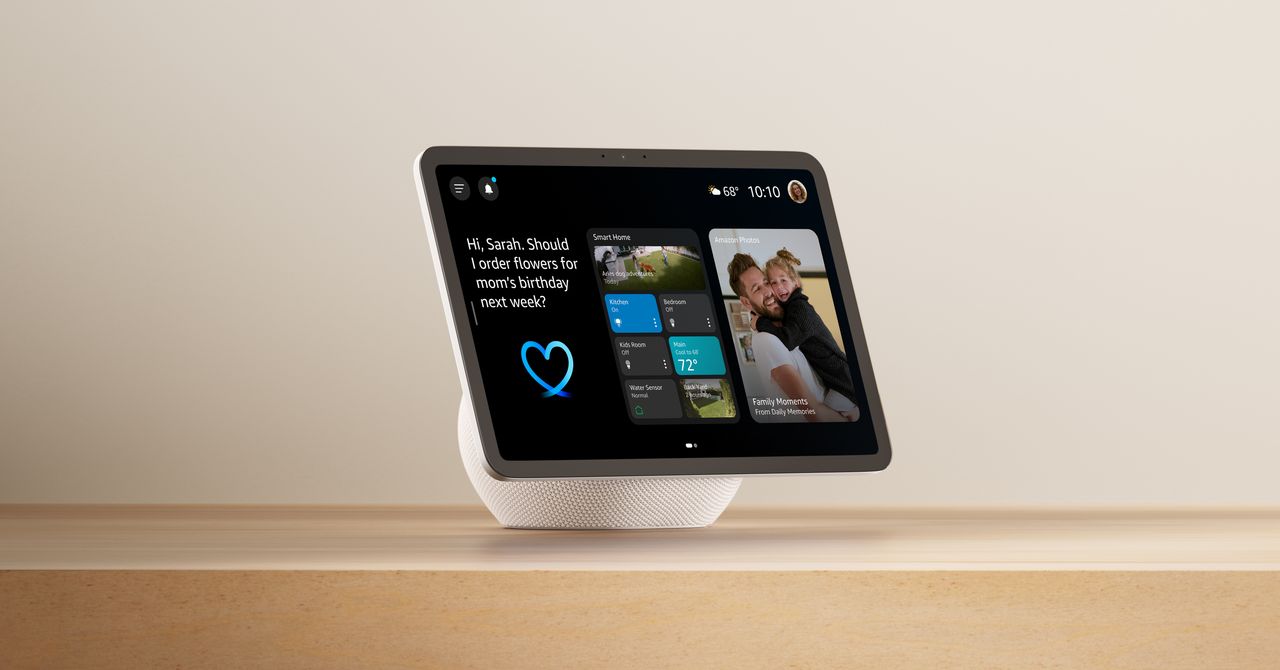
Amazon's aggressive rollout of Alexa+ is creating friction with users who find themselves involuntarily upgraded to the AI-powered assistant, complete with what many describe as a "sassy teenager" voice that has sparked widespread criticism across social media platforms.The tech giant announced at CES that Alexa+ would expand to browser access for Early Access users, but the company quietly began pushing the upgrade to Prime subscribers' devices without explicit consent. One WIRED staffer reported repeatedly declining the upgrade, only to wake up one morning to find her Echo Dot had been forcibly switched to the new assistant with its dramatically different voice."Alexa+ is significantly more capable than the original Alexa, so we're working to make it available to as many customers as possible," an Amazon spokesperson told WIRED, emphasizing that customers were notified about the upgrade and how to revert it.The new Alexa+ represents Amazon's attempt to compete directly with ChatGPT and other conversational AI platforms. It promises more natural dialogue, better comprehension of complex requests, and transforms Echo Show devices into chat-like interfaces. For Prime members, it's currently free, though non-Prime users will face a $20 monthly fee once it officially launches.However, the transition hasn't been smooth. The default "Feminine 1" voice, described by Amazon as "upbeat," has been widely criticized for its youthful cadence that many perceive as sarcastic or condescending. The voice selection has become so controversial that users are actively seeking workarounds.Fortunately, reverting is straightforward. Users can simply say "Alexa, exit Alexa Plus" to return to the original experience. But even the classic Alexa isn't entirely unchanged—users on Reddit and tech forums report subtle modifications to the traditional voice's inflections, suggesting Amazon has updated the underlying voice technology across both versions.The rollout reveals interesting strategic tensions within Amazon's AI ambitions. While Alexa+ offers expanded capabilities and cross-platform availability through browsers, it also introduces more aggressive advertising during active conversations—a departure from the original Alexa's approach of limiting ads to rotating slideshows.Display functionality has also changed significantly. Weather reports, for instance, appear as constrained chat bubbles in Alexa+ rather than the full-screen, multi-page displays users expect from the original version. These interface changes suggest Amazon is prioritizing conversational consistency over information density.The timing of this rollout is particularly significant as it positions Amazon more aggressively against OpenAI and Google in the consumer AI space. By making Alexa+ free for Prime subscribers while charging competitors like ChatGPT require separate subscriptions, Amazon is leveraging its existing ecosystem to drive adoption.Yet the forced migration strategy risks alienating users who value choice and consistency in their smart home experiences. As voice assistants become increasingly central to connected home ecosystems, user autonomy over these interfaces becomes more critical.Amazon hasn't provided a timeline for when Alexa+ will exit Early Access and become the default experience. Given that the current version has been in development for nearly a year, industry observers expect the full launch may not arrive until 2027, allowing Amazon time to address user feedback and technical limitations.For now, the controversy highlights a broader challenge facing tech companies: balancing innovation with user agency as AI becomes more pervasive in daily life.