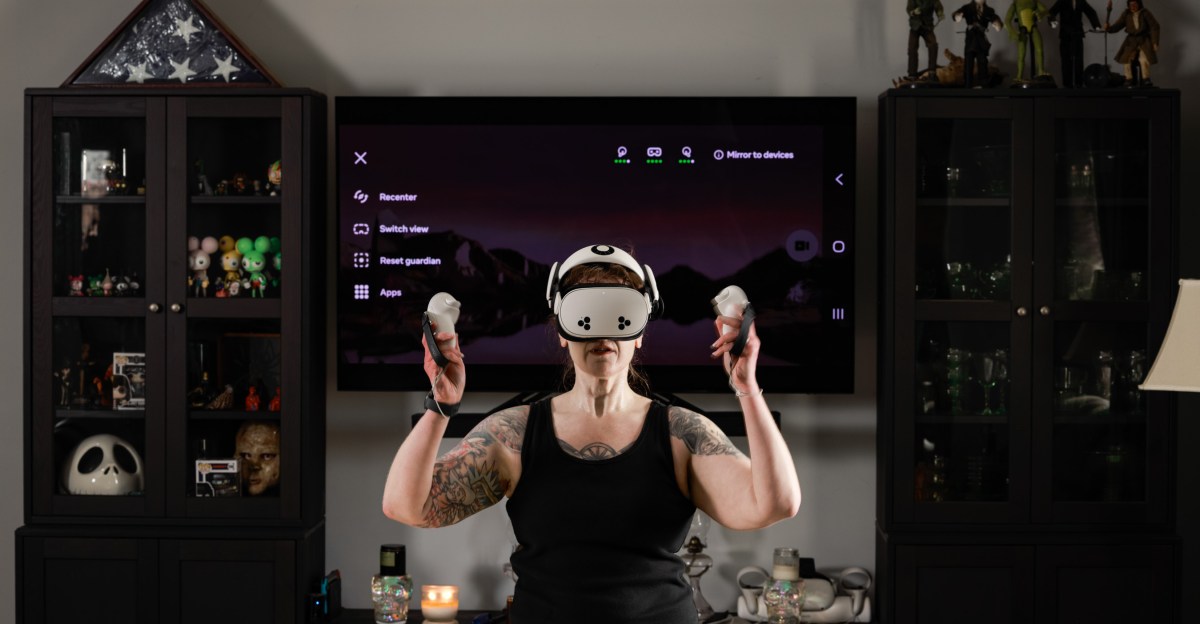
Users of the VR fitness application Supernatural are mobilizing online to oppose Meta's recent decision to halt all new content creation for the service, according to reports from The Verge. The fitness app, which blends rhythm gaming with structured workouts, thrived due to its continuously updated library of music and choreography, a feature now discontinued following layoffs in Meta's Reality Labs division.
Sherry Dickson, a 69-year-old retired teacher and dedicated Supernatural user, is leading a social media campaign seeking to save the application from obsolescence. Supernatural functions similarly to rhythm games like Beat Saber but integrates dance-like flows, boxing, and meditation guided by charismatic virtual coaches. The core appeal, like other connected fitness platforms, resided in fresh content keeping users engaged long-term.
Shutting down content production effectively acts as a kill switch for a service reliant on novelty, leaving devoted users feeling betrayed. The game's Facebook group boasts over 110,000 members, and a Change.org petition demanding reconsideration has garnered more than seven thousand signatures. Many users expressed profound grief over the termination of the service that fostered their physical health routines.
Analysis of the user base reveals that Supernatural significantly captured demographics often overlooked by mainstream fitness tech, specifically women, individuals over fifty, and those with limited mobility. These users found a non-intimidating environment within the headset where they could exercise without judgment regarding age or physical limitations, reports indicate.
Some community members, like Regina Lynn, draw correlations between Meta's corporate actions and broader societal issues, expressing strong dissatisfaction with the company's priorities. Within, the independent studio acquired by Meta that built Supernatural, focused on meaningful creative projects, contrasting with the perception of Meta’s market dominance goals.
For many athletes, Supernatural transcended mere software; it became a vital social hub, facilitating friendships across geographical distances through its multiplayer features. Users like Dickson and DeeDee Henry formed strong bonds through joint workouts, highlighting the platform's success in cultivating genuine human connection within a virtual space.
This intense reaction underscores the value proposition of niche, high-engagement applications that Meta acquired but subsequently deprioritized during restructuring. The community is fighting to protect an accessible health tool that served as a lifeline for many dealing with illness, injury, or the difficulty of traditional gym environments.
Looking ahead, the pressure campaign highlights a recurring tension in the metaverse sector: balancing long-term platform investment against immediate profitability metrics. The fate of Supernatural now rests on whether user advocacy can influence Meta's strategic direction regarding its existing, successful content portfolio.