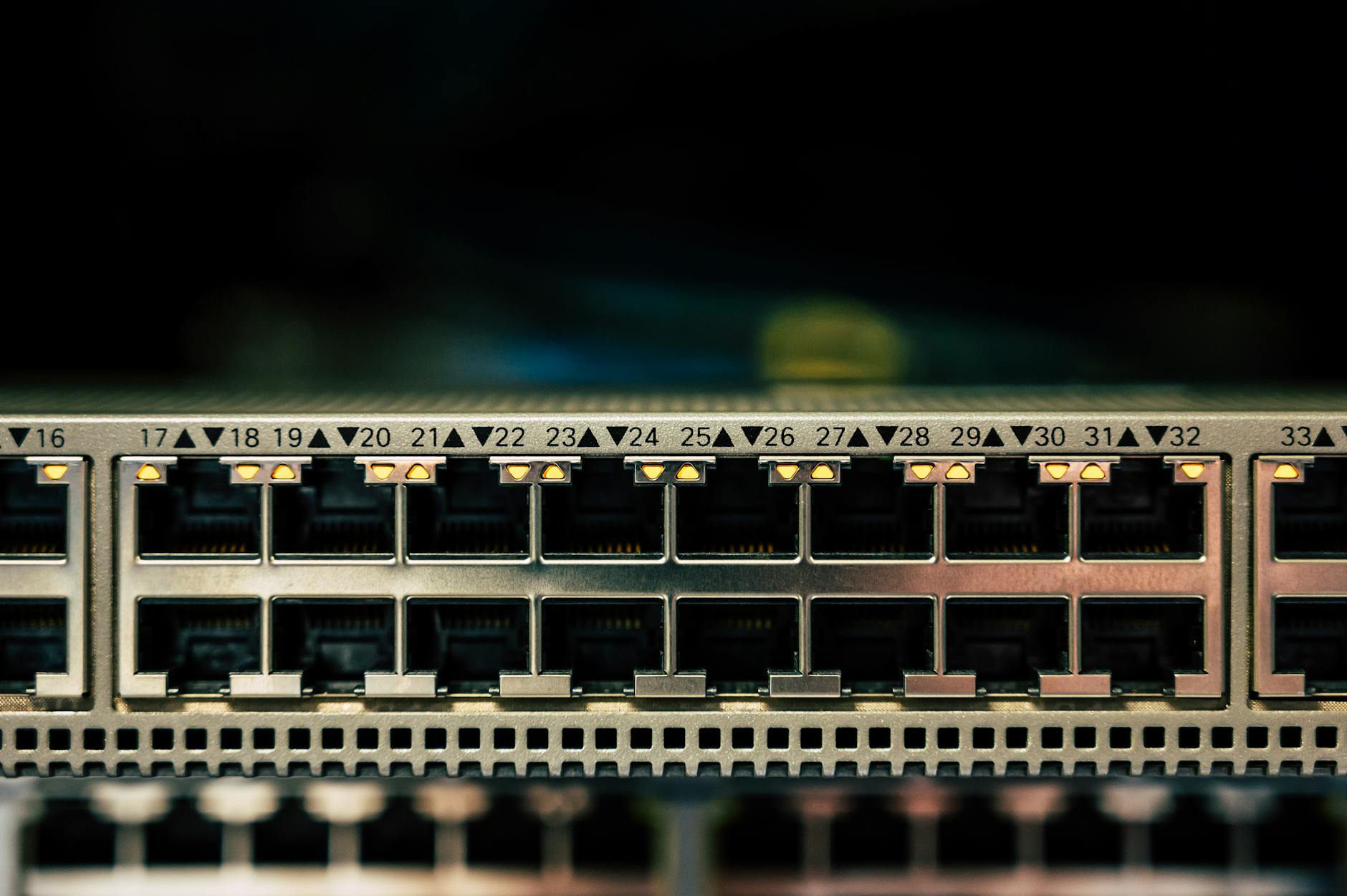
The American government recently revealed a policy effectively banning the import of new consumer router models. This move has prompted tech enthusiasts to explore building their own networking hardware using Linux. The shift highlights growing concerns over supply chain restrictions and consumer hardware availability.
Hardware and Software Requirements
Technological experts suggest that standard computers can replace dedicated router appliances. A Linux-powered mini-PC or even an older laptop can function as a robust gateway. Hardware selection remains flexible as long as the device supports Ethernet interfaces and runs Linux efficiently.
Personal preference leans toward purpose-made mini PCs with passive cooling designs. However, almost any computing device with basic connectivity can handle the routing task. A dual-core processor running at 1.5 GHz is sufficient to manage traffic for an entire household.
Configuration involves installing Debian or Alpine Linux with specific networking tools. Utilities such as hostapd, dnsmasq, and bridge-utils handle wireless access and address assignment. The system requires minimal additional packages beyond the base operating system installation.
Configuration and Security
Security is managed through the nftables framework within the Linux kernel. Standard firewall rules deny inbound traffic while allowing established connections. Network Address Translation ensures internal devices remain protected from external threats.
Performance benchmarks indicate speeds reaching 820 megabits per second on wired connections. Wireless throughput typically hovers around 300 megabits per second depending on hardware. While not matching enterprise-grade equipment, the setup serves most residential needs.
The author noted the policy is ridiculous for many reasons regarding consumer choice. "This is ridiculous for many reasons," the author wrote in the original post. Users gain flexibility to repurpose existing devices rather than purchasing new equipment.
Broader implications suggest a trend toward self-reliant technology management. Regulatory changes often drive innovation in open-source communities. Continued monitoring of import policies will determine the longevity of this workaround.
As the policy potentially takes effect, users must weigh stability against regulatory compliance. Technical literacy becomes a significant factor in maintaining network uptime. The community continues to document best practices for these homebrew configurations.
Future Implications
Network infrastructure democratization removes reliance on commercial router vendors. It demonstrates that routers are fundamentally computers subject to the same hardware constraints. Users can maintain connectivity even when standard supply chains face disruption.
Future developments might require broader protocol support as the industry evolves. IPv6 integration presents additional complexity for smaller home setups. Continued growth in open-source networking tools will support these independent initiatives.