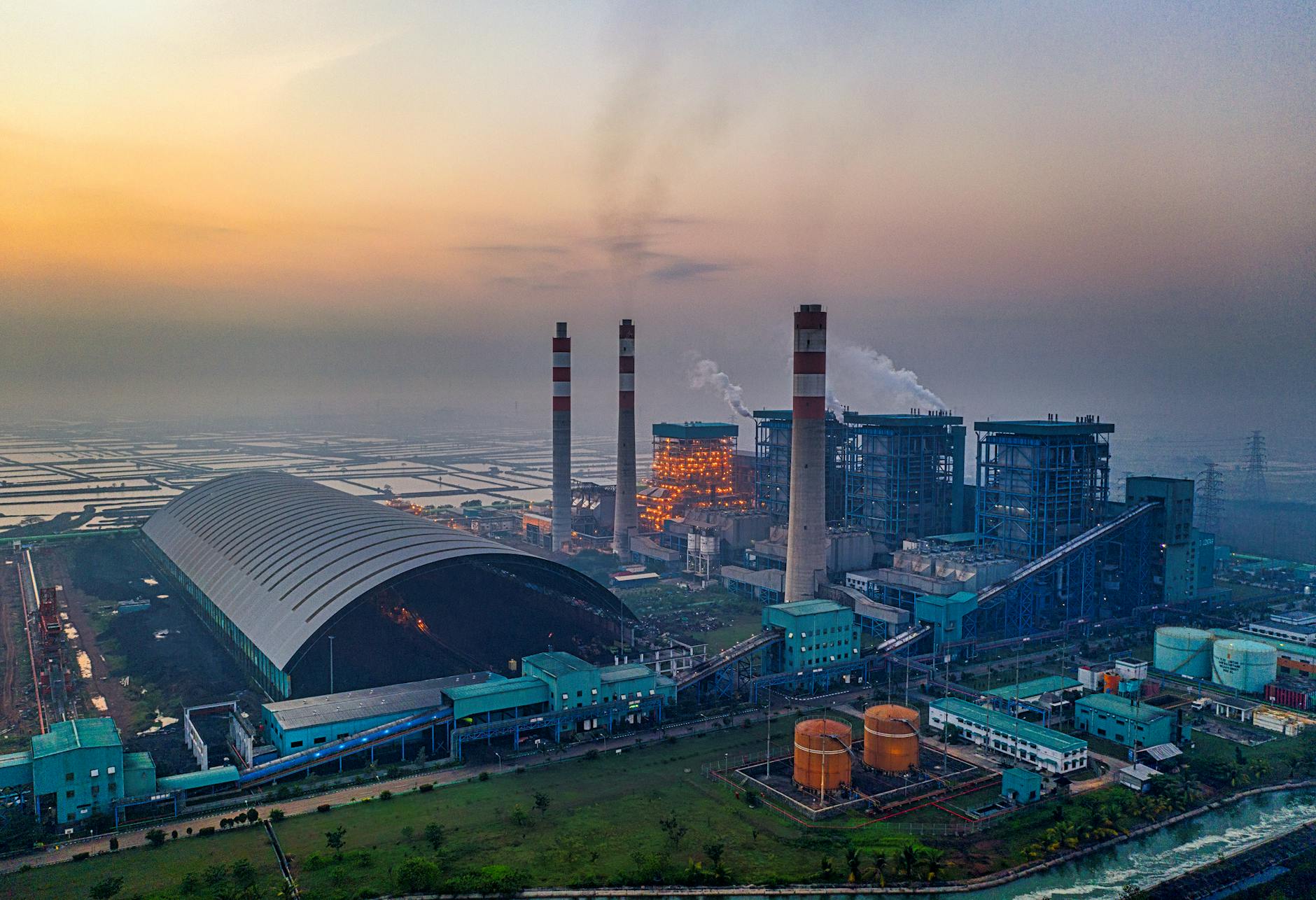
A massive surge in US datacenter construction is preventing the retirement of aging coal plants and accelerating the expansion of natural and gas infrastructure, according to new research from several environmental nonprofits.
Reports published by the US PIRG Education Fund, Environment America Research & Policy Center, and Frontier Group indicate that the demand for power—driven largely by AI and high-intensity computing workloads—is slowing the transition to a cleaner energy grid.
As reported by The Register, the energy needs of these facilities have pushed electricity demand upward after years of relatively flat growth. This shift is forcing utilities to maintain fossil-fuel-burning generators to avoid power shortages.
In Omaha, for instance, power company officials determined that decommissioning coal-burning generators at the North Omaha plant would risk local power shortages due to rising demand from nearby server farms.
Gas capacity surge
The research paper 'Energy Transition at Risk' uses US Energy Information Administration data to show a significant slowdown in coal plant retirements. Roughly 40 percent of the coal retirements or fuel switches scheduled to occur by the end of 2025 have not yet taken place.
If coal retirement had continued at the 2022 rate, the outlet reported that all scheduled plants would have been shut down by 2040. Under current trends, these plants are expected to remain in operation until 2065.
Simultaneously, natural gas capacity is seeing a massive influx. As of December 2025, while 13.2 GW of gas generator capacity is scheduled to retire by 2030, a staggering 41.8 GW of new gas plants are set to be added to the grid.
Because new gas-fired infrastructure typically has a lifespan of 30 to 40 years, the reports suggest the US is locking in decades of fossil fuel reliance even as renewable energy grows.
Beyond the grid, the reports highlight a rise in on-site power generation at datacenter campuses that have been unable to secure immediate grid connections. This trend contributes to a second issue detailed in the paper 'Fossil fuel power plants are staying online longer - that means dirtier air.'
The study identifies 15 'zombie power plants' kept online past their planned retirement dates. These facilities released nearly 65 million metric tons of greenhouse gas emissions in 2023, a figure exceeding the total net emissions of Massachusetts in 2022.
These extended operations are linked to increased levels of sulfur dioxide (SO2) and nitrogen oxides (NOx). These pollutants contribute to fine particle pollution and ground-level ozone, posing direct threats to human health.