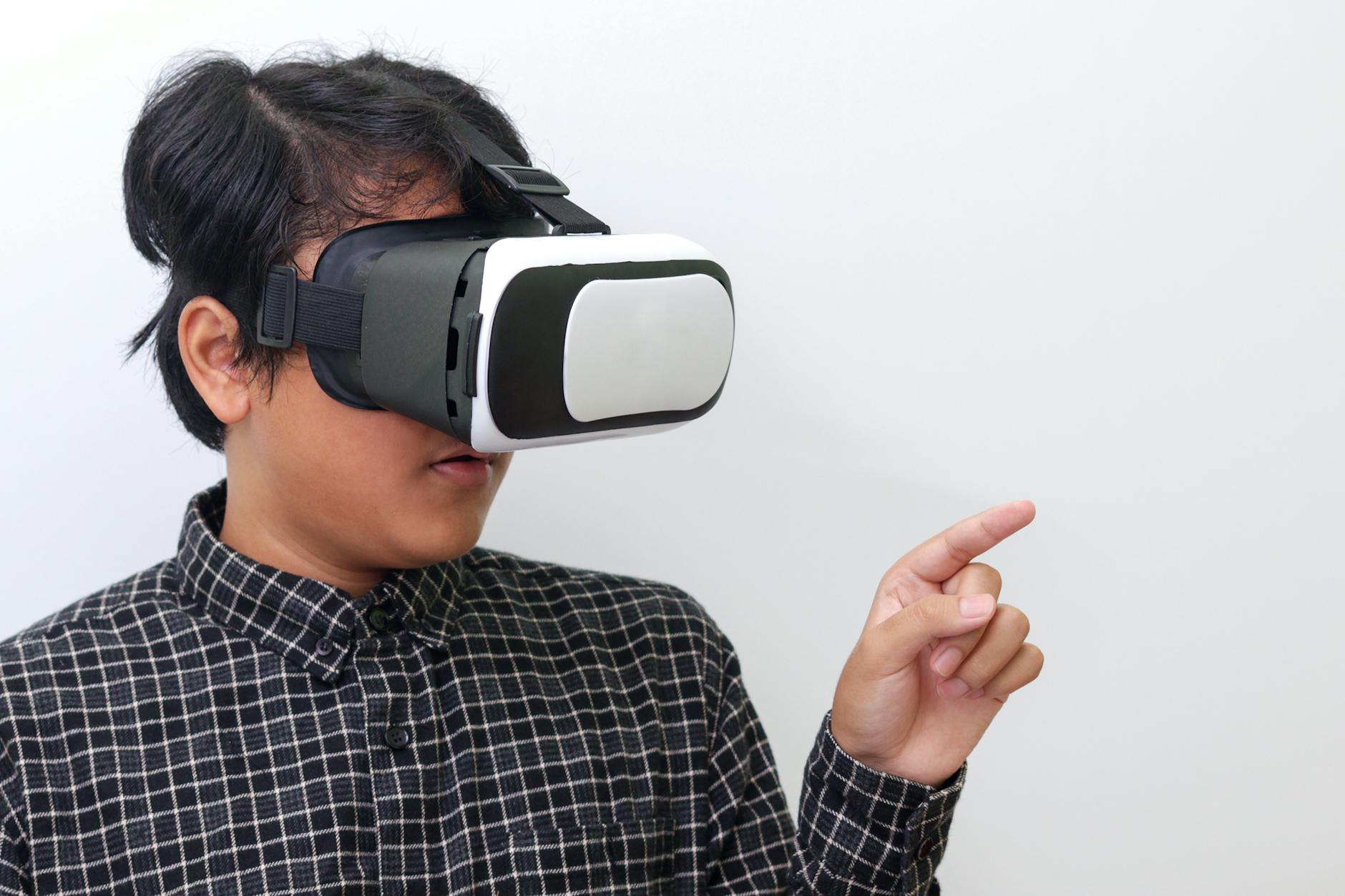
The future of the metaverse hinges on the convergence of wearable augmented reality (AR) and compelling software, according to a recent analysis by theregister.com.
Writing for the outlet, a former developer of networked consumer VR systems for Sega argues that the industry's focus on bulky virtual reality (VR) headsets is a mistake. The author contends that the path to widespread adoption leads through AR, which keeps users grounded in the real world.
While VR often triggers motion sickness, AR provides a more tolerable way to overlay digital information onto physical reality. However, this transition requires a significant trade-off in privacy.
The surveillance paradox
Effective AR requires continuous environmental mapping, which necessitates a constant surveillance presence. The author notes that every AR system must essentially function as a surveillance system to work.
This creates a tension between immersion and privacy. Author Neal Stephenson has expressed skepticism about the public's willingness to accept 'glassholes' or permanent wearable surveillance.
Yet, the author suggests that the success of existing platforms proves that utility outweighs discomfort. While Meta's Horizon Worlds struggled due to a lack of purpose, platforms like Roblox, Minecraft, and Fortnite maintain massive, active user bases because they offer meaningful experiences.
'It's never been about the device. It's about what the device enables us to do,' the source states.
History shows that technology often survives repeated cycles of perceived failure. The author compares the metaverse's trajectory to artificial intelligence, noting that 'the only technology that has died more times than the metaverse is artificial intelligence. And that seems to have worked out.'