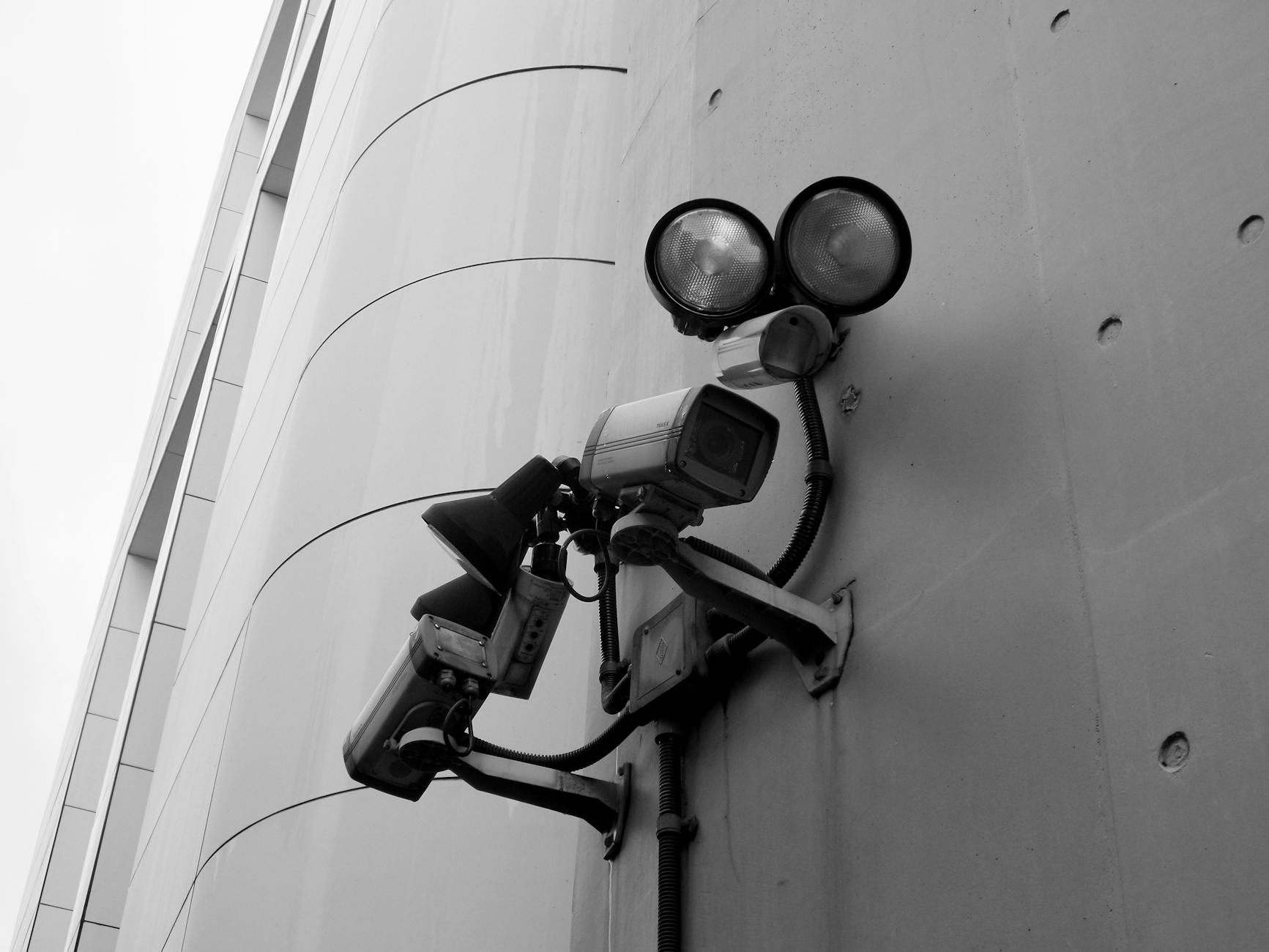
The U.S. Supreme Court is set to determine the constitutionality of 'geofencing,' a surveillance technique used by police to identify individuals within a specific digital perimeter.
According to a report by NPR, the legal challenge stems from an investigation by Virginia police following a bank robbery in Midlothian. During the heist, a robber brandished a firearm and fled with $195,000.
To identify suspects, authorities utilized geofencing to tap into Google's databases. This method allows law enforcement to draw a virtual fence around a specific geographic area where a crime occurred.
Once the perimeter is established, police seek a warrant to compel tech companies to search their internal data. The goal is to identify any of the company's millions of users who were physically present within the geofence at the time of the crime.
Fourth Amendment scrutiny
The technique faces intense legal scrutiny regarding the Fourth Amendment, which prohibits unreasonable searches of people, homes, papers, and effects without a warrant issued by a neutral magistrate.
Legal experts and the court must decide if the search is sufficiently targeted toward specific evidence of a crime. The current practice involves broad sweeps of user data rather than searching a specific physical location.
NPR reports that the Supreme Court must now decide whether geofencing is an ingenious investigative tool, an Orwellian intrusion, or both.