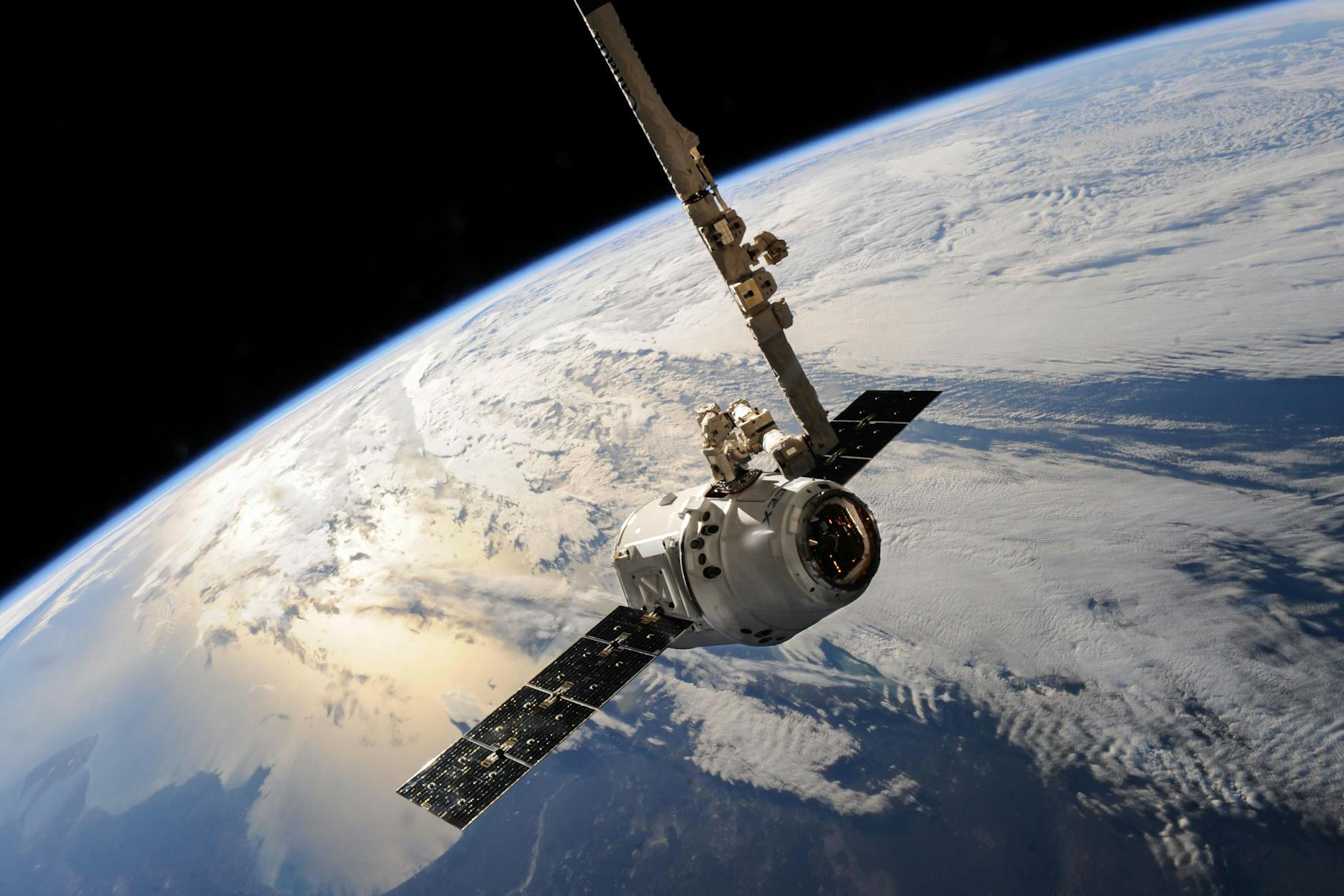
SpaceX Starlink satellite 34343 malfunctioned on March 31, creating debris at 560 km altitude. The incident occurred shortly after the company reached its 10,000-satellite milestone. Operators confirmed no immediate threat to the International Space Station or Artemis missions. Regulatory bodies will likely examine the event closely given the growing size of the constellation. This event marks a significant technical challenge for the rapidly expanding low-Earth orbit environment.
Key Details
LeoLabs classified the event as a fragment creation caused by an internal energetic source. They noted the satellite likely suffered a propulsion system failure or battery issue rather than a collision. This conclusion stems from the debris pattern and lack of impact marks on surrounding objects. The company has not disclosed specific technical failures to the public yet.
"Our analysis indicates this event is similar to a previous event involving Starlink 35956 on 17 December 2025," LeoLabs reported. The firm added that these incidents illustrate the need for rapid characterization to ensure clarity of the operating environment. This statement links the current anomaly to a known pattern of technical failures in the constellation. It also suggests internal components are more likely the culprit than external impacts.
The debris cloud remains at a relatively low orbit where atmospheric drag will hasten re-entry. Analysts predict the fragments will burn up within the next few weeks due to air resistance. This natural clearance reduces long-term collision risks compared to higher altitude incidents. The rapid decay minimizes the burden on collision avoidance systems for other active satellites.
SpaceX stated on X that keeping Earth orbit safe remains a top priority for the organization. The company acknowledged the loss of communications and confirmed active efforts to determine the root cause. They promised to implement corrective actions rapidly once the investigation concludes. This response aims to reassure investors and customers about the reliability of the service.
What This Means
This marks the second such incident for Starlink within a single year of operations. Satellite 35956 experienced a similar anomaly in December 2025 involving a vented propulsion tank. Both events highlight potential risks associated with rapid constellation expansion and increased launch frequency. The recurrence raises questions about quality control in high-volume manufacturing pipelines.
Scientists have recently proposed the CRASH Clock to measure collision risks if avoidance maneuvers cease. The metric serves as a key environmental indicator for space safety monitoring. Increased frequency of anomalies could accelerate adoption of such tracking tools. This proactive approach helps manage the growing complexity of the orbital traffic system.
Orbital crowding continues to grow as thousands of satellites share the same low-Earth environment. Operators must balance connectivity goals with debris mitigation strategies effectively. Regulatory bodies may scrutinize these incidents more closely in future licensing reviews. The balance between innovation and safety remains a critical factor for industry growth.
The latest launch of 29 satellites on March 30 proceeded without reported interruption. This suggests the anomaly is isolated to a specific unit rather than a systemic design flaw. Production lines continue to deliver hardware despite the growing scrutiny. Continued success in upcoming missions depends on maintaining current operational standards.
Experts recommend rapid characterization of anomalous events to clarify the operating environment. Transparency regarding the incident helps maintain public trust in commercial spaceflight. Continued monitoring will determine if similar failures recur in upcoming launches. Future launches will face increased attention from space safety advocates and industry regulators.