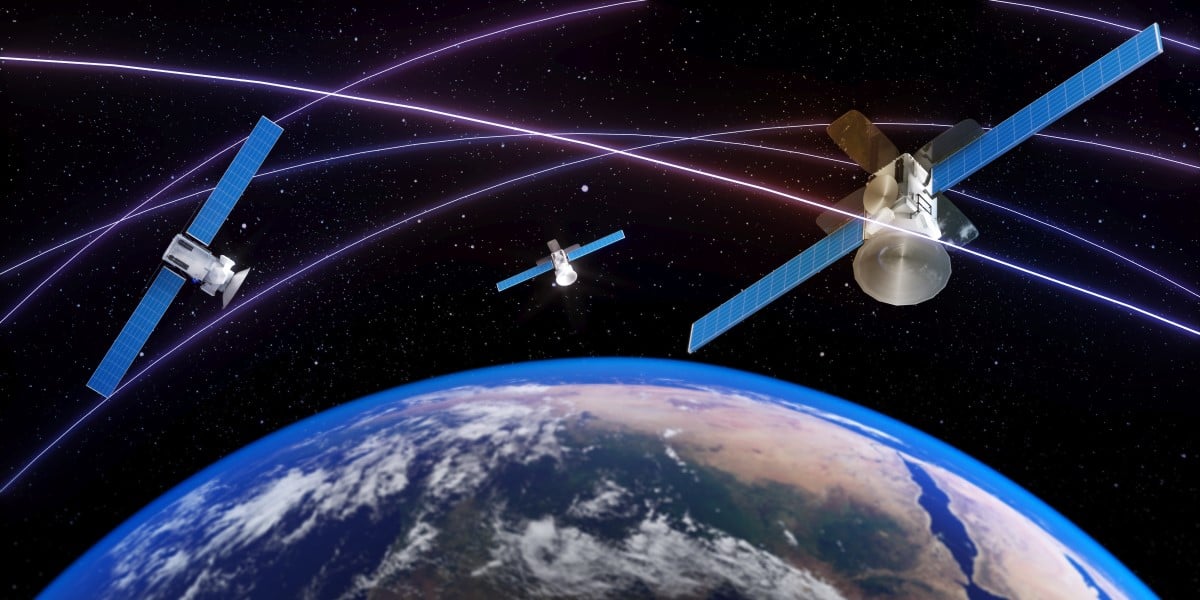
SpaceX has escalated its regulatory dispute with Amazon regarding orbital datacenters by submitting a letter to the Federal Communications Commission. The aerospace firm argued that regulators should treat its proposal identically to Blue Origin's competing application. This move follows an earlier objection filed by the tech giant against SpaceX's plans to launch one million satellites into low Earth orbit. The dispute highlights growing tensions as major corporations seek dominance in space-based computing infrastructure.
SpaceX senior satellite policy manager Cecilia Tenge-Rietberg addressed the conflict in a formal communication delivered to the agency on Friday. The letter notes that Blue Origin submitted an application to launch up to 51,600 data processing satellites into low Earth orbit. Blue Origin remains a subsidiary of Amazon and is owned by billionaire Jeff Bezos. Tenge-Rietberg argues that the commission should apply the same treatment to both applications based on the similarity of the filings.
Amazon had previously criticized the SpaceX application as incomplete, speculative, and unrealistic in its own filing to the regulator. The tech company argued that the Musk-led firm provided only the barest outline of how it expects to deliver on its grandiose plans. Blue Origin's letter described the SpaceX application as describing a lofty ambition rather than a real plan. They dismissed the filing as a speculative placeholder rather than a complete application under the Commission's rules.
Now SpaceX has turned the tables on Amazon by submitting the rival's own petition to deny the orbital server farm application to the US telecoms regulator. The company requests the Commission assess the same substantive and procedural arguments with respect to Blue Origin's application. This strategic counterstrike places the Federal Communications Commission in a position where it must weigh two competing space-based data center proposals. Both entities aim to utilize low Earth orbit for significant data processing capabilities rather than simple communication relay.
Gartner recently branded talk of placing datacenters in space as peak insanity in a recent industry analysis report. The research firm stated that companies are wasting money on this fad due to the prohibitive costs of getting anything resembling a server farm into orbit. They cited immense technical challenges of operating them there as a primary reason for skepticism among traditional cloud providers. This critique underscores the difficulty of moving standard computing infrastructure into a hostile orbital environment.
Elsewhere, Musk is moving ahead with plans for what will fill those spaceborne data processing facilities with necessary hardware. Over the weekend, his firms Tesla, SpaceX, and xAI revealed plans for a chip fabrication outfit called Terafab. The intention involves producing enough silicon each year to consume one terawatt of energy for manufacturing operations. This massive energy requirement exceeds the current capacity of many national power grids and industrial zones.
The proposed output aims to produce more chips than the world's chipmakers currently produce every year in a single facility. The billionaire boasted that his companies have developed a recursive process that allows rapid chip production involving new physics. This specific claim suggests a technological breakthrough that could fundamentally alter semiconductor supply chain dynamics globally. However, the announcement did not explain how Musk will find the resources to make any of this happen according to initial reports.
The orbital datacenter concept faces scrutiny regarding the physical limitations of launching and maintaining servers in space. Launch costs remain high while the radiation environment poses risks to sensitive electronic components and data integrity. Regulatory bodies like the Federal Communications Commission must balance innovation with orbital debris concerns and spectrum management. Future approvals will likely hinge on proven technical viability and environmental safety assessments before deployment begins.
SpaceX wants to fill Earth orbit with one million datacenter satellites according to its recent application filings. Starlink satellite failures have recently been linked to polluting orbit with debris and falling toward Earth in previous incidents. This history adds weight to concerns about adding another layer of complexity to the crowded orbital environment. The FCC will need to evaluate whether these new systems pose a threat to existing satellite constellations.
Broader implications for the tech industry include a potential shift in where data residency and processing power are located geographically. If successful, this technology could reduce latency for global users but increase the carbon footprint of space manufacturing. Investors and regulators will watch closely to see if the Terafab announcement transitions from concept to physical reality. The outcome of this regulatory dispute may set a precedent for future space-based infrastructure development.