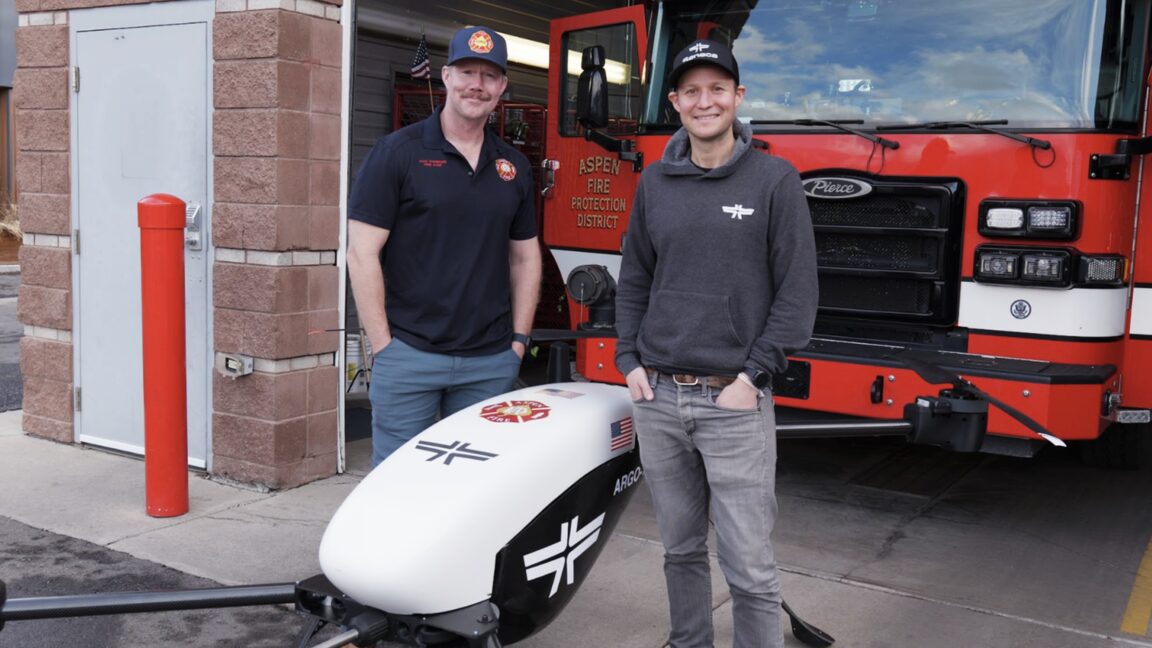
A Bay Area startup known as Seneca has secured its inaugural client agreement with the Aspen Fire Protection District in Colorado to deploy advanced hardware. Ars Technica reported the company plans to deploy a fleet of five autonomous drones to the ski town starting this summer as part of a strategic safety initiative. This initiative marks the first time an American wildfire agency will integrate this specific type of aircraft into its existing operational arsenal for public safety. The technology aims to suppress potential blazes before human crews can physically reach the ignition point in remote wilderness areas.
Each unit in the proposed strike team carries sufficient liquid payload to generate over 50 gallons of finished foam suppressant for fire control. This chemical solution effectively reduces the velocity at which a wildfire consumes available fuel within the immediate vicinity of the launch site. Engineers designed the aircraft specifically to intercept and extinguish small fires before they escalate into major incidents requiring ground intervention. The operational capability focuses on rapid response rather than sustained aerial combat against established infernos that are already out of control.
Jake Andersen, the chief of Aspen Fire, provided significant insight into the tactical advantages of the new autonomous system during an interview. He explained that while panoramic AI cameras detect fires rapidly, deploying personnel to remote locations often takes excessive time due to terrain. Andersen noted that hiking into fires located six to eight miles away can take hours depending on terrain conditions and weather factors. The range of each drone sits between three to five miles, which represents a significant improvement in response logistics for emergency services.
Seneca was established in 2024 and operates out of the San Francisco Bay Area as a dedicated hardware manufacturer for emergency response. The firm represents a growing category of firetech companies attempting to revolutionize wildfire prevention and extinguishment strategies globally. These organizations are responding to the increasing frequency and severity of forest fires across the United States and other continents. Their business model relies on scaling autonomous delivery systems for emergency services to meet rising demand from municipal agencies.
Climate data indicates that wildfires are becoming larger, more destructive, and more frequent on a national level as temperatures rise. According to the Colorado Division of Fire Prevention and Control, the average core wildfire season is now 78 days longer than in the 1970s. This shift means Colorado experiences large fires every month of the year rather than during a concentrated summer period of high risk. The extended danger window necessitates faster detection and reaction capabilities from local authorities to prevent catastrophic property loss.
Aspen becomes the pioneer American wildfire agency to add these unmanned aircraft to its existing defensive equipment list for public safety. The deployment serves as a real-world testbed for Seneca before expanding to other municipal fire districts across the country. Success in Aspen could validate the technology for broader adoption across the western United States where wildfire risk is highest. Other agencies are likely to monitor the performance metrics closely before committing to procurement contracts for similar hardware.
Andersen emphasized that road-side fires are manageable, but off-road incidents present a significant logistical challenge for ground crews to access quickly. The drone capability fills the gap between detection and physical arrival of human firefighters on the ground in difficult terrain. This early suppression resource allows crews to manage the fire while en route to the actual location to assess damage. It effectively buys critical time for the human response team to organize their attack strategy and ensure personnel safety.
The integration of these drones requires coordination with existing AI camera networks already installed in the region for detection. Sensors must trigger the launch sequence automatically to reduce latency between detection and payload delivery to the fire zone. Operators will likely remain on standby to override decisions if the situation demands human intervention for complex scenarios. This hybrid approach combines automated speed with human oversight for safety and accuracy during high-pressure emergency situations.
Financial analysts view the acquisition of the first customer as a critical milestone for Seneca in a competitive startup environment. Validation from a prestigious district like Aspen provides credibility for future fundraising and expansion efforts to scale operations. The company must demonstrate reliability and cost-effectiveness to convince other jurisdictions to invest in similar hardware for their communities. Funding cycles for firetech startups often depend on proving operational viability in high-risk areas to secure investor confidence.
The summer deployment will serve as the primary performance benchmark for Seneca before considering wider market expansion into other regions. Observers will track whether the drones can consistently reach targets within the specified range under various weather conditions and wind speeds. The outcome of this trial could influence federal grants and state-level policies regarding autonomous emergency response technologies. Continued innovation in this sector remains essential as climate challenges intensify across the globe and require new solutions.