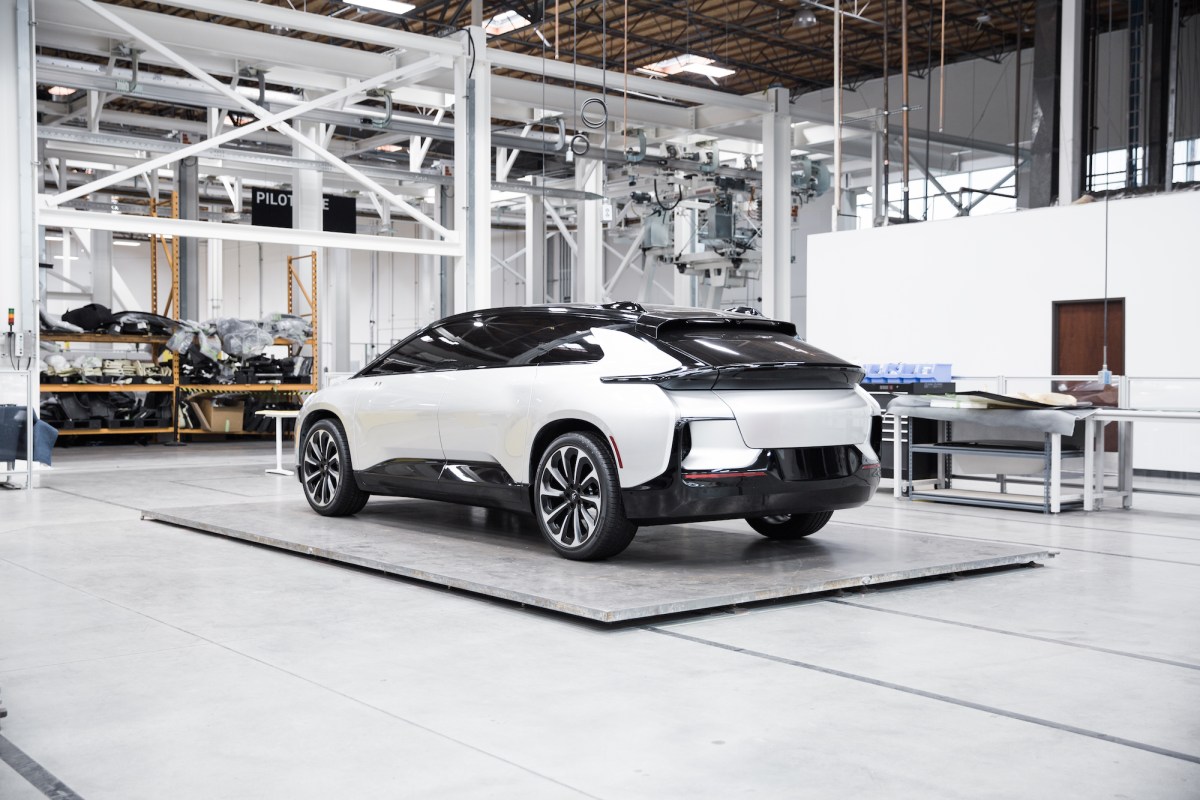
The Securities and Exchange Commission has officially closed its four-year-long investigation into electric vehicle startup Faraday Future, according to multiple sources familiar with the matter. TechCrunch reported this week that the regulator informed the company and involved parties that no enforcement action would be taken against the business. This decision comes despite SEC staff recommending charges against the startup last year during the inquiry process, marking a significant development for the California-based firm. The announcement surprised many legal observers given the intensity of the probe.
Four anonymous sources told TechCrunch that the closure decision was communicated to Faraday Future executives and legal representatives this past week. The case involved inquiries into whether the company made false and misleading statements during its 2021 merger with a special purpose acquisition company. Investigators also examined allegations regarding fake vehicle sales in 2023 raised by at least three former whistleblowers regarding the FF91 SUV deliveries. These claims have been central to the regulatory scrutiny for nearly half a decade.
Regulatory filings show the SEC sent the startup multiple subpoenas and took depositions of former employees throughout 2024 and 2025. In July 2025, Faraday Future revealed that the SEC had issued Wells Notices, signaling a preliminary determination to recommend enforcement. Such notices typically indicate that legal action is imminent, yet the agency decided otherwise in this specific instance, which contradicts historical norms. This reversal suggests a shift in how the agency prioritizes enforcement resources.
Jia Yueting, the company founder, released a statement on Sunday emphasizing the operational impact of the long-running investigation on the team. He stated that the firm can now redirect energy toward strategy execution after spending years cooperating with federal regulators. The company confirmed that the SEC would not take action against any specific executives involved in the probe, including Jia and his nephew Jerry Wang. This relief allows management to focus on immediate product delivery targets.
Legal experts note that it is rare for the SEC to dismiss a case after sending a Wells Notice to the target company and its leadership. A 2020 study from the Wharton School indicated that approximately 85 percent of targets receiving such notices end up in court eventually. This outcome marks a significant departure from standard enforcement patterns observed in similar securities cases over the last decade involving public companies. Such dismissals are statistically uncommon in the history of securities enforcement.
The decision occurs amid a historic drop in SEC enforcement actions against publicly traded companies during the 2025 fiscal year. Recent reports show the regulator initiated only four cases against such entities during this specific period of reduced regulatory activity. Faraday Future joins other EV startups like Lucid Motors and Fisker, which also saw investigations end without settlements or fines imposed by the agency. This trend reflects a broader pause in aggressive regulatory pursuit of the sector.
Faraday Future faces ongoing financial challenges despite the regulatory relief from the government agency and potential legal liabilities. The company recently received a warning from Nasdaq that its stock price remains below the minimum requirement of 1 dollar per share. This compliance issue could eventually lead to the firm being delisted from the exchange if the market price does not recover within the allotted timeframe. Shareholders have been concerned about the company's ability to remain a going concern.
To address these struggles, the startup has diversified its business model significantly beyond electric vehicles manufacturing and sales. Reports indicate the company is importing affordable hybrid and electric vans from China to generate immediate revenue streams. It has also begun selling re-badged versions of Chinese robots and pivoted a biotechnology acquisition toward crypto focus to attract new investors. These moves aim to stabilize cash flow while waiting for the main vehicle line to scale.
The investigation originated from board concerns regarding founder Jia Yueting's control over day-to-day operations during the 2021 public listing. A special committee formed by public board members hired forensic firms to review related party transactions and executive disclosures made to shareholders. Internal conflicts escalated to the point where directors resigned amid threats before Jia regained control of the board and company operations. The board also found evidence of loans from low-level employees with connections to Jia.
Industry observers will watch how this closure affects investor confidence in other EV startups navigating similar regulatory landscapes and financial pressures. The lack of enforcement sets a precedent for companies facing allegations of misleading public disclosures during SPAC mergers in the current market. Future regulatory trends will likely depend on how the SEC handles these evolving market dynamics moving forward in the coming quarters. Market stability remains a key concern for regulators monitoring the EV sector.