Electric vehicle manufacturer Rivian admitted in a regulatory filing on Thursday that it will not meet its 2027 profitability target. The company disclosed the shift in strategy to shareholders while detailing a new partnership with Uber for autonomous driving capabilities. This decision marks a significant pivot as management prioritizes technological development over immediate financial stability.
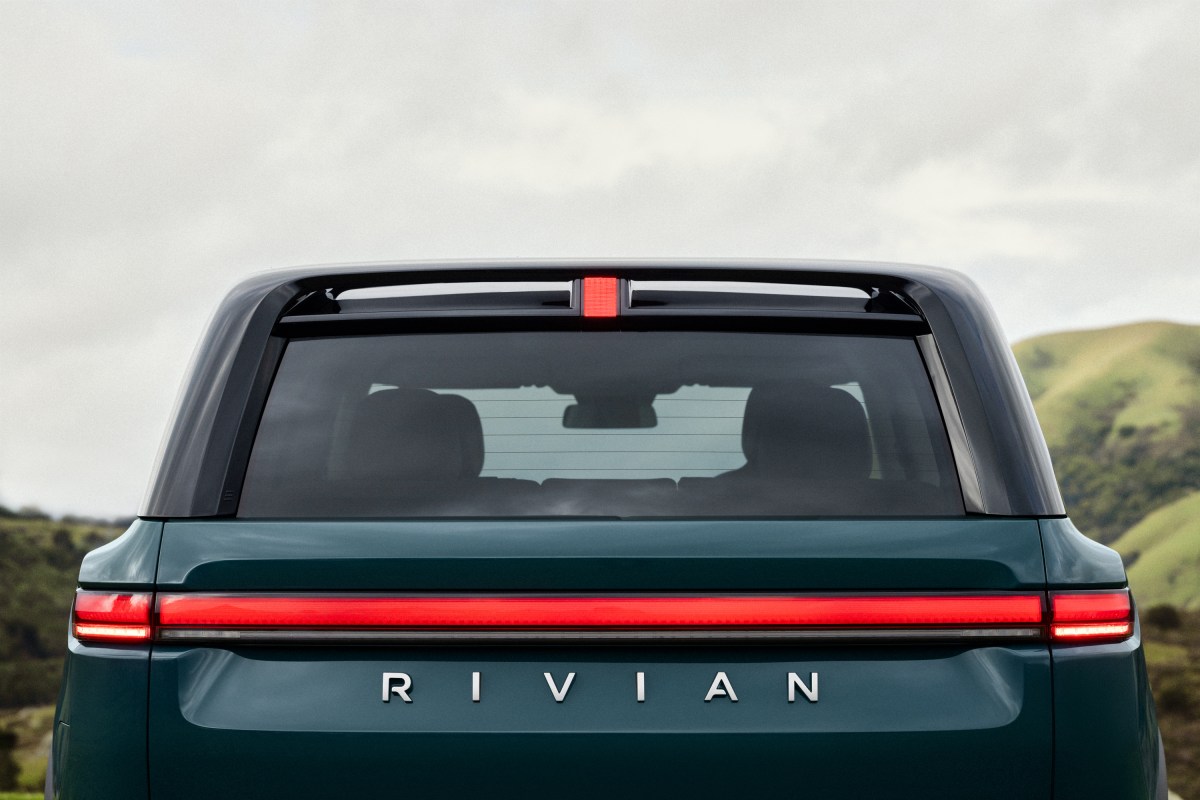
Specifically, Rivian stated it does not expect to achieve positive earnings before interest, taxes, depreciation, and amortization by next year. The delay stems from rising research and development costs associated with accelerating self-driving technology initiatives. The admission appeared within a filing that primarily outlined the collaboration to build robotaxi versions of the upcoming R2 SUV.
Financial data shows a notable increase in capital allocation toward innovation. The company reported spending 1.7 billion dollars on research and development in 2025, an increase from 1.6 billion dollars in the previous year. Management attributed this jump to higher engineering, design, and software expenses required to support the R2 launch and AI projects.
Founder and CEO RJ Scaringe emphasized the strategic importance of this investment. Scaringe stated that Rivian is currently spending more on research and development for autonomy than on any other function. This commitment suggests a long-term vision where software capabilities drive future valuation more than hardware sales alone.
External economic pressures have also complicated the path to profitability. The company noted that the discontinuation of federal EV tax credits and diminished regulatory credit sales have impacted the bottom line. Additionally, costs have risen due to tariffs implemented by the Trump administration, further straining the budget during this critical growth phase.
Market analysts remain cautious regarding the revised timeline. Joseph Spak from UBS wrote in February that he did not expect the company to reach positive EBITDA for a number of years. This sentiment reflects broader skepticism about the capital intensity required to compete in the autonomous vehicle sector.
Despite these challenges, the company secured a major partnership to support its expansion. Uber agreed to invest up to 1.25 billion dollars in Rivian, with the potential to purchase 50,000 R2 SUVs for its network. The deal begins with an initial investment of 300 million dollars and an order for 10,000 vehicles, with much of the agreement backloaded toward 2030.
Technological ambitions include developing a large driving model and custom hardware. Rivian plans to launch eyes-off, hands-off driving features next year as part of its broader autonomy roadmap. The ultimate goal involves achieving personal Level 4 driving, which allows vehicles to operate without human intervention in specific areas.
Operational scaling continues alongside software development. The company plans to break ground on a new factory in Georgia this year to support future production needs. Rivian is also months away from beginning mass production of the R2, which remains a central component of its financial recovery strategy.
This strategic shift highlights the intense competition within the electric vehicle market. As rivals like Tesla and Waymo advance, Rivian must balance cash burn with technological parity to remain viable. Investors will closely watch whether the autonomy push yields the expected returns before the company exhausts its current capital reserves.