Dave Plummer, a retired Microsoft engineer, has initiated a significant project to train an artificial intelligence to master Robotron: 2084. The former creator of Task Manager aims to push the boundaries of machine learning within a notoriously difficult arcade environment. This effort follows his previous success in teaching an AI to dominate the classic game Tempest, which he completed recently. The project aims to solve complex decision trees in chaotic systems.
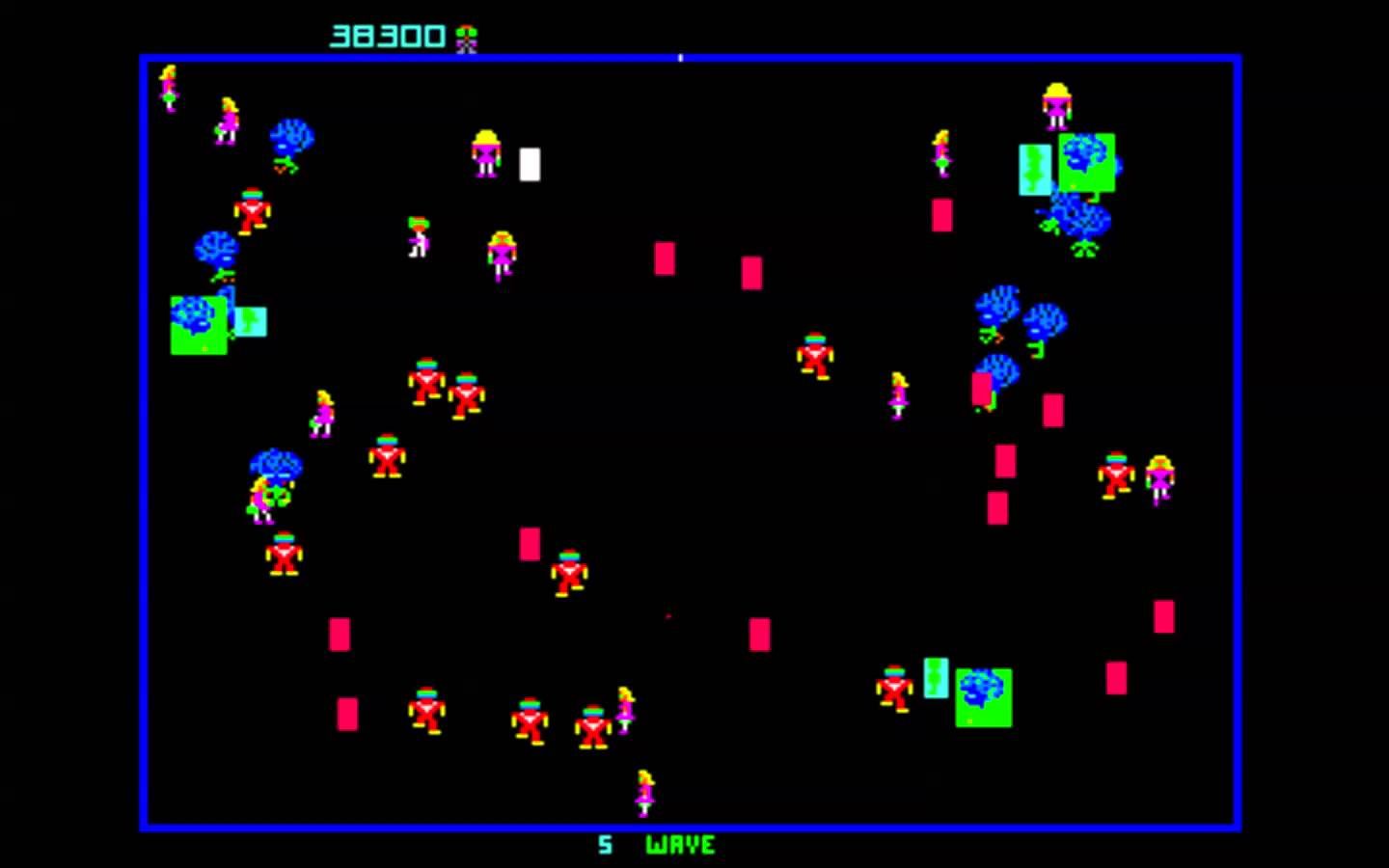
Released in 1982, Robotron: 2084 remains one of the most challenging arcade titles ever created by the video game industry. Players control a mutant saving humanity from a robot uprising while managing dozens of enemies simultaneously on screen. The game demands split-second decisions and constant movement to avoid instant death for both the player and civilians.
Plummer noted that Tempest offered more guardrails compared to the chaos found in Robotron during his earlier experiments with neural networks. He described the previous project as teaching a robot to fence beautifully within a controlled environment with predictable paths. In contrast, he views this new challenge as teaching a machine to box its way out of a New Orleans riot.
Eugene Jarvis, co-creator of the game, commented on the difficulty through a direct email exchange regarding the ongoing project. Jarvis stated that the game forces humans to do dumb things in two dimensions due to finite resources and high pressure. He highlighted how the title weaponizes human limitations under intense stress conditions to test reflexes.
The project serves as a rigorous stress test for real-time decision-making systems in modern computing architecture. Plummer believes the game reveals design decisions regarding CPU cycles and joystick ergonomics from the early 1980s. These elements remain relevant when analyzing live systems with measurable behavior in current software development. The codebase offers a unique window into legacy programming constraints.
A live training dashboard allows observers to watch the AI play alongside performance graphs in real time on the web. This transparency provides insight into how the model learns tactical decisions versus reflex actions during intense gameplay. The dashboard shows the AI attempting to save humans while avoiding robotrons constantly without panic. Data from the session is available for public review.
Unlike previous attempts, this project focuses on triage under uncertainty rather than pure dodging mechanics alone. The AI must understand what is worth dodging toward in a chaotic environment filled with immediate threats. This requires a level of statistical analysis beyond simple pattern recognition or basic algorithmic rules. It prioritizes resource allocation over pure survival.
The initiative highlights the intersection of retro gaming and modern artificial intelligence research capabilities effectively. Plummer treats the game as a laboratory rather than a museum piece for historical preservation of software. This approach allows old code to reveal new insights about system behavior and processing limits today. It bridges the gap between past and future technology.
Success in this project could influence how developers approach complex decision-making algorithms in future software releases. It demonstrates the potential for using legacy software to test modern machine learning capabilities effectively. The ongoing nature of the work suggests further updates will follow as the model improves over time. Expectations for the outcome remain high.
Observers will watch to see if the AI can achieve a high enough score to demonstrate true mastery eventually. The project continues to evolve as the model processes more gameplay data from the arcade cabinet source code. This work underscores the enduring complexity of well-designed arcade mechanics from decades ago. The results will be closely monitored by the tech community.