Nvidia's annual expenditure on warranty claims skyrocketed by 1003% in 2025 compared to the previous year, according to a report published by PC Gamer. The total cost for these claims climbed to nearly $900 million over the course of the year.
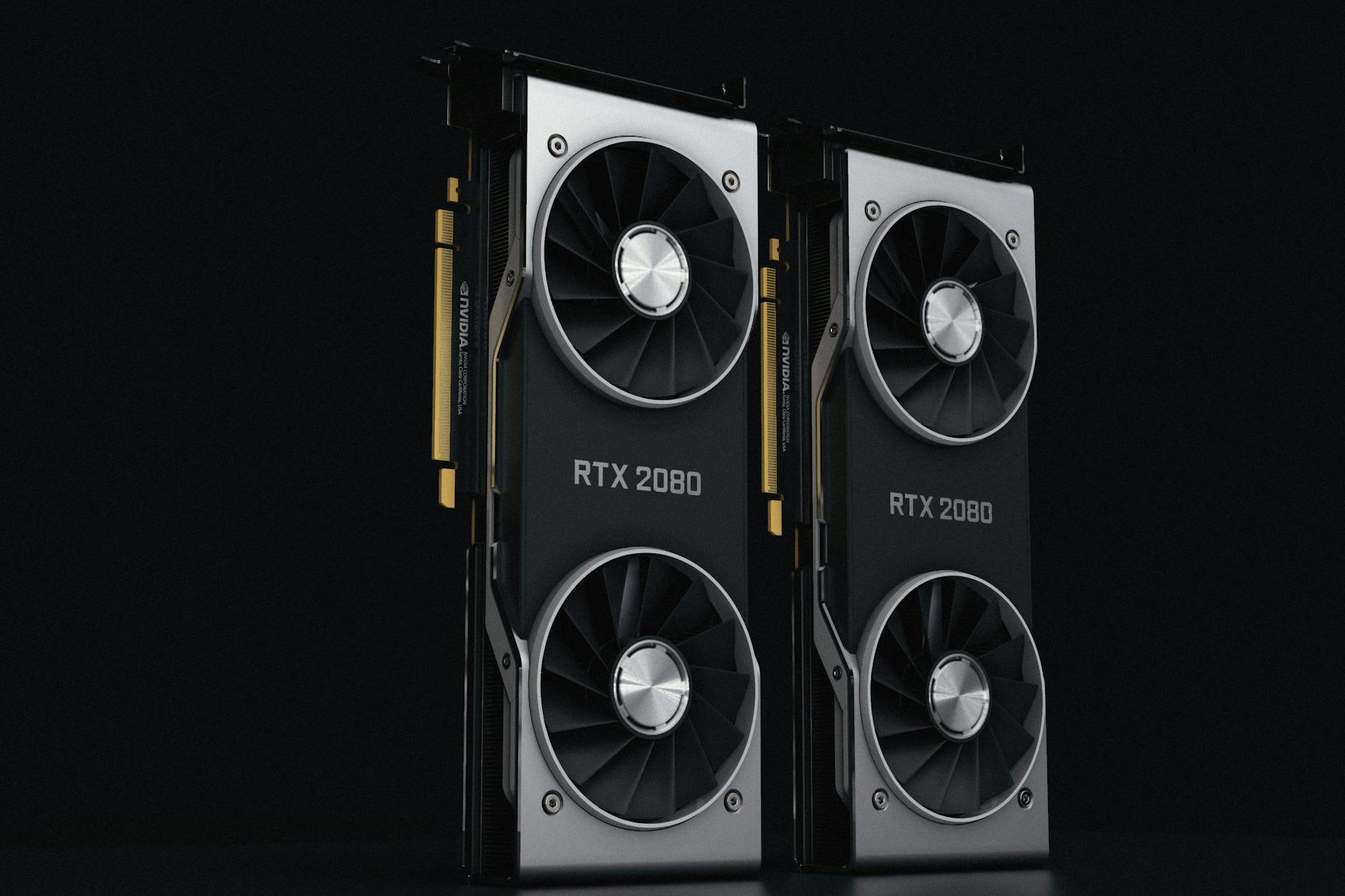
This massive spike in hardware replacement costs arrives as the company's latest mid-range hardware faces scrutiny over memory limitations. While the RTX 5060 Ti 8 GB offers competitive performance at 1080p and 1440p, its 8 GB of VRAM creates significant bottlenecks in high-fidelity gaming.
PC Gamer's testing of a Palit GeForce RTX 5060 Ti Dual 8 GB sample revealed that the card's performance drops in specific scenarios. The reviewer noted that while the card beats the $350 AMD Radeon RX 9060 XT 8 GB on average, the VRAM constraint is a visible weakness. "In certain games with the settings turned up, the 8 GB cards often fall behind their 16 GB equivalents, sometimes by a considerable amount," PC Gamer reported.
Hardware pricing and memory constraints
Recent shifts in the global supply chain have complicated the hardware market. A RAM crisis has driven up the cost of memory modules, which in turn has increased the price of graphics cards. PC Gamer observed that despite an MSRP of $380, consumers are often paying significantly more than that at the checkout, noting that 2026 has been a difficult year for PC gaming hardware pricing overall.
The 8 GB variant of the RTX 5060 Ti remains a viable option for budget-conscious users, provided they avoid 4K resolutions or maximum graphical settings. The card utilizes GDDR7 VRAM and features 4,608 CUDA cores, but it struggles with heavyweight open-world titles that demand higher memory capacity.
For users prioritizing stability, the 16 GB version of the RTX 5060 Ti remains the superior choice, despite the higher price tag. The 8 GB model is best suited for gamers who can maintain reasonable resolutions and settings to prevent the VRAM from reaching its limit.